

The cultivation of cannabis and marijuana, ancient practices that have adapted and evolved over the years, faces countless challenges. One of the most significant is the fight against pests and diseases of marijuana, being the fusarium fungus one of the most feared enemies. This pathogen, known for its ability to devastate entire crops, represents a considerable challenge for growers, both newbies and experts.
The fusarium, a soil fungus, attacks the roots and the vascular system of plants, preventing nutrients and water from absorbing properly. This situation can lead to a quick and often irreversible wilting, seriously affecting the health and performance of cannabis and marijuana plants. The effective management of this pathogen is crucial not only to guarantee the viability of the crop, but also to ensure the quality and safety of the final product.
To eliminate the fusarium fungus it is recommended to remove and destroy infected plants and completely clean the culture area. In addition, you can apply specific fungicides to combat the fungus. It is important to maintain optimal cultivation conditions, such as adequate ventilation and avoid excess moisture, to prevent future infections.
What is the fusarium fungus?
The Fusarium is a genre of fungi that inhabits the ground and that can cause serious diseases in a wide variety of plants, including cannabis and marijuana. This pathogen is characterized by its remarkable resistance and its ability to survive in adverse conditions, which makes it a particularly formidable challenge for growers.
Physiologically, the fusarium marijuana penetrates plants through the roots, colonizing the vascular system. Once established, it obstructs the transport of water and nutrients, which leads to symptoms such as wilting, chlorosis (green color loss), and, in severe cases, the death of the plant. This fungus is especially dangerous because it can remain on the ground for long periods, even in the absence of host plants, which hinders its complete eradication.
In cannabis and marijuana plants, the impact of the fusarium goes beyond physical deterioration. It affects the production of cannabinoids and terpenes, key components that determine the quality and medicinal or recreational properties of the plant. In addition, Fusarium infection can cause plants to be more susceptible to other environmental pathogens and stressors, further compromising the health and crop performance.
The early recognition of Fusarium infection is vital, since late interventions are rarely effective. Cultivators must be attentive to the first signs and take immediate measures to control their spread.
Fusarium fungus identification in cannabis and marijuana
The first step to effectively combat fusarium cannabis is its correct identification. This fungus can be easily confused with other nutritional diseases or deficiencies in cannabis and marijuana cultivation. However, there are certain characteristic symptoms and signs that help their identification.
Symptoms and signs of the Fusarium in cannabis plants
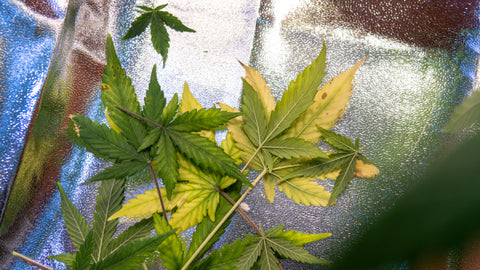
- Unilateral wilting: One of the first signs is the witness of a part of the plant, while the rest seems healthy. This symptom is due to the obstruction of the vascular system that prevents the proper flow of water and nutrients.
- Discoloration of stems and roots: The affected stems and roots can show a brown or reddish discoloration. This is a sign that the fungus has invaded and is damaging vascular tissue.
- Yellow or pale leaves: The leaves can begin to yellow or pale, especially near the base of the plant, indicating a nutrient deficiency caused by the infection.
- Drying and death of branches: As the disease progresses, the affected branches can dry and die. This is an advanced sign of infection and generally indicates a serious problem.
Differentiation with others Pests and diseases of marijuana
Distinguishing fusarium from other common diseases in cannabis and marijuana is crucial for effective treatment. For example, the jelly by Fusarium is often confused with the wilting caused by overriege or nutritional deficiencies. However, fusarium wilting is usually unilateral and accompanied by discoloration in stems and roots, while overriego affects the entire plant more uniform.
Another common disease is the rot of the root caused by excess moisture or bad aeration of the substrate. Although both problems affect the roots, the rot of the root usually has a softer and smarter appearance in the roots, unlike the firm discoloration that characterizes the Fusarium.
The detailed knowledge of these symptoms and their differentiation of other common diseases is essential for cannabis and marijuana growers. A precise identification allows appropriate and adequate measures to control the infection and minimize its impact on the crop.
Fusarium fungus prevention methods
Preventing the appearance of the fusarium in the cultivation of cannabis and marijuana is much more effective than trying to eradicate the fungus once established. Appropriate cultural practices and attention to hygiene and environmental conditions are fundamental to keep this pathogen at bay.
Cultural practices to prevent fusarium
- Crop rotation: Changing the plants that are grown in the same area can help reduce the accumulation of pathogens in the soil, including the fusarium.
- Selection of resistant varieties: Some varieties of cannabis and marijuana are more resistant to fusarium than others. Choosing these varieties can significantly decrease the risk of infection.
- Irrigation control: Avoiding excess moisture is crucial. Excessive irrigation can create ideal conditions for the development of the Fusarium. Use irrigation systems that minimize soil moisture and allow a good aeration of the roots.
- Soil management: Maintaining a well drained and aerated soil is essential. Soil compaction should be avoided, since it can lead to drainage problems and increase the risk of infection.
From Grow Industry We recommend using Plagron Supermix which is an enriching of substrates that combines beneficial fungi and bacteria, earthworm and Peruvian guano. It is designed to improve nutrient absorption and protect roots against pathogens such as fusarium fungus. This product increases the resistance of plants, favoring healthy development.

Importance of adequate hygiene and conditions
- Cleaning and disinfection of tools and equipment: The tools and equipment must be cleaned and disinfected regularly to avoid the introduction and spread of the Fusarium.
- Environmental Control in Interior Crops: In interior crops, it is crucial to maintain optimal environmental conditions. This includes temperature control, humidity and ventilation to avoid the creation of an environment conducive to the Fusarium.
- Regular plants inspection: Constant surveillance allows any sign of disease to detect early. The early detection and elimination of infected plants can prevent the spread of the fusarium into healthy plants.
- Use of sterile substrates: Using pathogen -free substrates is an important preventive measure, especially for interior or hydroponic systems.
Chemical treatments to combat fusarium fungus
Although organic and ecological methods are preferred by many, in certain circumstances, the use of chemical treatments may be necessary to control a severe Fusarium infection in cannabis and marijuana crops. However, it is crucial to use these products with caution and responsibility to minimize health and environmental risks.
When and how to use chemical treatments safely
- Severity evaluation: Chemical treatments should be considered only when organic methods have not been enough and infection is serious. A precise evaluation of the level of infection is essential before proceeding.
- Suitable fungicide selection: Not all fungicides are effective against the Fusarium. It is important to select products specifically designed to combat this fungus and follow the manufacturer's instructions to the letter.
- Careful application: The application must be made carefully, following dose and frequency recommendations. Overapplication or incorrect use can be harmful to plants and the environment.
Precautions and recommendations
- Personal Protection Equipment (EPP): When applying any chemical treatment, it is essential to use adequate EPP, such as gloves, protection glasses and masks, to avoid direct exposure.
- Application in adequate conditions: Avoid applying fungicides in wind or rain conditions, as this can reduce its effectiveness and increase the risk of contamination.
- Product rotation: To prevent the fusarium from developing resistance, it is advisable to rotate the fungicides used, alternating between different chemical classes.
- Consideration of harvest time: It is crucial to respect the waiting times before harvest after applying a chemical treatment, to ensure that the waste has decreased to safe levels.
- Monitoring of environmental effects and health: Be attentive to possible negative impacts on the environment and in people who interact with cultivation, adjusting the practices as necessary.
Organic and ecological treatment of the fusarium fungus
When it comes to fighting the fusarium fungus in cannabis and marijuana crops, many growers prefer to use organic and ecological methods. These approaches are not only environmentally friendly, but they are also safe for plants, consumers and surrounding ecosystems.
Organic methods to eliminate fusarium
- Beneficial plant extracts: Some plants produce natural compounds with fungicidal properties. Extracts such as Neem, garlic or horse tail can be effective against Fusarium. These extracts can be applied directly to plants or to the ground to help control and prevent infection.
- Biocontrollers: Using beneficial organisms such as certain types of fungi and bacteria can be effective to combat fusarium. These biocontrollers compete with the fungus for resources or attack directly to the pathogen, reducing their presence.
- Compost tea and effective microorganisms (EM): The application of compost or EM can help strengthen the root system of plants and improve soil health, making it less prone to fusarium infections.
- Healthy culture practices: Maintaining a rich soil in organic matter and with a good structure helps create a less favorable environment for the Fusarium. The use of organic fertilizers and the incorporation of composts are essential to maintain a healthy soil.
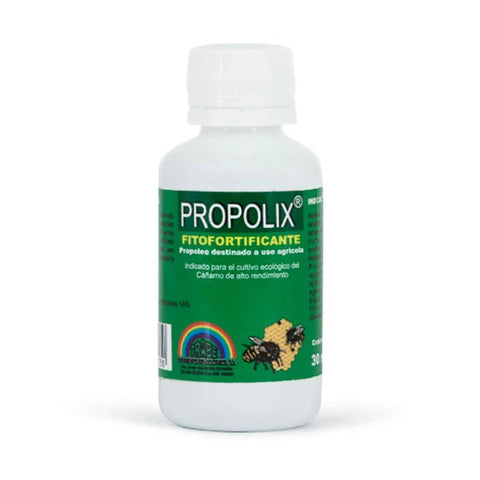
He Fungicide Propolix de Trabe Use propolis, a natural substance produced by bees, to protect plants against various types of fungi, including fusarium. It is a safe and effective product that is applied by diluting 2ml per liter of water and spraying the plants every 20 days as a preventive measure or every week to control infections. It is beneficial for its natural protection, infection control, ease of use and environmental safety.
Effective ecological techniques
- Soil solarization: This technique involves covering the soil with a transparent plastic canvas during the warmest seasons to increase soil temperature. This can help kill spores of the Fusarium and other pathogens.
- CULTURE OF COMPANY PLANTS: Some plants can act as natural repellent or improve the resistance of cannabis to diseases. Incorporating these plants in the crop can be an effective strategy to prevent the appearance of the Fusarium.
- Integrated pest management (MIP): MIP focuses on using a combination of ecological techniques to prevent diseases and pests. This includes constant monitoring, use of appropriate biocontrollers and cultural practices.
Post-Infection Management of Fusarium fungus
Once a cannabis or marijuana crop has been affected by the Cannabis Fusarium, it is crucial to take immediate measures not only to treat infected plants, but also to prevent the propagation of the fungus to other areas of the crop. Here I present a series of steps and recommendations to properly handle the situation after a Fusarium infection.
Steps to follow after a Fusarium infection
- Isolation and elimination of affected plants: Seriously infected plants must be isolated and eliminated from the crop to prevent the spread of the fungus. It is important to do it carefully so as not to disperse the spores of the Fusarium.
- Disinfection of the affected area: After removing infected plants, it is essential to disinfect the area, including the soil, tools, containers and any surface that has been in contact with sick plants.
- Evaluation and treatment of adjacent plants: Even if nearby plants do not show symptoms, they may have been exposed. A preventive treatment with organic or chemical methods, as necessary, can be prudent.
Recommendations to recover and protect affected plants
- Strengthening of plants immune system: Apply products that help strengthen the natural defenses of plants, such as composts or preparations based on beneficial microorganisms.
- Cultivation practices review: Make sure that cultivation conditions are optimal to avoid future infections. This includes reviewing irrigation, fertilization, ventilation and light.
- Continuous monitoring: After an infection, it is crucial to maintain constant monitoring to detect any relapse sign or new infections, allowing an early intervention.
- Registration and learning: Documenting the outbreak and the measures taken can be invaluable to prevent future problems. Analyze what happened and adjust cultivation practices accordingly.