

The caterpillar, a term that immediately evokes concern in any cannabis grower, refers to the larvae of several species of moths that feed on the precious flowers of the plant. These caterpillars are not only skillfully hidden among the buttocks, but also cause significant damage when feeding on them, compromising the quality and performance of the harvest.
In the world of marijuana, the presence of these pests can be particularly devastating. Not only do they decompose the internal structure of the buds, leaving them susceptible to fungal and bacterial diseases, but they can also ruin the aesthetic appearance and flower power. Therefore, identifying and efficiently control these caterpillars is a critical aspect for any cultivator, whether amateur or commercial.
Since the objective is to often obtain a production of the highest quality, especially when cannabis is cultivated for medicinal or high -end purposes, knowing how to kill caterpillars and preventing its appearance is essential.
Preventing caterpillars infestation in the buds implies maintaining adequate hygiene and using preventive techniques such as networks or traps. To eliminate them, you can apply organic pesticides such as Bacillus thuringiensis or resort to manual methods carefully withdrawing them.
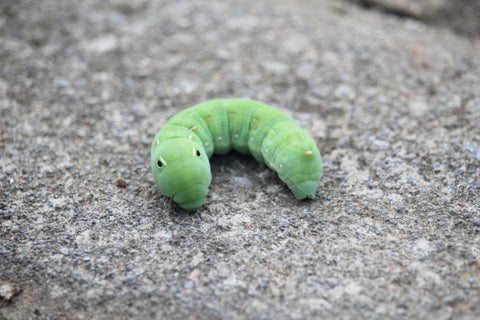
How to identify the caterpillar
The caterpillar, a silent enemy in cannabis cultivation, is the larva of various species of moths. These larvae vary in color, from green to brown, allowing them to camouflage themselves effectively between the leaves and flowers of the plant. Its life cycle begins when the adult moth deposits eggs in marijuana plants. Once hatched, small worms begin to feed voraciously from the leaves and, more crucially, of the plant's buds.
Over time, these caterpillars grow, through several larval stages before becoming chrysalis and, finally, in adult moths, ready to continue the cycle. This cycle can vary in duration depending on environmental conditions, being faster in warm and humid climates.
Infestation signals
Identifying an infestation of caterpillar of the bud in marijuana plants can be a challenge due to its camouflage capacity. However, there are several indicative signals:
- Physical damage: Cogollos can show signs of damage, such as chewed or hollow areas. You can also find small perforations in the leaves.
- Orouga droppings: Small black or green points, known as caterpillar excrements, can appear on the leaves and around the buttles.
- Silk presence: The caterpillars often leave a fine silk network in the buttocks and leaves, similar to the cobwebs.
- Decay of the bud: Cogollos that become brown and break down prematurely can be a sign of severe infestation, often accompanied by mold or fungi due to internal damage and humidity trapped.
How to prevent the appearance of the caterpillar of the bud
Prevention is key in the management of the caterpillar in cannabis crops. Implementing adequate cultivation practices and environmental and physical control methods can make a difference in keeping these pests at bay.
Cultivation practices to prevent the appearance of marijuana caterpillar
- Selection of resistant varieties: Some cannabis varieties are more resistant to pests. Opting these varieties can reduce the probability of infestations.
- Crop rotation: Alternate plants in your culture space. This can prevent the accumulation of specific pests and diseases of cannabis.
- Hygiene maintenance in the cultivation area: Keeping the area clean and free of plants can reduce places where moths can deposit their eggs.
- Regular monitoring: Inspecting plants regularly to detect early infestation signs can allow early intervention before the situation gets worse.
Environmental and physical control methods
- Physical barriers: Using fine meshes or crop covers can prevent moths from putting eggs on plants.
- Lighting control: Ultraviolet lights can attract moths. Consider limiting the exposure of your plants to this type of light during the night.
- CULTURE ENVIRONMENT MANAGEMENTO: Maintaining a balanced environment in terms of humidity and temperature is crucial. A too humid environment can favor the development of pests and diseases.
- Attractive and traps: Specific feromones traps can be used to attract and capture adult moths before they have the opportunity to reproduce.
- Use of companion plants: Cultivating plants that naturally repel the moths or attract their natural predators can be an effective strategy. For example, plants such as tagete or basil can repel certain pests, while others, such as lavender, can attract beneficial insects that feed on caterpillars.
Chemical treatments against the caterpillar
Although organic and ecological methods are preferred for the control of the caterpillar in cannabis plants, in certain serious situations the use of chemical treatments can be considered. However, it is crucial to use them with caution, especially in plants destined for human consumption.
When and how to use chemical treatments safely
- Infestation evaluation: The use of chemical treatments should be considered only when organic and physical methods have failed and infestation is severe.
- Selection of the right product: Opt for chemical insecticides that are approved for use in cannabis plants and that are as harmful as possible for human health and the environment.
- Correct application: Strictly follow product instructions. This includes adequate dilution, application time and safety precautions. It is preferable to apply these treatments during the early phases of the plant's life cycle and avoid its use near flowering.
- Personal protection: Use adequate protection equipment, such as gloves and masks, to avoid exposure to harmful chemicals during application.
- Security interval: Respect the security interval, which is the time between the last application and the harvest. This ensures that chemical products are degraded to safe levels before harvesting.
Insecticide Decis Protech Bayer To fight the caterpillar
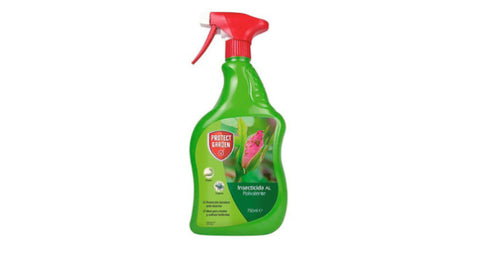
Decis Protech of Bayer is a versatile insecticide based on deltamethrine, designed to offer a rapid shock effect against various pests, with a short 7 -day security period. It is effective against caterpillars, aphids, white fly, geranium butterfly, and trips. Decis Protech characteristics:
- Active base: Deltamethrin.
- Effectiveness: Acts against caterpillars, aphids, white fly, geranium butterfly, and trips.
- Recommended dose: 0.5 to 1 ml per liter of water.
- Application frequency: Weekly until the plague is eliminated.
- Security period: 7 days.
- Use: Suitable for interior and exterior crops.
- Harvest caution: Cessation of use 21 days before harvest.
Organic and ecological treatments to combat the caterpillar
When it comes to fighting the caterpillar in cannabis plants, organic and ecological treatments are preferable, especially if the final product is intended for consumption. These methods are not only safe for plants and the environment, but also maintain the integrity of cannabis.
Use of natural and organic insecticides
- Bacillus thuringiensis (BT): It is a bacterium that produces a lethal toxin for caterpillars but safe for humans and the plant. It applies as a foliar spray and is effective against caterpillars in its early stages of development.
- Essential oils: Some oils, such as Neem's, eucalyptus oil and rosemary oil, can be effective in the deterrent and elimination of marijuana caterpillar. These oils must be properly diluted and applied directly to plants.
- Insecticide soap: An insecticide soap solution can be effective in killing caterpillars. It is important to use a soap designed for use in plants to avoid damaging them.
- Garlic and Chile Excerpts: These can act as natural repellents, deterring the moths from putting eggs in the plants.
NATURAL CARICIDE INSECTICID SOLABIOL To fight the caterpillar
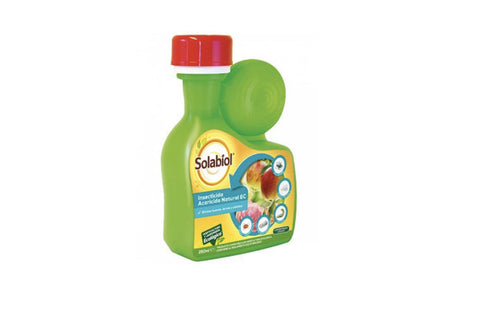
Solabiol insecticide is a natural product based on pyrethrins, intended to fight pests such as red spider, whitefly, caterpillars, and aphids. It is suitable for use both indoors and exterior. Solabiol insecticide is characterized by:
- Active component: Natural pyrethrins.
- Objective pests: Red spider, white fly, caterpillars, and aphids.
- Mode of use: Spray.
- Dosis: 10 ml per liter of water.
- Action: By contact, it affects eggs, larvae and adults.
- Security period: 4 days before harvest.
- APPLICATION SCOPE: Interior and exterior.
Introduction of natural predators and biological control
- Lady and crisopas: These beneficial insects feed on eggs and caterpillars, providing natural population control.
- Parasitoid wasps: There are several wasps species that put their eggs inside the caterpillars. When the lavage of the wasp hatch, they feed on the caterpillar from the inside, killing it eventually.
- Birds: Promoting the presence of birds in the culture area can be beneficial, since many species feed on caterpillars.
- Maintain a healthy garden ecosystem: Fostering a diverse and healthy garden environment can attract a variety of natural predators that help control caterpillars.
Management of severe infestations
Facing a severe infestation of caterpillar in cannabis plants requires immediate and effective actions to minimize damage and save the harvest. Here are key steps to follow:
- Isolation of affected plants: If possible, it isolates the affected plants to prevent infestation from spreading to other areas or plants.
- Manual elimination: It begins with the manual elimination of visible caterpillars and eggs. Although it is laborious, it is a crucial step to immediately reduce the population of the plague.
- Application of intensive treatments: Depending on the gravity and growth stage of your plants, consider applying concentrated organic treatments or, in extreme, chemical cases. It is important to remember the precautions mentioned above when using chemical treatments.
- Cleaning and disinfection: After eliminating marijuana caterpillars, clean the culture area. This includes the elimination of plant remains and the disinfection of tools and surfaces to prevent reinfections.
- Rigorous monitoring: After treatment, monitor plants daily to detect signs of new infestation outbreaks and act quickly if necessary.
How to save the harvest and plants recovery measures
- Prune damaged parts: Eliminates the parts of the plants that are seriously affected. This can help save the rest of the plant and promote new growth.
- Nutritional support: Provides additional and stimulating nutrients to plants to help them recover from the stress suffered.
- Environmental control: Make sure the growth conditions (such as moisture, temperature and lighting) are optimal for the recovery and healthy growth of plants.
- Prevention of future infestations: Implements preventive measures to avoid future infestations, such as improvements in cultivation practices and regular use of preventive methods.
- Product quality evaluation: Before harvesting, carefully evaluate the product quality. If the plants have been treated with chemicals, make sure the security intervals are respected to avoid harmful waste.