
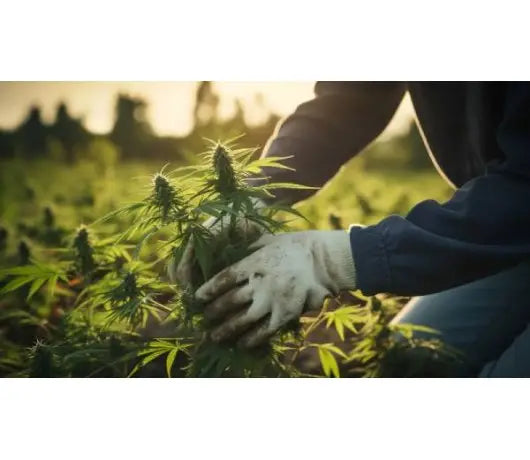
Cannabis cultivation is an art and science that requires attention in every detail, and one of the most crucial aspects is the choice of land. Earth is not simply the medium where roots settle; It is the source of nutrition, support and life for cannabis plants. In the "cannabis cultivation on land", soil quality plays a determining role in the health and performance of plants. This article is immersed in the heart of cannabis cultivation, exploring how the right choice of the earth can significantly influence the quality and quantity of the harvest.
From composition and texture to water and nutrient retention capacity, each aspect of the Earth has a direct impact on the growth of cannabis plants. By understanding and optimizing these characteristics, cultivators can create an ideal environment that promotes vigorous development and abundant flowering. Throughout this article, we will break down the secrets of the "cannabis cultivation on land", providing cultivators with the tools and knowledge necessary to choose the best land and apply cultivation techniques that maximize the potential of their plants.
Fundamentals of cannabis cultivation on land
The cultivation of cannabis on land is an ancient practice that remains popular among cultivators both rookies and experienced. This technique, commonly known as "marijuana culture in full soil" or "exterior marijuana culture on soil", is based on the use of land as a natural means for plant growth. Unlike hydroponic or coconut fiber cultivation methods, cultivation on land offers a beneficial nutrient and microorganisms that contribute to the healthy development of cannabis plants.
Soil quality is fundamental in cannabis cultivation. A well prepared and nourished soil can provide marijuana plants for everything necessary for optimal growth. The ideal characteristics of good soil include an airy texture, a good drainage and a rich composition of organic and mineral nutrients. These factors ensure that plants' roots can expand freely, absorb water and nutrients efficiently and, ultimately, support robust and healthy plants.

Cannabis cultivation types according to the land used
The type of land used in cannabis cultivation can have a significant impact on the health and productivity of plants. Each type of soil offers different characteristics and benefits, and the proper choice depends on the specific needs of the plants and the cultivation conditions. Next, we explore some of the most common types of land in cannabis cultivation and how they influence the cultivation process.
Clayey land
The clay soil is dense and can retain a lot of water and nutrients. Although this can be beneficial to keep hydrated plants, it can also cause drainage and aeration problems. Cultivators who use clay soil often modify it with organic or perlite matter to improve its structure.
Sandy land
The sandy earth offers excellent drainage and aeration, which is ideal to avoid excess moisture and root diseases. However, its ability to retain nutrients is low, which means that cultivators must fertilize more frequently. The sandy land is ideal for growers who prefer more strict control over the nutrient regime.
Silly earth
The silly earth is considered by many as the ideal type of soil for cannabis cultivation. It has a good water and nutrient retention, while providing adequate aeration. The silly earth is rich in organic matter, which makes it fertile and easy to work.
Turba land
The mob is an organic soil that is formed in humid environments. It is light and airy, but it is not very nutritious by itself. The mob is often used in soil mixtures to improve the structure and water retention capacity.
Coconut land
The land of coconut, made of coconut fibers, is a popular alternative to traditional land. It offers excellent aeration and drainage, and has a good capacity to retain water. Although it is not rich in nutrients, the Earth of Coco is an ideal means for the precise control of fertilization.
Commercially prepared land
There are numerous commercially designed land prepared options for cannabis cultivation. These mixtures usually contain a combination of various types of earth and additives such as perlite, vermiculite, compost and slow -release fertilizers, providing a balanced and ready -to -use means of culture.
Each type of land has its own advantages and challenges in cannabis cultivation. The choice of adequate soil depends on factors such as climate, the availability of resources, and the personal preferences of the cultivator.
Choose the best land for marijuana
The choice of the right land is a crucial step in the successful cultivation of cannabis. The "best land for marijuana" is not simply the richest in nutrients, but the one that best suits the specific needs of your plants and the conditions of your cultivation environment. Here we offer you some detailed tips to select the land that will maximize the health and productivity of your cannabis plants.
Understand the composition of the soil
The "Marijuana Cultivation Earth composition" is a determining factor in the choice of soil. A good floor for cannabis must have an adequate equilibrium of clay, sand and silt. This ensures good aeration, drainage and nutrient retention. In addition, the presence of organic matter such as compost or humus is essential to provide nutrients and promote healthy microbial activity.
pH and nutrients
The pH of the soil is crucial for cannabis cultivation. A pH between 6.0 and 7.0 is ideal, since it allows an optimal absorption of nutrients. In addition, the soil must have an adequate balance of essential nutrients such as nitrogen, phosphorus and potassium, as well as micronutrients such as magnesium, calcium and iron.
Texture and drainage
Soil texture affects its drainage and aeration capacity. A soil too compact can prevent the growth of roots and retain too much water, while a soil too loose may not retain enough water and nutrients. The addition of perlite, vermiculite or coconut fiber can improve the texture and drainage of the soil.
Organic soils vs. Prepared soils
Organic soils are ideal for growers who prefer a natural and sustainable approach. These soils are usually enriched with compost and do not contain chemical additives. On the other hand, commercially prepared soils can offer a convenient and balanced solution, especially for beginners.
Soil customization
Consider customizing your soil mixture according to the specific needs of your plants and cultivation conditions. This may include adjusting soil composition, pH and nutrient levels to adapt to the different stages of cannabis growth.
When choosing the "best land for marijuana", it is important to remember that what works for a grower or a strain may not be ideal for another. Experimentation and observation are key to finding the perfect floor mixture for your plants.

Step by step process to grow cannabis on land
Cultivating cannabis on land can be a rewarding and productive experience if the right steps are followed. Here we present a step -by -step guide to help you start and maintain a successful cannabis crop on land.
Step 1: Earth selection and crop area preparation
The successful start of a cannabis culture begins with the careful selection of the earth and the meticulous preparation of the culture area. This first step is crucial to ensure that your cannabis plants have the best possible environment for growth and development.
- Type of earth: Opt for a soil rich in organic matter, with good aeration and drainage.
- pH of the ground: Make sure the ground has a pH between 6.0 and 7.0, which is ideal for cannabis.
- Soil enrichment: Improve your soil with compost, earthworm or bat guano to increase fertility. A good choice can be the FERTILIZER WITH WORLD HUMUS Biobizz, which helps provide the necessary nutrients to your plants.
- Location for outdoor cultivation: Choose a place with good sun exposure, protected from strong winds and with access to water.
- Soil preparation: Remove and loosen the ground to a depth of 30-40 cm, eliminating weeds and debris.
- Control of Pests and diseases in cannabis: Consider treating the soil with organic methods for Prevent pests and diseases.
- Soil tests: Performs tests to know nutrient levels and pH, and adjust as necessary.
- Preparation for interior cultivation: If you grow inside, prepare your space with lightning, ventilation and Climate Control Systems adequate.
- Choice of Containers: For cultivation inside, select containers with good drain.
When completing these steps, you will have established the bases for a healthy and productive cannabis culture. The careful preparation of the soil and the culture area is an essential step that will influence all the posterior stages of the growth of your plants.
Step 2: Seed germination
Germination is the process by which a cannabis seed wakes up to life, starting your cultivation. This step is crucial, since successful germination is the basis for healthy and vigorous plants. Here we explain how to germinate your cannabis seeds effectively.
- Seed preparation: Start by selecting cannabis seeds High quality. Find seeds that are robust, dark brown and with a slightly bright appearance.
- Paper towel method: One of the most popular methods for germination is that of paper towel. Moisten two paper towels and place the seeds between them. Then, put the towels on a plate and cover it to keep the moisture.
- Germination environment: Keep the seeds in a warm and dark place, ideally at a temperature of around 22-25 ° C (72-77 ° F). Avoid exposing them to direct light during this process.
- Monitoring and moisture: Check the seeds regularly to make sure that paper towels remain wet, but not saturated with water. Humidity is essential for germination, but excess water can cause seed rot.
- Seedling transplant: Once the seeds have germinated and the roots have emerged (usually after 24-72 hours), it is time to carefully transplant your prepared culture medium.
At the end of germination, your seeds will be ready to begin their growth trip on the prepared earth. This germination step is essential to ensure a good start for your cannabis plants, establishing the bases for a successful crop.

Step 3: Transplant to Earth
Once cannabis seeds have germinated and seedlings are ready, the next step is to transplant them to the earth. This is a critical moment in the life cycle of plants, since they are established in their new growth environment. Here we guide you through the transplant process safely and effectively.
- Soil preparation: Before transplanting, make sure that the floor in your pots or in the garden is well prepared. It must be loose, aerated and humid, but not soaked.
- Container size: If you are transplanting to containers, choose one large enough to allow the growth of the roots. A container of approximately 10-15 cm (4-6 inches) in diameter is a good starting point for seedlings.
- Care when manipulating seedlings: Manipulate seedlings very carefully to avoid damaging delicate roots. Hold the seedlings by the leaves, not by the stem or the root.
- Hole: Make a hole in the earth of the right size to accommodate the seedling root. The hole must be large enough for the root to spread naturally.
- Transplant: Place the seedling in the hole and gently cover the roots with earth. Make sure the base of the plant is at the level of the soil surface and not deeper.
- Post-transplant irrigation: Once transplanted, water the plants carefully to help settle the earth around the roots. Avoid excessive irrigation, as this can cause stress to seedlings.
After completing the transplant, your cannabis plants will begin a new growth phase in their most permanent environment. This step is vital to provide plants with the space and resources necessary to expand and mature.
Step 4: Vegetative growth phase
After transplanting cannabis seedlings, they enter the vegetative growth phase, a crucial period where plants develop their structure and size before flowering. During this stage, it is essential to provide adequate conditions to promote strong and healthy growth.
- Adequate lighting: In the interior cultivation, it provides your plants between 18 and 24 hours of light a day to stimulate rapid growth. If you are outdoors, make sure the plants receive enough direct sunlight.
- Irrigation and nutrition: Water the plants regularly, keeping the soil wet but not saturated. During the vegetative phase, plants require more nitrogen, so you must use a fertilizer with a greater proportion of nitrogen.
- Environmental control: Maintain adequate temperature and humidity in your culture area. Ideal temperatures range from 20-30 ° C (68-86 ° F) with a relative humidity of 40-60%.
- Pruning and training: Use pruning techniques and training to shape your plants and maximize exposure to light. This may include techniques such as Topping (cut the tip of the plant) or LST (Low Stress Training).
- Prevention of pests and diseases: Regularly inspect your plants for signs of pests or diseases. It implements preventive measures and treats any problem immediately to maintain your healthy plants.
This vegetative growth phase is essential to establish a solid base for future flowers. Adequate care and attention during this stage will ensure that your cannabis plants are well prepared to enter the next flowering phase.
Step 5: Flowering phase
The flowering phase marks a critical period in the cannabis life cycle, where plants begin to produce flowers. This stage requires a change in care and conditions to ensure an abundant and high quality harvest.
- Lighting adjustment: For cannabis plants cultivated inside, it reduces exposure to light to 12 hours a day to induce and maintain flowering. In the outer cultivation, flowering will begin naturally as the days shorten.
- Change in nutrition: During flowering, plants require less nitrogen and more phosphorus and potassium. It changes to a fertilizer formulated for the flowering stage that promotes the development of buds.
- Water and nutrient monitoring: Continues to water regularly, but avoid excess water to prevent roots and fungi problems. Make sure the plants receive the necessary nutrients without superfertying them.
- Moisture control and temperature: Keep a lower moisture during flowering, ideally between 40-50%, to reduce the risk of mold and diseases. The optimal temperature must be between 20-26 ° C (68-78 ° F).
- Inspection and maintenance: Watch your plants in search of signs of stress, pests or diseases. Early detection and treatment are key to maintaining plants health during flowering.
- Harvest preparation: As the flowers mature, observe the trichomes and pistils to determine the best time for harvest. The trichomas change from clear to beds or amber, indicating the maturity of the buds.
The flowering phase is an exciting and crucial moment in cannabis cultivation. Providing proper care during this stage is essential to ensure a successful and high quality harvest.

Step 6: Maintenance and care
The maintenance and continuous care of your cannabis plants is essential throughout the culture process. This stage implies constant surveillance and regular adjustments to ensure that your plants grow in a healthy and productive way. Here we offer you some key guidelines for the maintenance and effective care of your cannabis plants.
- Consistent irrigation: Keep a regular irrigation schedule, adjusting the amount of water according to the needs of your plants. Avoid both excessive and insufficient irrigation, since both can cause stress and damage to plants.
- Nutrient control: Continue feeding your plants with the appropriate nutrients for each stage of your life cycle. Monitor the leaves and the general growth to detect signs of deficiencies or excesses of nutrients.
- PH monitoring and electrical conductivity (EC): Regularly verifies the pH and the EC of the soil or irrigation water to ensure that they are in the optimal ranges. Adjust as necessary to maintain a balanced growth environment.
- Pest and disease control: Inspect your plants frequently to detect signs of pests or diseases. Use organic or chemical control methods according to your preference and need.
- Environmental adjustments: In an interior cultivation environment, it controls and adjusts the temperature, humidity, ventilation and lighting to maintain optimal conditions. Outside, it protects extreme climatic conditions when possible.
- Pruning and cleaning: Make regular pruning to eliminate dead or sick leaves and to improve air circulation and light exposure in all parts of the plant.
- Observation and adjustments: Stay attentive to changes in your plants and adjust your care practices as necessary. Each plant can have unique needs, and be attentive to these needs will allow you to react properly.
Constant maintenance and care are fundamental for the success of your cannabis cultivation. When paying attention to the changing needs of your plants and adjust your care methods accordingly, you can ensure optimal growth and successful harvest.
Step 7: Pruning and training
Pruning and training are crucial techniques in cannabis cultivation, used to improve the structure of plants and increase their performance. These practices help manage the shape and size of plants, optimizing exposure to light and air circulation. Next, the key pruning and training techniques are detailed:
- Cleaning pruning: Regularly eliminates dead or yellowish leaves and branches that do not receive enough light.
- Topping pruning: Cut the tip of the main floor to encourage the growth of multiple queues and increase flowering sites.
- Defoliation pruning: Remove some upper leaves to allow better light penetration to the lower buds.
- Low Stress Training (LST): Gently bend and tie the branches to change the shape of the plant and improve exposure to light.
- Screen of Green (Scrog): Use a mesh or network to train plants to grow through it, creating a uniform cogollos layer.
- Super Cropping: Advanced technique that implies bending and pinching the branches to create "knots" that strengthen the plant.
These techniques should be performed with care to avoid excessive stress in plants. Adequate pruning and training are fundamental to improve the production of buds and the general health of cannabis plants.
Step 8: Harvest
The harvest is the culminating moment of cannabis cultivation, where you finally collect the fruits of your hard work. Determining the right time to harvest and carry out the process is properly crucial for the quality and power of your buds. Here we guide you through the essential steps for a successful harvest.
- Determine the right time for harvesting: Look at the trichomes and pistils of your plants. The trichomas are small resinous glands in the nearby buds and leaves. When most trichomes are cloudy with amber tips, it is a good indicator that it is time to harvest. Pistils must have changed from white to an orange or brown color.
- Harvest tools: Prepare sharp scissors, gloves and containers to collect the buds. Scissors should be clean to avoid pollution and disease transfer.
- Cutting process: Cut the branches of your plants or remove the buds individually. Some growers prefer to cut the entire plant, while others harvest individual branches.
- Careful management: Handle the buttocks carefully so as not to damage the trichomes. Trichomas contain most cannabinoids and terpenes, so they are essential for the power and aroma of your buds.
- Preparation for drying and curing: Once harvested, the buds must be dried and cured properly. Drying implies hanging the branches or placing the buds in a drying grid in a controlled environment. The cure is done by placing the dried bud in hermetic containers and opening them periodically to air them.
The harvest is an exciting but meticulous process that requires attention to detail. Harvest at the right time and with the correct method is essential to ensure the highest quality and power of your cannabis buds.
Step 9: Drying and Cured
Drying and cured are fundamental stages in the post-harvest process of cannabis, essential to guarantee the quality and power of your buds. These steps improve flavor, reduce smoke roughness and retain cannabinoids and terpenes.
- Drying preparation: Hangs the branches or puts the buttons in drying grilles in a dark and well ventilated place.
- Drying conditions: Maintain a temperature of 18-22 ° C (65-72 ° F) and a relative humidity of 50-60%.
- Drying duration: The process usually lasts between 7 and 14 days, until the stems break and the buds feel dry to the touch.
- Curning preparation: After drying, place the buds in airtight jars, filling up to 75% of their capacity.
- Curning process: Stores the jars in a cool and dark place, opening them several times a day during the first week to air.
- Duration of the cure: It can last from a few weeks to several months, depending on your preferences.
Drying and cured careful are vital to enhance the qualities of your cannabis buds. These final steps ensure that your cultivation efforts are translated into a high quality consumption experience.

Advantages of cannabis cultivation on land
Cannabis cultivation on land offers several significant advantages, which makes it a popular option for both rookie and experienced growers. Here I detail some of the main advantages:
- Ease of handling: Cultivation on land is generally simpler and less technical than other methods such as hydroponics. It is ideal for beginners due to its tolerance to small errors in irrigation and fertilization.
- Lower initial cost: Starting a cultivation on land is usually cheaper than other methods. It does not require complex systems or expensive environment control equipment.
- Natural flavor and aroma improvement: Earth can enrich the flavor and aroma profile of cannabis buds. Organic nutrients and microorganisms present on Earth contribute to a more natural and complete development of plants.
- Sustainability: Earth cultivation may be more sustainable, especially if organic practices are used. Earth can be reused and improved over time, and the use of compost and organic fertilizers reduces chemical dependence.
- Plants Resilience: Cannabis plants on land are usually more resistant to fluctuations in irrigation and food. The earth acts as a shock absorber for nutrients and water, which can be beneficial for less experienced growers.
- Better roots development: Earth allows a more natural and extensive roots development. A good root system is essential for the general health of the plant and its ability to absorb nutrients and water.
- Microbial diversity: Earth is a living medium that contains a diversity of beneficial microorganisms. These microbes play a crucial role in the cycle of nutrients and in pathogen protection.
- Flexibility in the choice of substrates: There is a wide variety of land types and mixtures available, which allows growers to choose or customize the substrate according to the specific needs of their plants.
The cultivation on land remains one of the most traditional and rewarding forms of growing cannabis. It offers a combination of simplicity, effective cost and natural benefits that make it attractive to many growers.
Situations in which to choose the cultivation on land for cannabis
Choosing ground cultivation for cannabis is a decision that depends on several specific factors and situations. Here I detail some circumstances in which the cultivation on land can be the most appropriate option:
- Beginner growers: For those who are new in cannabis cultivation, Earth is an excellent option due to its ease of handling and tolerance to small errors. It allows beginners to learn the foundations of crop without the complexity of more technical systems.
- Limited budget: If you have a restricted budget, cultivation on land is ideal. It requires less initial investment compared to hydroponic or aircraft systems, since you do not need expensive equipment to start.
- Preference for organic methods: Cultivators interested in organic cultivation methods often prefer land. It allows the use of natural compost and fertilizers and promotes a healthy soil ecosystem.
- Small -scale or hobby culture: For homemade growers or those who see cannabis cultivation as a hobby, the earth is a simple and rewarding option that does not require complex configuration.
- Search for flavors and aromas improved: Earth can improve the flavor and aroma profile of cannabis cogollos. Organic nutrients and microbial diversity on Earth contribute to a more complete development of plants.
- Sustainable and Ecological Culture: If you are interested in sustainability, cultivation on land is a good choice. Earth can be reused and improved with composting, and reduces dependence on chemicals.
- Limited or outdoor culture spaces: For those who have limited cultivation spaces or prefer to grow outdoors, the earth is a practical option. It is easy to handle in small areas and adapts well to external conditions.
- Preference for a more natural approach: Some growers choose the earth for their most natural and traditional approach in cannabis cultivation, which can be an important part of their cultivation experience.
In summary, land cultivation is a versatile option that adapts to a variety of situations, preferences and experience levels. It offers an accessible and natural way to grow cannabis, which makes it ideal for many growers.