


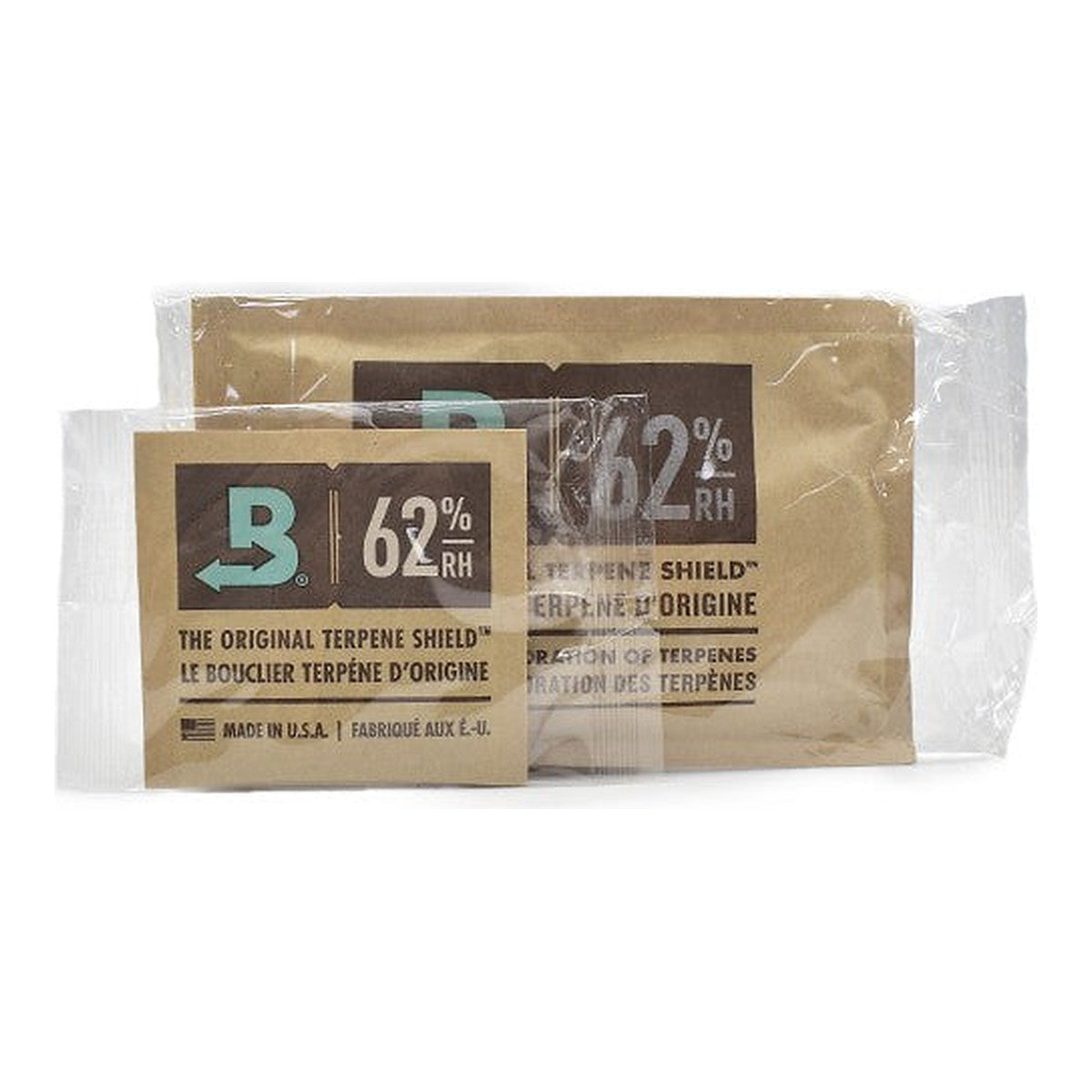


Conservation Bags: Efficient Solutions for Storage and Protection
Preservation bags are essential tools to maintain the freshness, safety and organization of various products. From food to important documents, these bags offer a variety of functions that make them indispensable in the home and in various industrial sectors. With sealable, embossed and zip-lock options, each bag type is designed to meet specific preservation and storage needs.
Types and Characteristics of Conservation Bags:
- Sealable Bags: Perfect for foods and other products that require an airtight seal to maintain freshness and protect them from air, moisture and external contaminants. These bags are ideal for use in refrigerators and freezers.
- Embossed Bags: Designed especially for use with vacuum machines, these bags have an embossed texture that helps extract air completely, significantly extending the shelf life of food and protecting it from freezer burn.
- Zip Closure Bags: They facilitate repeated opening and closing, perfect for everyday uses where frequent access to content is required. They are ideal for storing snacks, small components, office supplies, among others.
Advantages of Conservation Bags:
- Superior Protection: All bags offer an effective barrier against external agents, ensuring that the contents remain in optimal conditions for longer.
- Versatility of Use: Suitable for a variety of applications, from preserving food to organizing small items in homes and offices.
- Eco-Friendly: Many of these bags are reusable and recyclable, supporting responsible consumption practices and waste reduction.
Recommended Uses:
- In the kitchen: To store fruits, vegetables, meats and other foods, maintaining their freshness and flavor.
- In the Office or Workshop: To organize and protect electronic components, small pieces of hardware or important documents.
- In Travel and Outdoor Activities: To keep items such as electronics, clothing and documents dry and safe.
Conservation bags are practical and effective solutions for storing and protecting a wide range of products. Their ability to adapt to various needs makes them an indispensable complement to any environment, facilitating better organization and conservation of daily resources.