
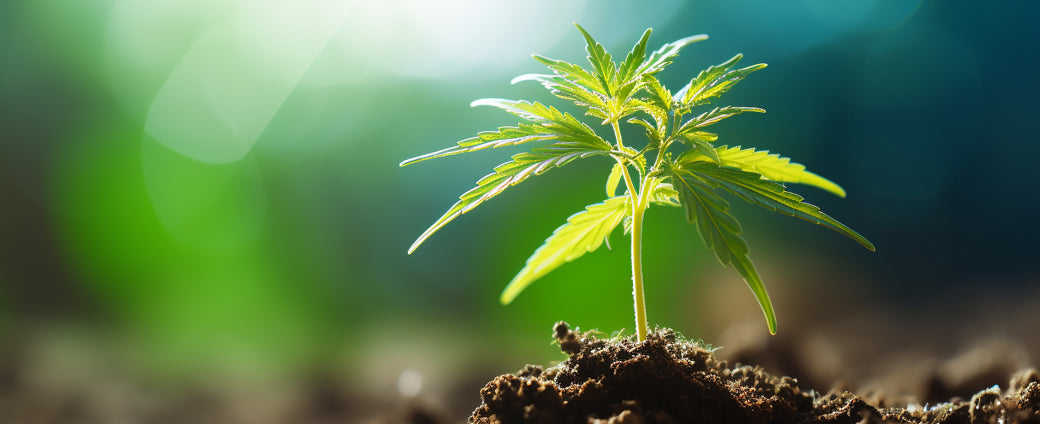
To propagate marijuana cuttings abroad, select healthy outbreaks, cutting with 45 ° angle, apply rooting hormone and proposed in humid substrate. Keep in a humid environment and with indirect light until rooting.
Marijuana cuttings represent an invaluable and fascinating horticultural technique, especially popular among outdoor cannabis growers. This practice, which implies cutting and replanting a section of a mother plant, allows gardeners to precisely replicate the desired characteristics of a particular plant. When removing marijuana cuttings abroad, growers can make sure that each new plant is genetically identical to the mother plant, thus guaranteeing a consistency in quality, power and growth characteristics.
In addition, this technique offers several significant benefits. First, it is an efficient way to spread many plants in a short period of time without the need for seeds. This is especially useful for those growers who have identified a mother plant with exceptional attributes and wish to maximize their cultivation. Planting marijuana cuttings abroad also reduces the time to harvest, since the cuttings usually grow faster than the plants germinated from seeds.
Another notable benefit of this technique is its cost-effectivity. The cuttings eliminate the need to buy new seeds for each crop, which can represent considerable long -term savings. In addition, when planting cuttings abroad, cultivators take full advantage of natural conditions, which can result in a more robust and sustainable development of plants.
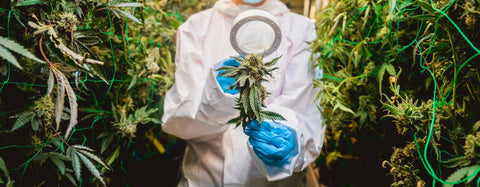
Squeaky preparation
Before embarking on the process of how to get marijuana cuttings outdoors, it is crucial to start proper preparation. This phase is essential to ensure the success of the scheme and the future healthy development of plants.
Choice of the mother plant
The first step is to select an adequate mother plant. It is essential to choose a marijuana plant that is robust, healthy and free of diseases or pests. Find a plant that shows vigorous growth, a dense and green foliage, and that has shown to have the desired characteristics, such as power, aroma, or resistance to specific environmental conditions. The genetics of the mother plant will be the basis of your cuttings, so this choice is critical.
Necessary tools and materials
Once the mother plant has been selected, the next step is to gather the tools and materials necessary for the squeeze. These include:
- Sharp and sterilized scissors: The use of very sharp and sterilized blades or scissors is vital to make clean and precise cuts, which reduces damage to the mother plant and cuttings. Sterilization prevents disease transmission.
- Rooting hormones: These chemicals help stimulate roots growth in cuttings, significantly increasing the possibilities of success in rooting. There are different types, including liquids, gels and powders.
- Proper substrate: The substrate in which you will plant the cuttings must be light and allow good aeration and drainage. Mixtures of peat, perlite and vermiculite are common options. Make sure the substrate is slightly wet before inserting the cuttings.
- Other materials: You may also need small pots or trays for cuttings, tags to identify plants, and a bottle with sprayer to maintain hydrated cuttings.
With the selected mother plant and all the tools and materials ready, you are prepared to advance to the next step: how to take marijuana cuttings abroad correctly. This is a delicate process that requires attention and care to ensure the best possible start for your future plants.
How to take cuttings correctly
Taking cuttings of the mother plant is a process that requires precision and care. Here I detail the steps to follow and some tips to avoid stress and damage to the mother plant and the cuttings.
- Identify the right stems: Choose healthy and vigorous stems of the mother plant. Ideally, they must have at least two or three nodes (points where the leaves come out).
- Prepare the tools: Make sure your blades or scissors are clean and sterilized to avoid infections.
- Perform the cut: Make a clean cut and at an angle of 45 degrees just below a node. This angle increases the surface for root growth and facilitates water absorption and rooting hormones.
- Remove the lower leaves: Remove the lowest leaves in the cutting to avoid touching the substrate and foster the development of fungi or rot.
- Apply rooting hormones: The cutting end of the cutting in the rooting hormones is submerged following the product instructions.
- Plant the cut: Place the cutting in the prepared substrate, making sure that the cut node is under the surface.
- Maintain adequate conditions: Make sure the cuttings are in a humid and warm environment to encourage rooting.
Tips to avoid stress and damage
- Make the cuts quickly: Prepare everything before starting to cut to minimize the time that the cuttings pass outside the mother plant.
- Avoid dehydration: After cutting them, place the cuttings in water or in the humid substrate as soon as possible to prevent them from drying out.
- Take care of the mother plant: After taking the cuttings, take care of the mother plant by wating it properly and observing it to detect signs of stress.
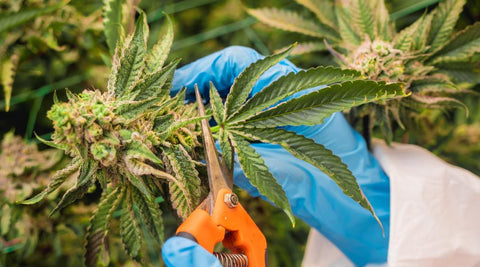
Treatment of cuttings before planting them
The proper treatment of the cuttings before planting them is crucial to ensure their survival and a good rooting. Here I explain how to apply rooting hormones and prepare the substrate and ideal conditions.
Application hormones application
- Just after cutting the mother's cutting, the end cut into rooting hormones.
- You can use gel hormones, liquid or dust. Each type has its own instructions for use, so be sure to follow them correctly.
- Ring hormones help stimulate and accelerate roots formation in cuttings, significantly increasing success rates.
Substrate preparation
- Choose a light and airy substrate, which allows good drainage and moisture retention. A mixture of peat, perlite and vermiculite usually works well.
- Moisten the substrate before inserting the cuttings, but make sure you are not soaked. Excess water can cause rot.
Ideal conditions for rooting
- Keep the cuttings in a warm and humid environment. The ideal temperature is between 20-25 ° C (68-77 ° F).
- It provides good lighting, but avoids direct sunlight, since it can be too intense for newly planted cuttings.
- Consider the use of a mini greenhouse or a plastic cover to maintain high humidity. If you use a cover, be sure to ventilate daily to avoid mold.
- Slightly water the cuttings to keep the wet substrate, but not saturated.
By following these steps, you will prepare your marijuana cuttings to plant marijuana cuttings outside in the best possible way, creating an optimal environment for rooting and early growth. This initial care is essential to develop strong and healthy plants from your cuttings.
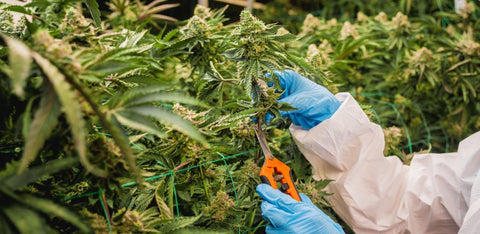
Outdoor cuttings planting
Once your cuttings have developed a robust root system, it is time to transfer them abroad. This step is crucial and should be done carefully to ensure that the cuttings adapt well to their new environment and continue to grow strong and healthy.
Determine the right time to move
- Look at the development of roots. Generally, the cuttings are ready to be transplanted outside when they have a established and visible roots system.
- Choose a cloudy day or in the freshest hours to transplant, to minimize stress due to heat and direct sunlight.
Adequate location
- Select a place that receives enough sunlight, ideally about 6-8 hours of direct light per day.
- Protects cuts of strong winds and climatic ends. A partially protected location can be beneficial.
Weather and weather conditions
- Consider the climatic conditions of your area. The cuttings must be planted at a time of the year where temperatures are stable and there is no risk of frost.
- If you live in a region with extreme climates, consider the use of protections such as cultivation or greenhouse tunnels.
Soil preparation
- The soil must be fertile and well drained. If necessary, improve the soil with compost or organic matter to increase its wealth and drainage capacity.
- Make sure the soil pH is adequate for marijuana cultivation, usually between 6.0 and 7.0.
SIZE TRANSPLANTE
- Make a hole large enough to accommodate the root system without tightening them.
- Remove the substrate cuttings carefully to avoid damaging the roots.
- Place the cutting in the hole and fill it with earth gently, making sure that the base of the stem is at the ground level.
Initial irrigation
Water the freshly transplanted cuttings to help settle the earth around the roots and remove airbags.
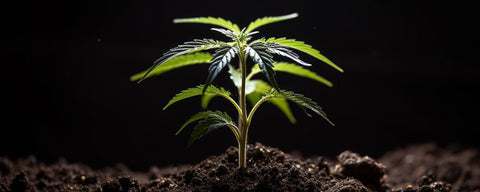
Initial care for outdoor cuttings
Once the cuttings are planted abroad, it is crucial to provide adequate care to ensure their roots and healthy growth. These care include appropriate irrigation, protection against pests and diseases, and other useful advice.
Adequate irrigation
- The cuttings need to stay wet, but not soaked. Water regularly, allowing the upper part of the ground to dry slightly between irrigation.
- Avoid excessive irrigation, since it can lead to the rot of the roots.
- In the first weeks, it is preferable to water with less quantity and more frequency to support the development of the roots.
Protection against pests and diseases
- Regularly inspect your plants for signs of pests or diseases.
- Use organic and ecological control methods whenever possible. Natural insecticides and fungicides can be effective and less harmful to the environment.
- Consider the use of prevention methods, such as physical barriers or accompanying plants that repel pests.
Fertilization
- Once the cuttings have thrown roots and begin to grow, they can benefit from a light fertilization.
- Use a balanced fertilizer, suitable for cannabis, and follow the dosing instructions carefully to avoid overfertilization.
Environment control
- Protect extreme climatic conditions, such as late frosts or intense heat. You can use coverage, shading or even move plants to more protected places if they are mobile.
- Make sure the plants have enough space to grow. This helps avoid competition for resources and reduces the risk of diseases.
Pruning and training
As plants grow, you can consider pruning or training techniques to promote a stronger structure and better performance.
Common problems and solutions
Even with the best care, cannabis cuttings abroad can face several common problems. Recognizing these problems and knowing how to handle them is essential to keep your plants healthy and productive.
Witter or fall in cuttings
- Cause: It is generally caused by water stress, either by excess or lack of water.
- Solution: Adjust your irrigation regime. Make sure the ground is wet but not saturated.
Root rot
- Cause: Too wet or bad drainage.
- Solution: It improves soil drainage and reduces irrigation. Consider the use of organic fungicides if the situation is severe.
Yellowing of the leaves
- Cause: It may be due to poor nutrition, a pH of inappropriate soil or excessive irrigation.
- Solution: Verify and adjust the pH of the soil and make sure that the plants receive the appropriate nutrients. Moderate irrigation.
Pests such as mites, aphids or whitefly
- Cause: Insects that feed on plants.
- Solution: Use organic insecticides or natural remedies such as Neem oil. The introduction of natural predators can also be effective.
Fungus or mold
- Cause: Excessive humidity and poor air circulation.
- Solution: Reduces moisture around plants and improves air circulation. Use adequate fungicides in severe cases.
Slow or stagnant growth
- Cause: Inadequate environmental conditions, poor soil or root problems.
- Solution: Make sure the plants are in a place with the appropriate light and temperature conditions. Enriches the ground if necessary.
Burns in the leaves or discoloration
- Cause: Excessive sun exposure or overfertilization.
- Solution: Provides partial shadow during the hottest hours of the day and adjusts the use of fertilizers.