
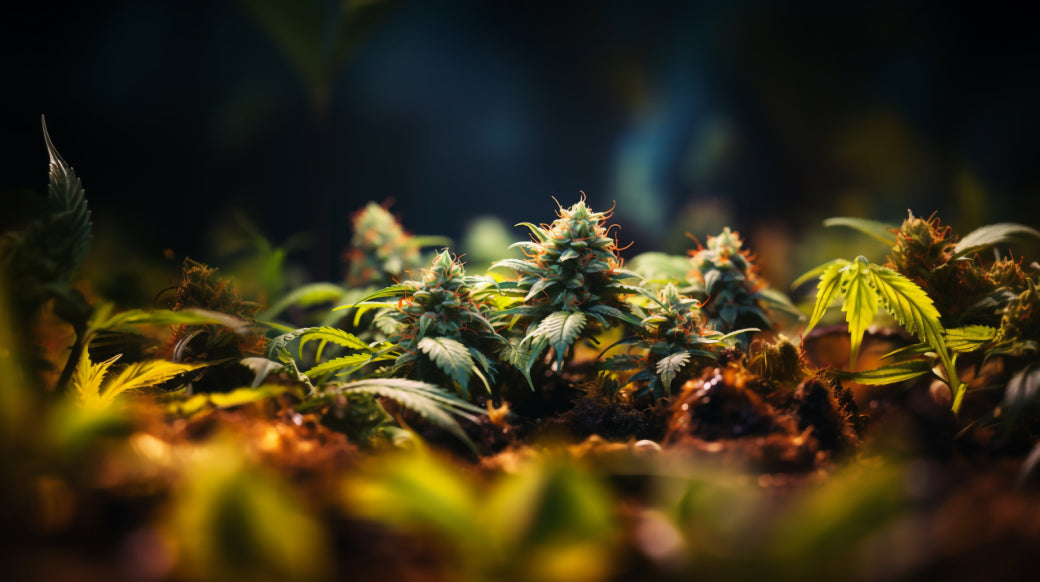
In the world of cannabis cultivation, one of the most fascinating and crucial aspects is resin production. This sticky substance is not only responsible for the unique power and aroma of each plant, but also contains compound precious such as THC and other cannabinoids that are highly valued both in recreational and medicinal use. Therefore, understanding how to increase resin in the buttles becomes an essential search for cultivators and enthusiasts equally.
Cannabis resin, rich in THC resin and other essential compounds, is a key indicator of plant quality and effectiveness. Knowing the techniques to enhance your production not only improves consumer experience, but can also significantly increase the value of the harvest. For this reason, the art of increasing marijuana resin is a topic of great interest for both rookie and most experienced growers.
To increase resin in buds, you can optimize factors such as plant genetics, adequate nutrition, and environmental conditions such as humidity and temperature. In addition, techniques such as selective pruning, controlled stress and the use of specific supplements can enhance resin production.
What is cannabis resin
The cannabis resin, often seen as the heart of the plant, is a viscous and rich substance in active compounds that occurs in the trichomas glands of the butt and leaves of the plant. This resin is much more than a simple exudate; It is the warehouse of a diversity of cannabinoids, terpenes and flavonoids, responsible for the effects, aromas and flavors of cannabis.
Among the various compounds present in the resin, the THC (Tetrahydrocannabinol) is the best known and studied. The THC resin is essential in the psychoactive experience associated with cannabis, being the main agent that influences the euphoric and therapeutic effects of the plant. This resin is not only valued by its recreational effects, but also by its medicinal properties, ranging from pain relief to the treatment of symptoms of various diseases.
In addition to THC, marijuana resin contains CBD (Cannabidiol) and other cannabinoids that have non -psychoactive effects but are equally important. These compounds work together, in a phenomenon known as the "entourage effect", to enhance or modulate the effects of THC and contribute to the unique experience of each cannabis variety.
Therefore, cannabis resin is a vital component of the plant, not only for its contribution to psychoactive and therapeutic properties, but also for its role in the defense of the plant against predators and environmental elements. Cultivators seek to maximize the production of this resin, not only to intensify the desired effects but also to improve organoleptic characteristics, such as flavor and aroma, which are highly appreciated by consumers and patients.
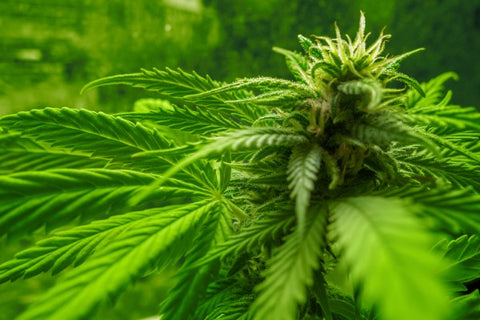
Factors that affect resin production
Cannabis resin production is a complex process influenced by a variety of genetic and environmental factors. Understanding these factors is crucial for any cultivator that seeks to optimize the quantity and quality of the resin in its plants.
Genetic factors
- Genetics is the most decisive factor in resin production. Some cannabis varieties are naturally predisposed to produce high resin levels, while others may have lower concentrations. The selection and breeding of specific varieties is essential to guarantee an abundant production of high quality resin.
- The proportion of cannabinoids, such as THC and CBD, is also genetically controlled, which means that different strains will produce different resin profiles.
Environmental factors
- Light: The intensity, quality and duration of the light received by the cannabis plant significantly influence resin production. Plants exposed to more hours of light, especially during the critical phases of their life cycle, tend to produce more resin.
- Temperature: Extreme temperatures, both high and low, can stress the plant and affect resin production. A moderate and controlled temperature is ideal for optimal resin production.
- Humidity: A balanced humidity level is crucial. Excessive humidity can increase the risk of fungal diseases, while dryness can stress the plant, affecting resin production.
- Nutrition and soil: The type of soil and the nutrients available for the plant play an important role. A well drained soil and rich in essential nutrients will promote greater resin production.
- Controlled stress: Interestingly, certain levels of stress, such as pruning or minor changes in the environment, can stimulate the plant to produce more resin as a defense mechanism.
Techniques to increase resin in buds
For those cultivators who wonder how to increase resin in buds, there are various techniques focused on lighting, nutrition and application of controlled stress. These strategies can be key to optimizing resin production, improving both the quality and the quantity of the buds.
Lighting strategies to increase resin in cogollos
- One of the most effective ways of increasing resin in the buttocks is by optimization of lighting. The adequate intensity and spectrum are crucial during the flowering phase. Use complete spectrum LED lights or HPS (high pressure sodium) can significantly increase resin production.
- Exposing plants to UV-B light during the last weeks of flowering can increase resin production as a mechanism for the defense of the plant.
Adapt nutrition to increase resin production in buttles
- Adequate nutrition is essential to increase resin in buttles. Cultivators must ensure that plants receive a balanced diet rich in potassium and phosphorus during the flowering stage, since these nutrients are fundamental for resin production.
- The addition of supplements such as amino acids and carbohydrates can also stimulate the plant to produce more resin.
Controlled Stress Strategies To Promote Resin Production in Cogollos
- Applying controlled stress is another technique to increase resin in buttles. This may include practices such as soft pruning also known as Poda lst (Low Stress Training), controlled water stressing (reducing the amount of water before harvest) and slight temperature changes.
- These stress techniques must be applied carefully so as not to damage the plant, but, if they are done correctly, they can lead to a significant increase in resin production.
Organic methods to enhance resin
Cultivators who are looking for natural and sustainable ways to increase the quality and quantity of resin in their cannabis plants can opt for organic methods. These practices are not only environmentally friendly, but they can also result in upper resin production, enhancing flavor and aroma profiles significantly.
- Use of Fertilizers for marijuana Organic: Organic fertilizers play a crucial role in organic cannabis cultivation. These nutrients, derived from natural sources such as compost, bat guano, and bone flour, provide plants with a balanced diet and improve soil structure. A rich and well -nourished soil is essential to enhance cannabis resin production. These fertilizers release nutrients slowly, ensuring constant diet and avoiding nutritional stress in plants, which can positively influence resin production.
- Natural control for Marihauna pests and diseases: Instead of using chemical pesticides, organic control of pests that affect marijuana Use natural and biological methods. This includes the introduction of natural predators, such as ladybugs, and the use of organic repellent. Maintaining an environment free of pests and diseases naturally is vital to ensure a healthy plant, which is reflected in a greater resin production.
- Water irrigation and pH techniques: Adequate irrigation and water pH control are fundamental in organic cultivation. Quality water and with a balanced pH ensures that the roots of the plant absorb nutrients optimally, which is essential to increase resin in the buds. Organic irrigation practices, such as the use of rainwater or drip irrigation systems, can improve the general health of the plant and, therefore, their resin production.
- Environmental Stress Management: Organic practices also include environmental stress in a natural way. For example, the use of soil covers can help regulate soil temperature and maintain moisture, which benefits resin production. Small variations in temperature and light, managed organically, can stimulate the plant to produce more resin as a defense mechanism.
Harvest and post-harvest handling to maximize resin
The harvest process and post-harvest management are critical stages to maximize the quality and quantity of cannabis resin, especially with regard to the THC resin and marijuana resin. These phases can significantly influence the power, flavor and aroma of the buds, so it is important to follow adequate techniques.
- Optimal for harvesting: Determining the exact moment to harvest is essential to maximize THC resin production. Harvesting too early can result in lower power and lower levels of THC, while doing so late can lead to cannabinoid degradation. The observation of trichomes with a magnifying glass can be a good indicator; When most trichomes become a milky amber color, it is a good time to harvest, since it indicates a high THC content in the resin.
- DRYING AND CURE TECHNIQUES: A suitable drying and curing are fundamental to preserve and improve marijuana resin. These processes must be carried out slowly and under controlled conditions to avoid the degradation of cannabinoids and terpenes. Drying should be done in a dark environment, with good ventilation and controlled humidity. This process usually lasts between one and two weeks. The cure is done by keeping the dried bud in hermetic bottles, opening them periodically to allow the air to be renewed. This process can last several weeks and helps to fully develop the flavor and aroma profile of the resin.
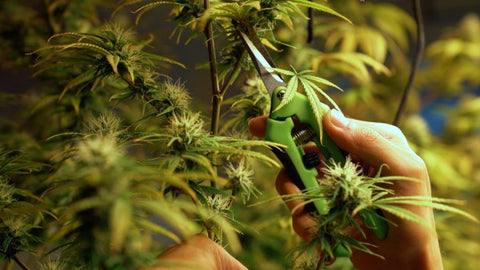
- Careful Management of Cogollos: During harvest and post-harvest handling, it is crucial to treat the buttocks carefully. Sudden manipulation can damage trichomes and reduce the amount of cannabis resin in the buds. Soft management is recommended to preserve the integrity of trichomes and, therefore, the quality of the resin.
- Appropriate storage: Adequate storage is vital to maintain the quality of the marijuana resin. The buds should be stored in a cool, dark place and with a controlled humidity to avoid the degradation of cannabinoids and terpenes. Avoid exposure to light and excessive heat is crucial to preserve the power and quality of the THC resin.