
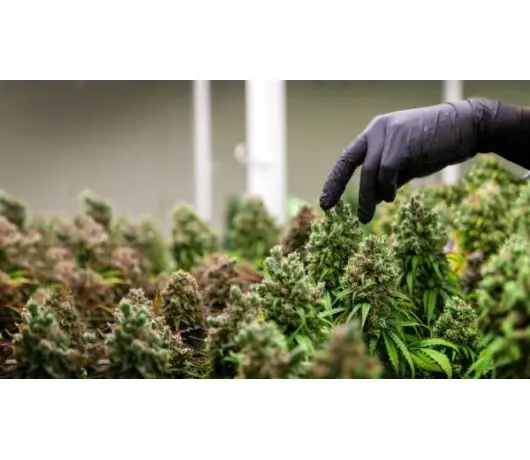
Schwazzing pruning has emerged as one of the pruning techniques more revolutionary in the world of marijuana culture, gaining popularity for its innovative approach and the significant results it offers. This unconventional pruning technique has become an outstanding practice among modern cultivators who seek to maximize the efficiency and production of their plants.

What is Schwazzing pruning?
Schwazzing pruning is an advanced and specific technique in marijuana cultivation that has gained attention and popularity for its unique approach and the shocking results it can offer. This section provides a detailed definition of the technique and explores the origins and philosophy behind this pruning practice.
Detailed definition of the Schwazzing technique
- Intensive pruning approach: Schwazzing is a technique that implies the elimination of a large number of plant leaves at specific times during its life cycle. This pruning is usually done twice: once at the beginning of the flowering phase and another approximately two weeks later.
- Objective of maximizing exposure to light: The central idea behind the Schwazzing is to improve the exposure of the buttocks in light, eliminating leaves that can block it. In doing so, it seeks to increase the efficiency of photosynthesis in the most crucial areas of the plant.
- Redistribution of resources: By selectively removing the leaves, the plant is forced to redistribute its energy and nutritious resources towards the buds, potentially improving their size and quality.
Origins and philosophy behind Schwazzing pruning
- Recent origins: Unlike other pruning techniques that have been used and perfected for decades, Schwazzing is relatively new in the world of marijuana cultivation. Its popularity has grown rapidly due to the positive results reported by experimental and commercial cultivators.
- BENGENT STRESS PHILOSOPHY: The technique is based on the philosophy that a certain level of controlled stress can be beneficial for plants. By eliminating a large number of leaves, the plant experiences a temporary shock that, if handled correctly, can result in vigorous growth and improved co -collide production.
- Focus on culture optimization: Schwazzing aligns with a more scientific and calculated approach in marijuana cultivation, where every aspect of plant growth is optimized to obtain the best possible results.
In summary, pruning Schwazzing is an advanced technique that requires a deep understanding of the physiology of marijuana plants and careful execution to be effective. Its growing popularity is due to its potential to significantly increase the production and quality of the buds under the appropriate conditions.
Schwazzing pruning benefits
- Improvement of exposure to light: Significantly increases the exposure of the co -collides to light, essential for their development.
- Increased photosynthetic efficiency: The elimination of superfluous leaves improves photosynthesis in key areas of the plant.
- Increase in production and quality of buds: The technique leads to larger and more powerful buds by redirecting resources and energy.
- Air flow optimization: Improves air circulation around the buttles, crucial to prevent Most common diseases in Marihuanna.
- Risk reduction of diseases and fungi: Decreases moisture and conducive conditions for fungal diseases.
- Reduction of internal competition for resources: It concentrates growth and energy in the most productive areas of the plant.
- Stimulation of beneficial stress responses: Controlled stress can improve the growth and production of desirable compounds.
- Vigorous Post-Poda growth: The plant often responds to pruning with renewed and vigorous growth.
Schwazzing pruning is a valuable technique in marijuana cultivation for those growers who seek to improve the efficiency and productivity of their plants. Its correct implementation can result in a harvest of higher quality and quantity.
How and when to perform Schwazzing pruning
Schwazzing pruning is a specific technique that must be executed at precise moments of the life cycle of the marijuana plant to obtain the maximum benefits. Next, it is detailed when and how to carry out this technique, together with the necessary tools.
Specific moments for pruning
Prude Schwazzing is done in two specific moments during the plant's life cycle, being particularly popular in marijuana cultivation:
- Just before the flowering phase: The first Schwazzing pruning session is held at the end of the vegetative stage, just before the plant enters its flowering phase. This is a crucial moment, since it prepares the plant to focus its energy and resources on the development of the buds during flowering.
- During the average flowering stage: The second pruning is done approximately two to three weeks after the start of the flowering phase. This period allows the plant to be adjusted after the first pruning and is ready to efficiently redirect its resources towards the growth and maturation of the buds.
Performing Schwazzing in these key moments can significantly optimize the exposure of co -collides in light and improve the general production of the plant. However, it is essential
Step by step guide to run the Schwazzing technique
The Schwazzing technique, when done correctly, can significantly improve the health, growth and production of your plants. Here I provide you with a detailed step by step to apply this pruning technique effectively:

Step 1: Preparation and evaluation for pruning Schwazzing
Before embarking on the Schwazzing pruning technique, it is crucial to carry out adequate preparation and evaluation. Here we detail the key aspects of this first step:
- Evaluate plants health: Inspect each plant individually to check your health and robustness. It is important that the plant is free of stress, diseases or nutritional deficiencies before proceeding with intensive pruning.
- Determine the right time: Choose the optimal moment for pruning, preferably just before the plant's flowering phase, when in a state of active and healthy growth.
- Prepare pruning tools: Make sure the pruning or blades scissors are very sharp and clean. Use disinfectant to clean them before and after use, thus avoiding the spread of diseases between plants.
- Adequate personal equipment: Wear comfortable and suitable clothes for work in the garden. Gardening gloves are essential to protect your hands and maintain hygiene during the pruning process.
- Organize the work area: Keep your work space clean and tidy. A clear work environment will facilitate a safer and efficient pruning process.
- Mentalization for task: Mentally prepare for a detailed and methodical pruning process, focusing on the long -term health of your plants.
This preparation and evaluation process is a fundamental step to ensure that both the gardener and the plants are ready for a successful and effective Schwazing pruning.
Step 2: First pruning - Start of the flowering phase
The first pruning in the Schwazzing technique is an essential step and must be carefully executed at the beginning of the plant's flowering phase. Here we provide you with a detailed guide to perform this pruning effectively:
- Choose the right time: The first pruning should be done just when the plant begins its flowering phase. This is the time when vegetative growth changes to buds development.
- Identify sheets to pruning: Inspect the plant and select the large leaves that block the light, especially those that cover future buds.
- Clean and precise cuts: Use sharp pruning scissors to make cuts near the stem, avoiding damaging the main outbreaks and stems.
- Big leaves: Concentrate on removing the largest leaves that shade the buds or the center of the plant, allowing greater light penetration.
- Careful procedure: Performs pruning in a careful and methodical way to minimize stress in the plant.
- Discard properly pruned sheets: Eliminates the leaves cut in hygienic way to avoid pest or disease problems.
This first pruning is crucial to prepare the plant for growth focused on buds, potentially improving their production and quality. Look at the plant's response after pruning and adjust the care as necessary.
Step 3: Cutting technique
Once the leaves to pruning during the Schwazzing technique is identified, the next step is to apply an adequate cutting technique. This stage is essential to ensure effective and safe pruning for your plants. Here we detail how to make the cuts correctly:
- Use sharp tools: Use pruning scissors or blades that are very sharp to guarantee clean and precise cuts. A clean cut helps the plant to heal more quickly and reduce the risk of diseases.
- Make cuts near the stem: Make the cuts as close as possible to the main stem or the main branches. Avoid leaving long stumps that can be susceptible to diseases and pests.
- Angle cuts: Make the cuts at a slightly inclined angle to prevent the water from accumulating in the wound, which could cause rot or infection.
- Avoid damage to outbreaks and main stems: Be careful not to damage the buds of the buds or the main stems when pruning. These areas are vital for the healthy development of the plant.
- Disinfect tools between cuts: If you are rotting several plants, disinfect your tools between each plant to prevent the spread of diseases.
Applying this careful and precise cutting technique is crucial for the success of Schwazzing pruning. Be sure to handle plants gently and make deliberate cuts to minimize stress and promote rapid recovery.

Step 4: Second pruning - during the flowering phase
The second pruning in the Schwazzing technique is equally crucial and must be done at a specific time during the plant's flowering phase. This step is essential to maximize the benefits of the technique and promote optimal growth and development of the buds. Here I explain how to execute this second pruning correctly:
- Adequate timing: The second pruning must be done approximately two to three weeks after the start of the flowering phase. This is a critical moment when the buds begin to form and develop actively.
- Focus on new leaves and growth: During this pruning, the objective is to eliminate the new leaves that have grown from the first pruning and that are obstructing the light and air to the buds. Look for leaves that have developed in the upper canopy and that are shading the buds.
- Precise and careful cuts: Use the same clean and precise cutting technique near the stem, as was done in the first pruning. Remember not to damage the cogollos or the main stems.
- Dispos of pruned material: As in the first pruning, discarding all the sheets and branches pruned properly to maintain a clean cultivation environment and prevent pest or disease problems.
- Monitor the plant's response: After the second pruning, it is important to observe how the plant responds. Look for signs of stress and adjust irrigation and food if necessary.
The second pruning Schwazzing is an integral part of the process and plays a vital role in the optimization of light and resources for developing buds. When doing this pruning correctly, you can expect to see significant improvements in the size, quality and power of your buds.
Step 5: Post-Poda Management
After completing the Schwazzing technique, both in the first and in the second pruning, it is essential to provide adequate post-power care to ensure the optimal recovery and growth of plants. Post-Poda management is key to maximizing the benefits of this technique. Next, we give you a guide to the post-Poda effective management:
- Careful monitoring of the plant: Look closely in the days following pruning. Pay attention to how they respond and look for signs of stress or recovery.
- Irrigation settings: The water needs of the plant can change after pruning. Monitor the soil and adjust the irrigation as necessary to ensure that the plant does not suffer from excess or lack of water.
- Nutritional needs evaluation: Pruning can affect the nutritional needs of plants. Consider adjusting food or fertilizers for marijuana to support recovery and growth.
- Ideal environment maintenance: It continues to provide an optimal culture environment with the temperature, humidity and light appropriate for the growth phase in which the plants are.
- Additional stress protection: Avoid subjecting plants to additional stress after pruning. This includes avoiding transplants, drastic changes in environmental conditions or the application of aggressive chemical treatments.
- New growth observation: Watch the development of new outbreaks and leaves. Healthy and vigorous growth is a good sign that the plant is recovering well from pruning.
Post-Poda management is a crucial stage in the Schwazzing process and plays an important role in the general health of plants and in the success of your harvest. By following these steps, you can help your plants recover efficiently and develop their maximum potential.
Step 6: Cleaning and Maintenance
After completing the Schwazzing pruning sessions, the next essential step is the appropriate cleaning and maintenance. These practices are crucial to maintain a healthy culture environment and prevent the spread of diseases. Here I provide you with a detailed guide to carry out effective cleaning and maintenance:
- Cleaning pruning tools: After each use, clean your pruning tools, such as scissors or blades, with isopropyl alcohol or a disinfectant solution. This is essential to eliminate any plant residue and prevent the spread of pathogens from one plant to another.
- Disinfection of the work area: Clean your work area, including surfaces and any equipment you have used during pruning. This helps maintain a clean crop environment and reduces the risk of diseases.
- Adequate waste of pruned material: Be sure to correctly discard all the podged leaves and branches. If these parts of the plant were healthy, they can compose; However, if they showed signs of disease or pests, it is better to discard them safely to avoid contamination of other plants or compost.
- General maintenance of the plant: Check your plants regularly to detect signs of stress or disease. Pruning can leave the most vulnerable plants temporarily, so it is important to maintain close surveillance in the weeks after pruning.
- Verification of the irrigation system and nutrients: Check and adjust your irrigation system and the nutrition plan as necessary. Pruning plants can have different water and nutrient needs.
- Preparation for future pruning sessions: If you plan to make more pruning in the future, make sure that your tools and your work space are ready to be used at any time. Maintaining everything clean and organized will facilitate future pruning sessions.
Post-Poda cleaning and maintenance are fundamental steps that should not be overlooked. These practices not only help maintain the health of your plants, but also contribute to a more efficient and productive cultivation environment.

Step 7: Observation and Settings
The last step in the Schwazzing process is the careful observation of your plants and the performance of adjustments necessary to optimize their recovery and growth. This stage is crucial to ensure that your plants benefit fully from pruning. Here we provide you with a guide for this process:
- Monitor the plant's response: Look closely how your plants react in the days and weeks of pruning. Pay attention to signs of stress, recovery and new growth.
- Adjust irrigation and fertilization: Based on the plant's response, adjust the irrigation patterns and the fertilization regime. Pruning plants can have altered needs due to the reduction of their leaf mass.
- Monitor the general health of the plant: Look for signs of diseases or nutritional deficiencies. Intensive pruning can expose new challenges to plants, so it is important to detect and treat any health problem as soon as possible.
- Adapt the cultivation environment: Make sure environmental conditions, such as temperature, humidity and light, remain optimal for the growth of your plants. Make adjustments if necessary to maintain an ideal culture environment.
- Observe the development of buds or flowers: In flowering plants, such as marijuana, pay special attention to the development of the buds. Schwazzing pruning should result in more vigorous growth and greater buds of buds.
- Continuous registration and adjustment: Keep a record of the changes you make and how your plants respond. This will help you learn and adjust your cultivation techniques in the future.
- Preparation for future cultivation seasons: Use the information and experiences obtained from this culture cycle to plan and improve your practices in future seasons.
Observation and post-Poda settings are essential to maximize the benefits of the Schwazzing technique. Careful monitoring and appropriate adjustments will allow you to adapt to the specific needs of your plants, ensuring your health and promoting optimal growth and production.
Tools necessary for pruning Schwazzing
To successfully carry out the Schwazzing technique, it is essential to have the right tools. These tools will not only facilitate the process but will also help ensure the health and effectiveness of treatment. The essential tools are detailed below:
- Sharp pruning scissors: Sharp scissors are crucial to make clean and precise cuts. A clean cut helps the plant to heal more quickly and reduces the risk of infections.
- Gardening gloves: The gloves protect your hands during the pruning process, maintaining both hygiene and safety. They avoid accidental cuts and help prevent pathogen transfer.
- Disinfectant for tools: It is important to disinfect the tools before and after each use to avoid the spread of diseases between plants. Isopropyl alcohol or a diluted bleach solution can be effective for this purpose.
Schwazzing pruning is an advanced technique that requires a meticulous approach and detailed attention. It is more appropriate for experienced growers, since it implies a significant level of stress for the plant. However, when it is done correctly, pruning Schwazzing can lead to a notable improvement in the production and quality of the buds, optimizing the performance of your marijuana garden or other similar flowering plants.

Common mistakes and how to avoid them in Schwazzing's practice
When applying the Schwazzing technique, it is essential to do it carefully to avoid common mistakes. Next, some of these errors and advice to prevent them are presented, thus ensuring a successful application of the technique:
- Excessive pruning: Avoid removing too many leaves, as it can weaken the plant. Be conservative, especially if you are new in this technique.
- Pruning inappropriate: Make the first pruning just before the flowering phase and the second two to three weeks after the start of flowering.
- Incorrect or unprolijos cuts: Use sharp tools to make clean and precise cuts. Avoid damaging the stems and outbreaks of the plant.
- Post-Poda lack of care: After pruning, monitors the plants, adjusting irrigation and nutrients as necessary to facilitate recovery.
- Do not disinfect tools: Clean and disinfect all tools before and after using them to prevent the spread of diseases.
A careful and measured approach is crucial when applying Schwazzing. It is important to understand the biology of the plant, observe it continuously and learn from each pruning experience to improve your skills and results.
Post-Poda care
After performing Schwazzing, it is essential to provide adequate post-power care to guarantee the healthy recovery and growth of the plant. These care are crucial to help the plant adapt and benefit from pruning. Here we detail how to manage your plants after pruning Schwazzing and what signs indicate a successful recovery:
- Careful monitoring: Look closely at the plants in the days after pruning. Pay special attention to how they respond, looking for signs of stress or recovery.
- Irrigation adjustment: Plants may require changes in irrigation after pruning. Be sure to adjust the amount of water according to the current needs of the plant, avoiding both excessive and insufficient irrigation.
- Nutrient evaluation: Pruning can affect the nutritional needs of plants. Consider adjusting fertilization to support the recovery and growth of the plant.
- Maintenance of the ideal environment: It continues to provide optimal cultivation conditions, including temperature, humidity and light appropriate for the current state of the plant.
- Additional stress protection: Avoid subjecting plants to additional stress immediately after pruning, such as transplants or aggressive chemical treatments.
- New growth observation: Watch the development of new outbreaks and leaves, indicating a healthy recovery and vigorous growth.
Successful recovery signs and continuous care strategies
- Emergency of new outbreaks: The appearance of new outbreaks and leaves is a clear indicator that the plant is recovering well.
- Vigor and robustness general of the plant: A plant that maintains its vigor and robustness after pruning is a sign of a successful recovery.
- Positive response to fertilization: Observing a healthy response to fertilization after pruning indicates that the plant is recovering well and using nutrients effectively.
Post-Poda care is a crucial phase in the Schwazzing process and plays an important role in the health and success of your plants. By providing these care and making adjustments as necessary, you can help your plants to recover effectively and develop their maximum potential.

Comparison of pruning Schwazzing with other pruning techniques
Schwazzing pruning is differentiated and shares similarities with other pruning techniques such as Lollipopping, Apical and FIM pruning, and is particularly effective in certain situations:
- With Pruning lollipopping: Both improve exposure to light, but Schwazzing is more extensive, focusing on the widespread elimination of leaves, while Lollipopping eliminates lower growth to concentrate energy on the upper cogollos.
- With Apical pruning: While apical pruning seeks to encourage more shrub growth by cutting the upper tip, Schwazzing improves light and air circulation by removing leaves.
- With FIM Poda: Both are advanced techniques, but FIM is less drastic than apical pruning and focuses on creating more growth points, while Schwazzing is an intensive defoliation technique.
Effectiveness of pruning Schwazzing compared to other techniques
- Ideal for high density crops: Schwazzing is effective in environments with nearby plants, improving the penetration of light and air circulation.
- Maximize exposure to light in all buds: More effective than lollipopping in plants with multiple buds that require uniform light.
- Useful for plants with dense foliage: In plants that develop a dense foliage, Schwazzing controls the density of the leaves improving the efficiency of the plant.
The choice of adequate pruning technique depends on the specific objectives of the cultivator and the characteristics of the plants with which it works. Schwazzing stands out for its ability to significantly improve exposure to light and air circulation in a generalized way in the plant.