
In cannabis cultivation, maintaining a healthy root system is essential to ensure a robust and productive plant. He roots washing It is an essential technique in this process, aimed at cleaning the substrate of excesses of salts and accumulation of nutrients, which can negatively affect the health of the plant. This practice not only revitalizes the soil and roots, but also prepares plants for optimal nutrient absorption, essential especially before harvest, ensuring the highest quality and power of the final product.
Learn to make root washing in marijuana to eliminate excess nutrients and prevent blockages. Ideal before harvesting or signs of overfertilization, this technique improves nutrient absorption and ensures a high quality harvest.
What is root washing?
What is root washing for? Root washing in cannabis horticulture is a crucial process that implies eliminating excess salts and nutrients accumulated in the substrate of plants. This technique is performed irrigating the root system with clean water, which helps purge potentially toxic substances that can affect the growth and health of plants. Root washing is especially important before harvest to ensure that cannabis is pure and free of unnecessary chemicals, thus improving the quality and taste of the final product.
The best time to wash cannabis roots
The best time to make root washing in cannabis cultivation varies according to the specific needs of the plant and the culture cycle calendar. However, some key moments include:
- Before the harvest: Performing root washing about two weeks before harvest can significantly improve the quality and taste of cannabis by eliminating excess nutrients and salts.
- After noticing superfertilization symptoms: If you observe nutrient toxicity signs, such as burned sheets or stagnant growth, root washing can help relieve plant stress by eliminating accumulated excesses.
- Before changing growth stage: By changing from the vegetative stage to flowering, root washing can help adjust the adequate nutrient balance for the new growth phase.
Performing roots washing at the moment ensures that plants maintain an optimal balance of nutrients, maximizing their health and production potential.
Nutrient block prevention
Nutrient blocking is a common condition in cannabis cultivation that can have a significant negative impact on the health and performance of plants. This situation occurs when nutrients accumulate in the substrate, reaching levels that prevent adequate absorption of other essential nutrients.
How does root washing help to avoid nutrient blocking?
Root washing is an effective technique to prevent and correct nutrient blocking. This process implies the abundant irrigation of the plant with clean water, which can be at room temperature or slightly warm to facilitate the dissolution of accumulated salts. In doing so, excesses of salts and minerals that have accumulated in the substrate are eliminated due to the frequent use of fertilizers. This not only prevents nutritional blockage, but also improves the general health of the root system, allowing a more efficient absorption of nutrients during subsequent feeding cycles.
- Root washing due to excess fertilizer: This practice is especially crucial when it has been overfertilized, a common error in both rookies and cultivators experienced under the pretext of maximizing growth. Wash helps reset the root environment, reducing the risk of nutrient toxicity.
Signs that plants can be suffering from nutrient blockade
Cannabis plants suffering from nutrient blocking often exhibit several visible symptoms that can alert cultivators about the need for root washing. Some of these signs include:
- Sheets that present chlorosis: Yellowing of the leaves, especially on the margins and between the veins, can be an indication of iron deficiency or other micronutrients, often caused by an inappropriate pH of the soil that blocks its absorption.
- Stagnant growth: If plants stop growing suddenly despite seemingly optimal conditions, nutrient blocking could be the cause.
- Burned sheets: This is one of the most common signs of nutrient toxicity, where the tips of the leaves become brown or black.
- Brown or viscous roots: A healthy root system should be white and fibrous. If the roots look brown and viscous, it can indicate a serious problem of over-fertilization and poor drainage.
Performing root washing in these cases can be an effective corrective measure, in addition to being a regular preventive technique to maintain nutritional balance and avoid future problems.
Enzymes to the rescue
Enzymes play a crucial role in agriculture and plant cultivation, including cannabis. In the context of roots washing, enzymes can be extremely beneficial when facilitating the process and improving the general health of plants. Let's see how they work and how can be used effectively in marijuana cultivation.
Function of enzymes in root washing
Enzymes are proteins that act as biological catalysts, accelerating chemical reactions that would otherwise be too slow in normal conditions. In cannabis cultivation, enzymes specifically designed for horticulture help decompose dead organic materials and root residues, as well as transform complex nutrients into more simple and assimilable forms by plants.
When used during the root washing process, enzymes help:
- Decomposition of organic matter: They facilitate the cleaning of the culture medium by rapidly decomposing dead roots and other organic materials. This prevents rot and accumulation of pathogens that can damage healthy roots.
- Improvement of nutrient absorption: By converting nutrients and minerals into simpler forms, enzymes improve their availability for absorption by roots, which can be especially useful after a wash to reestablish nutritional balance.
- Root growth stimulation: Enzymes can stimulate the branch and growth of new roots, resulting in a more robust root system and a healthier floor capable of absorbing water and nutrients more efficiently.
Use of enzymes in cannabis cultivation
To apply enzymes in cannabis cultivation during root washing, follow these steps:
- Product selection: Choose enzymes formulated specifically for use in horticulture and compatible with cannabis cultivation. You can find these products in our store, we recommend you Barakiel de Hype either BAC SOLUTION FINAL.
- Application: Enzymes can be added to irrigation water according to the manufacturer's instructions. It is important not to exceed the recommended dose to avoid chemical imbalances that may affect plants.
- Frequency: During root washing, enzymes can be applied in each irrigation to ensure continuous and effective cleaning of the substrate and the root system. Subsequently, they can be used less frequently as part of a regular maintenance regime.
How to make root washing correctly
Washing the roots of your marijuana plants is an essential process that can significantly improve the health and performance of your crops, especially before harvest or in response to problems such as excess fertilizers. Here I provide you with a detailed guide on how to perform effective roots washing:
- Prepare washed water: Use clean water and at room temperature. Make sure the water pH is adjusted to the optimal range for cannabis cultivation, usually between 6.0 and 7.0, to avoid additional stress in plants.
- FERTILIZATION: Stop add fertilizers at least 1-2 days before the washing process to allow roots to begin to purify any nutrient accumulation.
- Water abundantly: Water your plants with twice the amount of water that its volume of container or until you see that the water is clean by the bottom. This helps ensure that accumulated nutrients and salts are effectively dragged outside the substrate.
- Let drain completely: Make sure the container has a good drain to allow excess water to drain completely. This is crucial to avoid the saturation of the substrate and the possible development of root diseases.
- Repeat if necessary: In cases of severe accumulation of salts or nutrient blocking, it may be necessary to repeat the washing process a few weeks later to ensure that all accumulations are eliminated.
- Resume fertilization with caution: After root washing, gradually reintroduces the diet fertilizers of your plants, ideally at a lower concentration to avoid future accumulation problems.
Special considerations for different stages of crop
- Young plants: Be special care with young plants, since they are more susceptible to stress. Root washing at this stage should be done only if it is strictly necessary and with a lower amount of water to avoid excessive stress.
- Vegetative stage: During the vegetative phase, plants are more resilient and can tolerate roots washing, especially if they are preparing for a vigorous flowering phase.
- Before flowering: Root washing before transition to flowering can help prepare plants to absorb the necessary specific nutrients during flowering.
- Before the harvest: Performing root washing before harvesting is common to improve the quality and taste of final buttons, ensuring that there are no chemical waste in flowers.
By following these steps and considerations, you can make sure that root washing is done effectively, improving the general health of your marijuana plants and optimizing the results of your harvest.
The best roots cleaners
Select the root cleaner Adequate is essential to guarantee an effective and safe washing of the root system of your cannabis plants. Here we present some of the best products available in your store, specifically designed to facilitate this process and optimize the health of your crops.
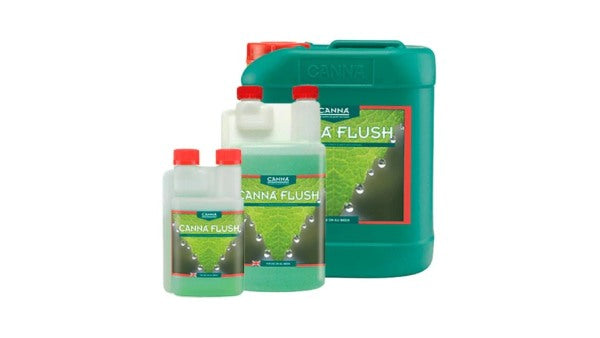
Canna Canna Canna
Canna Flush is an essential additive that helps clean nutrients in plants and substrates, ideal for use before harvest. Its special formula not only ensures the elimination of unwanted accumulations but also protects the beneficial microfloors of the soil, guaranteeing an optimal and natural development of the taste of your crops.
Canna Flush characteristics:
- Microorganism security: It does not negatively affect the beneficial bacteria of the soil or substrate.
- Versatility of use: Suitable for use in all culture media, including soil, coconut and hydroponic systems.
- Ideal to prepare the harvest: Optimizes the quality of the flavor and purity of the buds by eliminating nutrient waste before harvesting.
- Easy to use: Simple application according to the manufacturer's instructions guarantees effective results without risks for your plants.
This product is an excellent choice for growers seeking to ensure the highest quality and cleaning in their crops, while maintaining the integral health of the culture environment.
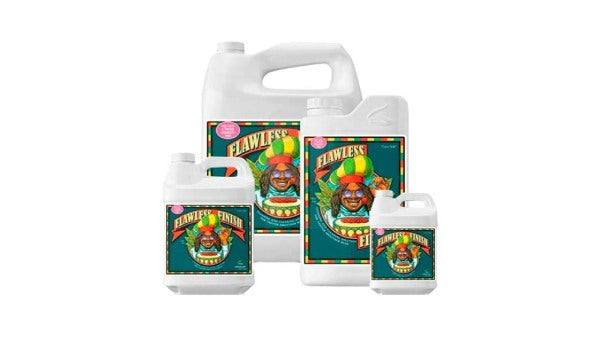
Flawless Finish Advanced Nutrients
Flawless Finish of Advanced Nutrients is a root cleaner Especially formulated to release your toxic accumulations plants, resulting in cleaner and better flavor buttons. Use a mixture of chelating agents to gently evict the excesses of nutrients from the plant's fabrics, ensuring a final harvest of high purity.
Flawless Finish Advanced characteristics Nutrients:
- Advanced Quelants: It helps effectively eliminating accumulated unwanted nutrients.
- Harvest quality improvement: Results in purest buds and with better flavor profile.
- Use in various media: Suitable for hydroponics, soil and other culture media.
- Easy integration: It can be easily incorporated into the normal fertilization regime during the last weeks before harvest.
- Safe for plants: Designed to be safe and effective, without damaging plants or altering the balance of the cultivation system.
Flawless Finish is ideal for growers who want to ensure that their plants are free of excesses at the end of the cycle, maximizing the quality and enjoyment of the final harvest.
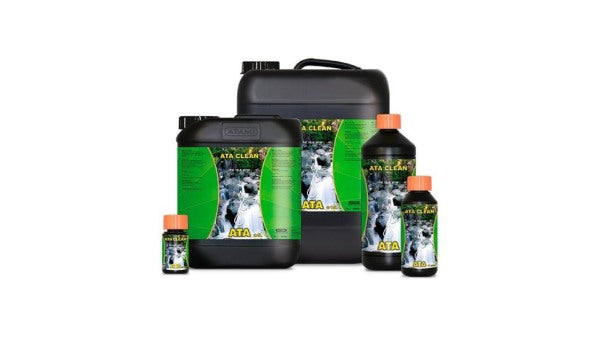
Atami Atami
Atami Atami is a powerful root cleaner formulated to maintain irrigation systems free of mineral deposits and salts. It is essential for growers who use frequent irrigation systems, helping to prolong the life of the system and ensuring optimal absorption of nutrients by plants.
Characteristics of ATA Clean Atami:
- Prevention of accumulation of salts: Effective in the elimination of mineral deposits and salts of the irrigation system.
- Compatibility with irrigation systems: Ideal for use in drip irrigation systems and other types of hydroponic systems.
- Improves system efficiency: It helps maintain the equipment in optimal conditions, reducing the need for frequent maintenance.
- Economic dosage: Efficient in small doses, which makes it long-term cost-effective.
- Versatile use: Apt for use in all types of crops and at any stage of plant development.
At Clean is an excellent solution to ensure that your cultivation systems remain clean and efficient, favoring a healthy growth environment for your plants.
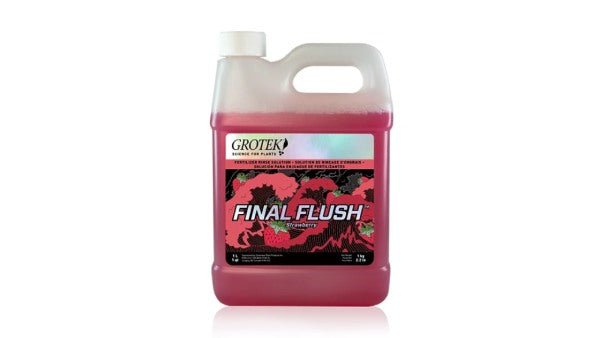
Grotek Flush Final
Grotek Flush final is a solution designed to eliminate excess salts and nutrients from the substrate at the end of the culture cycle. Its special formula helps ensure that the harvested buds are of the highest purity and quality, improving both the flavor and aroma of your plants.
Grotek Flor Final Characteristics:
- Salinity elimination: Effective to remove accumulations of salts, avoiding toxicity in plants.
- Variety of aromas: Available in different aromas to complement and enhance the terpenic profile of the harvest.
- Versatile in use: Apt for use in hydroponics, coconut substrates, and earth.
- Simple use: Easy to apply, suitable for cultivators of all levels of experience.
- Harvest benefits: It contributes to a better quality of the buds, free of pollutants and with more intense flavors.
Final Flush is ideal for growers looking for a clean and high quality final product, providing an effective intervention at the end of the culture cycle to ensure the best results in the harvest.
Cannabis root washing results
Root washing is an essential management technique in cannabis cultivation that, when done correctly, can offer multiple benefits in both short and long term. Next, we explore what you can expect after root washing and how this process can improve the health of your plants and the harvest quality.
What to expect immediately after root washing
- Temporary stress: Initially, plants can show signs of stress, such as lethargy or slight wilting, due to the sudden change in their root environment. This is normal and generally resolved in a few days as plants adapt.
- Improvement in nutrient absorption: After root washing, plants often experience an improvement in nutrient absorption efficiency. By eliminating excesses and blockages, the roots are better equipped to take the nutrients they really need.
- Increase in growth rate: With a healthier root system and less toxins on the ground or culture, it is common to observe a rebound in plant growth.
Short -term benefits
- Recovery of nutritional deficiencies: If plants were suffering from blockages or nutritional toxicities, root washing can help rectify these conditions, allowing visible recovery in the general health of plants.
- Radical disease prevention: By eliminating decomposition organic matter and potential pathogens of the culture medium, root washing can reduce the risk of root diseases.
- Plant resilience improvement: Plants with a clean and efficient root system are generally more resistant to the fluctuations of the environment, such as changes in moisture, temperature or water quality.
Long -term benefits
- Higher quality and harvest power: Effective root washing contributes to a better quality of the buds, with an improvement in the clarity of their aromas and flavors. This is particularly remarkable when washing is done before the flowering or harvesting phase.
- Increase in the production of cannabinoids and terpenes: Healthier plants are able to produce higher levels of cannabinoids and terpenes, the compounds responsible for the effects and aromas of cannabis.
- Sustainability of the crop: By reducing fertilizer and pesticide dependence and improving soil or culture health, root washing contributes to a more sustainable and less invasive cultivation approach.
Performing root washing is a practice that, although it may seem simple, has the potential to significantly transform the vitality and performance of your cannabis crops. By incorporating this technique in your care regime, you will be taking an important step towards a healthier and more productive crop.
When to avoid root washing
Although root washing can be very beneficial for cannabis plants under certain conditions, there are situations in which this practice may not be recommended or could cause unnecessary stress to plants. It is important to recognize these circumstances to avoid complications in the crop. Here I detail some scenarios in which you should avoid making root washing:
- Young plants or seedlings: Spentulas and young plants have still in development and are especially sensitive to sudden changes in their environment. Root washing at this early stage can be too aggressive and could damage its delicate roots, delaying its growth or even causing the death of the plant.
- During advanced flowering: In the last stages of flowering, plants are focused on developing buds, and root washing could stress them unnecessarily. This can result in a reduction in the quality and quantity of the harvest. Root washing at this stage should only be considered whether the benefits clearly exceed potential risks.
- Stressed plants: If your plants are already suffering from stress due to factors such as diseases, pests, physical damage or adverse environmental conditions, adding stress of root washing could worsen their condition. In these cases, it is better to address the underlying causes of stress before considering root washing.
- Extreme cold conditions: Performing root washing with cold water or in a cold environment can shock the roots, especially if the water temperature is considerably lower than that of the culture medium. This can slow down the plant's metabolism and negatively affect your health and growth.
- Hydropony with complex systems: In very complex or delicate hydroponic systems, especially those with precise nutrient and pH settings, root washing can unbalance the system. It is crucial to evaluate whether the benefit of root washing justifies the risk of destabilizing these carefully controlled systems.
- Excessive frequency: Performing too frequent roots can prevent plants from establishing an adequate nutrient balance, which could lead to deficiencies and other plant health problems. It is important to follow a well -planned nutrition and washing program based on the specific needs of your plants.
Root washing in hydroponic plants
Root washing in a Hydroponic system It is a bit different from that performed in soil cultivation systems due to the peculiarities of the culture media and the way in which plants access nutrients. Here I offer you a step -by -step guide adapted to hydroponic systems, along with some specific tips for this culture modality.
- System preparation: Before starting washing, make sure that the entire hydroponic system, including pumps and filters, is clean and working properly. This will help avoid the reintroduction of pollutants during the washing process.
- Water change: Empty the nutritious and limpial solution deposit to remove any residue or accumulation of salts. This is crucial to eliminate any source of excessive nutrients or pollutants.
- Adjust the water pH: Fill the tank with fresh and clean water, adjusting the pH to the appropriate level for cannabis cultivation, usually between 5.5 and 6.5. It is important to use water with the right pH to avoid additional stress to the plants during the washing process.
- Clean water flow: Clean water circulates through the system for 24 to 48 hours. This step is key to ensuring that any rest of nutrients and salts are completely dragged out of the system and the roots of the plants.
- Drain and drying: After circulating the clean water, completely drain the system and let the roots of the plants dry slightly. This helps oxygenate the roots and avoid rot or disease problems.
- Resume nutrition: Fill out the tank with a fresh and adequate nutritional solution for the current stage of plant growth, but considers starting with a lower concentration to avoid shock by nutrients.
Specific tips for hydroponic culture
- Frequent monitoring: In hydroponic systems, it is crucial to regularly monitor pH and electrical conductivity (EC) to detect any nutrient accumulation and adjust the nutritious solution as necessary.
- Use of enzymes: Consider the addition of specific enzymes for hydroponic systems that help keep the root system clean and decompose any dead organic material.
- Washing frequency: Performs periodic roots, especially before significant changes in the nutrient regime or critical stages of the plant's life cycle, as before flowering or harvest.
Root washing in hydroponic systems, if done correctly, can significantly improve the health and performance of your marijuana plants, ensuring that they receive the right amount of nutrients without the risk of accumulation or toxicity.