

In the world of Indoor culture, the creation of an optimal environment for our plants is essential. One of the most crucial aspects in this controlled environment is ventilation. Adequate ventilation not only regulates temperature and humidity, but also plays a vital role in the prevention of diseases and pests, while ensuring a uniform distribution of fresh and nutrient gases that plants need to prosper.
Within this system, Indoor fans emerge as silent heroes. These devices are fundamental to maintain a constant and effective, crucial air flow for the healthy development of the plant. Not only do they help simulate the natural air conditions that plants would receive abroad, but also contribute to strengthening their stems and leaves through the constant air movement. Therefore, the correct choice and placement of the fans in an Indoor culture environment is not only a matter of preference, but a critical decision that directly impacts the health and performance of our plants.
Where to place the fans in an Indoor Cannabis crop is one of the main issues of the cultivators. Place the fans strategically so that the air circulates throughout the plant, avoiding stagnation points and possible humidity problems. It places at least one fan at the bottom to strengthen the stems and another at the top to disperse the accumulated heat.
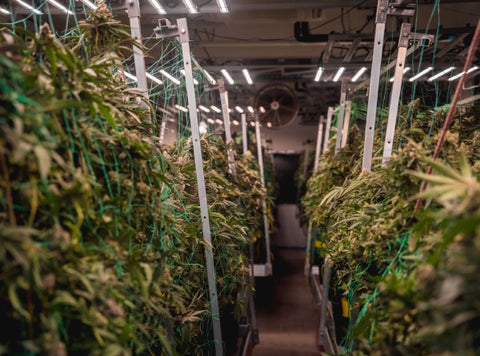
Ventilation in Indoor crops
Ventilation in Indoor crops is an essential element, but often underestimated, in interior gardening. This concept goes beyond simply moving air inside and outside a space. It is about creating an environment that mimics natural outdoor conditions, where plants not only survive, but prosper. An adequate indoor culture ventilation system is crucial to maintain a balance between several key environmental factors, including temperature, humidity, and carbon dioxide levels (CO2).
- Temperature and humidity balance: In a closed environment, such as an indoor crop, heat generation by growth lights and other equipment can quickly raise the temperature, creating a warm and humid environment conducive to the development of fungi and diseases. Ventilation helps to dissipate this heat and control moisture, maintaining a constant climate that is vital for the healthy growth of plants.
- Air renewal and CO2 supply: Plants need CO2 for photosynthesis. In a closed space, CO2 levels can decrease rapidly as plants consume it, limiting their growth. An efficient ventilation system ensures a constant air renewal, providing a fresh supply of CO2 and other necessary gases.
- Disease and pest prevention: Stagnant air is a crop broth for pests and diseases. Adequate ventilation reduces excessive humidity and accumulation of hot air, conditions that can encourage problems such as mold and mites. In addition, air flow helps strengthen plants, making them more pest resistant.
- Simulation of natural conditions: In nature, plants are accustomed to a certain amount of air movement, which stimulates its growth and strengthens its structure. In an indoor crop, ventilation mimics these natural conditions, promoting more robust and balanced growth.
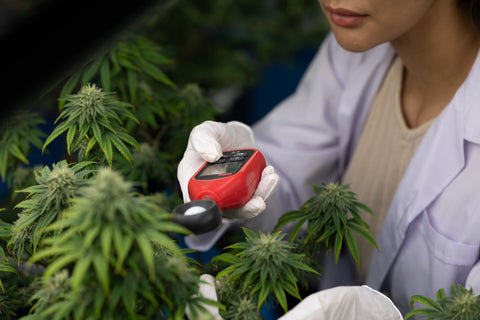
Types of Fans For your Indoor culture
When choosing fans for an Indoor culture, it is important to understand that not all fans are equal or serve for the same purposes. There are different types, each designed to fulfill specific functions within an Indoor ventilation system. Here we explore the most common types and offer advice to select the right one for your needs.
- Circulation fans or Oscillating fan: These fans are ideal for keeping the air in motion inside your cultivation space. Its oscillating movement helps prevent air from stinging and distributing temperature and humidity evenly. They are perfect for simulating a light breeze, which strengthens plants and prevents problems such as mold. Tip: Place these fans so that they do not blow directly on plants to avoid stress or wind damage.
- Extraction fans: Extraction fans are crucial to eliminate hot and humid air from culture space. They are usually installed at the top of the room or cultivation closet, where hot air tends to accumulate. Tip: Choose an extraction fan whose capacity is adequate for the size of your cultivation space. A too large fan can create an excessive air flow, while one too small will not be effective.
- Inline fans: These fans are generally used in conjunction with ducts to move the air through longer distances. They are ideal for more complex ventilation systems where air needs to be transported from or to areas outside the cultivation space. Tip: Make sure that the size and power of the inline fan are sufficient to handle the length and design of your pipelines.
- Fan with clamp or clip: They are small and versatile, perfect for small spaces or to direct the air to specific areas. These fans can easily be subject to edges or posts, offering a practical solution to improve air circulation at critical points. Tip: Use these fans to complement your main ventilation system, especially in areas that seem to have less air circulation.
He industrial fan Clivex Master is a good option since it has a versatile design that can be used standing, on the ground and on the wall.
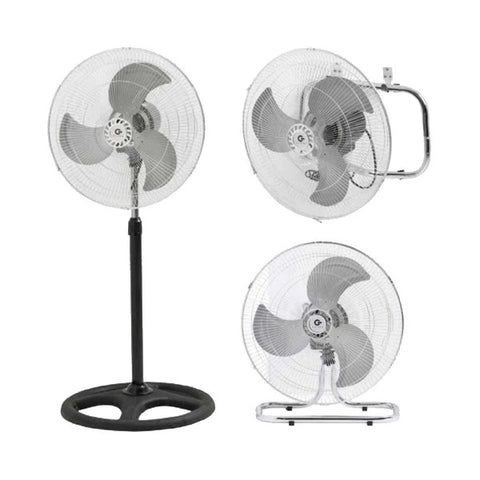
Choose the right fan
- Your space size: Consider the size of your culture area. A larger space will need more powerful fans or a greater number of them.
- Specific needs of your plants: Some plants require more air movement than others. Investigate the specific needs of your plants.
- Noise level: Some fans can be loud. If noise is a concern, look for models designed to function silently.
- Energy efficiency: Opt for fans who offer good air circulation without consuming too much energy.
Settings of an Indoor ventilation kit
Configuring an adequate ventilation kit for your Indoor culture is a crucial step to guarantee an optimal growth environment. Here I present a step -by -step guide to configure your ventilation kit, along with examples of kits available in the market.
Step 1: Suitable ventilation kit selection
- Evaluate the size of your space: Choose a kit that adjusts to the volume of your cultivation space. Kits are usually classified by the size of the area that can effectively ventilate.
- Consider the needs of your plants: Some plants may require more air circulation than others. Make sure the kit can meet those specific needs.
- Check the kit components: A typical Indoor ventilation kit can include an extraction fan, an oscillating fan, ducts, coal filters (for odor control) and clamps.
Step 2: Extraction fan installation
- Location: Install the extraction fan in the highest part of the space, since the hot air rises.
- Ducts connection: Connect the ducts to the fan, making sure that the air flow is directed out of the culture area.
Step 3: Placement of coal filters (if applicable)
- Smell control: If your crop generates odors, install a coal filter in the extraction duct to neutralize them before the air comes out of space.
- Connection: Make sure the filter is well connected and sealed to avoid air leaks.
Step 4: Installation of oscillating or circulation fans
Air distribution: Place these fans so that they distribute the air evenly, but without directing the plants to avoid damage.
Step 5: Test and adjustment
- Verification: Once everything is installed, turn on the system and observe the air flow. Make sure there are no stagnant air areas.
- Settings: You may need to adjust the position of the fans or the system configuration to optimize the circulation.
Examples of ventilation kits in the market:
- Basic kit: Ideal for small spaces, you can include an extraction fan, a coal filter and pipelines.
- Advanced kit: For larger spaces, with more powerful extraction fans, multiple oscillating fans, carbon filters with greater capacity and mounting accessories.
- Personalized kit: Some suppliers offer customizable kits according to the specific needs of your space and type of culture.
Where and how to place the fans in your Indoor culture
The strategic placement of fans is essential to maximize their efficiency and guarantee a healthy culture environment. Here I offer you specific details about where and how to place the fans, along with tips to make the most of their operation.
Extraction fans
- High location: Place the extraction fan in the highest part of your culture space. The hot air tends to climb, so this position facilitates the efficient elimination of hot and humid air.
- Far from plants: Make sure the fan is not too close to plants to avoid stress caused by direct air flow.
Oscillating or circulation fans
- Average height: Place these fans at a medium height in the fourth or cultivation closet. They must be oriented in such a way that the air circulates throughout the area, but without pointing directly to the plants.
- Corners: Consider locating them in the corners to distribute the air more uniform.
Clip or clamp fadters
- Specific areas: Use them to direct the air flow to specific areas that need more circulation. They are ideal for eliminating dead points of stagnant air.
- Flexibility: Take advantage of your design to adjust and reposition them as necessary.
Tips for maximizing the efficiency of fans
- Avoid plants stress: Make sure the air flow is not too strong in any particular plant to avoid stress or physical damage.
- Monitor temperature and humidity: Use thermometers and hygrometers to monitor the environment. Adjust the speed and position of the fans as necessary to maintain the optimal conditions.
- Regular cleaning: Keep the fans clean to ensure efficient operation. Dust and dirt can reduce their effectiveness.
- Experience with the position: There is no unique rule for the placement of fans. Experience with different positions until you find the configuration that works best for your space and your plants.
- Use of timers: Consider using timers to control ventilation cycles, especially if your crop requires calmer air periods.
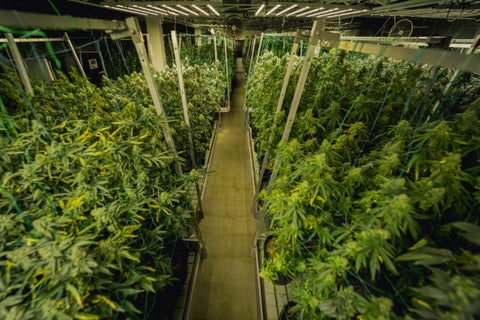
Creating an effective ventilation system in your Indoor culture
Configuring an effective ventilation system is crucial for the success of any Indoor crop. It is not only about moving air, but also creating a controlled environment that favors the healthy growth of plants. Here I explain how to configure a complete Indoor ventilation system and the importance of ensuring good air circulation and removal of hot points.
1. needs evaluation and planning
- Determine the volume of your space: Calculate the volume of your culture area (long x high x) to understand the necessary air flow.
- Choose the appropriate components: Based on the volume, select an extraction fan and oscillating or circulation fans that can effectively handle that volume of air.
2. Extraction fan installation
- Location at the top: Install the extraction fan in the highest part of the space to remove hot air.
- Air ducts: Make sure the ducts are well sealed and direct the air to the outside of the cultivation space.
3. Coal filters configuration (if necessary)
- Odor control: Incorporates a coal filter in the extraction system if you need to control smells.
- Efficiency: Verify that the coal filter has the appropriate capacity for the size of your fan and space.
4. Installation of oscillating and circulation fans
- Uniform air distribution: Place these fans so that the air moves throughout the space, but without pointing directly to the plants.
- Height and position: Experiment with different heights and positions to avoid dead areas of stagnant air.
5. Elimination of hot spots
- ID: Use thermometers to identify hot points in your culture space.
- Callers of clamp: Use clamp fans to direct the air to these areas and dissipate heat.
6. Monitoring and constant adjustments
- Monitoring tools: Use thermometers and hygrometers to constantly control temperature and humidity.
- Settings: Based on your observations, adjust the speed and position of the fans as necessary.
7. Regular maintenance
- Cleaning: Keep the fans and clean filters to ensure their optimal operation.
- Duct inspection: Regularly check the air ducts to make sure they are free of obstructions and leaks.