
Outdoor marijuana culture is an ancient practice that has evolved over time, adapting to various techniques and environments. At present, the cultivation of exterior marijuana in the pot has been popularized by its flexibility and ease, allowing cultivators, both experienced and newbies, to take advantage of the natural benefits of outdoor cultivation combined with the control offered by the use of pots.
This marijuana cultivation technique has become an ideal option for those who seek as planting Maria abroad, especially for those who wish to grow in small spaces or urban environments. The use of pots allows better space management and is a perfect solution for the cultivation of marijuana at home. In addition, it facilitates the control of soil conditions, a crucial factor for the optimal development of the plant.
The forms of marijuana culture in pots abroad allow cultivators to follow a "step by step and structured method. From the selection of the appropriate pot to the harvest process, each stage can be carefully controlled. External marijuana care pots include irrigation regulation, nutrition, and sun exposure, thus allowing cultivators to adapt their approach to the specific needs of each plant.

Differences between crop in interior and exterior
- Environmental conditions: Outdoors, marijuana plants are exposed to natural conditions such as direct sunlight, climatic fluctuations and natural cycles of day and night. This contrasts with the controlled environment of an inner crop, where light, temperature and humidity are artificially regulated.
- Space and growth: The exterior crop in pot offers a limited space for the roots compared to the open soil, but more than in an inner environment. This directly affects the size and development of the plant.
- Costs and maintenance: Generally, marijuana exterior culture in pot is less expensive than the interior, since natural sunlight is used and less equipment is required. However, exterior plants may require more attention to protection against pests and adverse climatic conditions.
Specific crop advantages in pot
- Soil control: The pots allow total control over soil quality, which is crucial for the health of marijuana plants. This is especially beneficial in areas where natural soil is not ideal for cannabis cultivation.
- Mobility: A great advantage of using pots is the possibility of moving the plants as necessary, either to adjust the exposure to the sun, protect them from extreme climatic conditions or protect them from indiscreet looks.
- Adaptability to small spaces: The pot in pot is ideal for those who do not have a wide garden, allowing cultivation on balconies, terraces or small courtyards.
How to grow exterior marijuana in flowerpot
To efficiently carry out the culture of exterior marijuana in a pot, the following steps must be followed:
Choice of appropriate pots
One of the most critical decisions in the cultivation of exterior marijuana in pot is the choice of the right pot. This choice directly influences the health and growth of plants. The key factors to consider include the size, material and design of the pot, especially in terms of drainage and aeration.
Types of pots: size and materials
The key factors to consider include the size, material and design of the pot:
- Pot size: The size of the pot must be sufficient to accommodate the growth of the roots. As a general rule, a pot of at least 5 gallons (approximately 19 liters) is recommended for an adult marijuana plant. However, this can vary according to the strain and space available. Larger pots allow greater root development, which translates into larger and possibly higher performance plants.
- Materials: The plastic pots They are light, economical and retain moisture. However, they may not offer the best aeration and can heat too much if they are exposed to direct sunlight. The fabric pots They allow excellent aeration and drainage. They promote healthy root growth avoiding circular rooting. They are ideal for warmer climates, since they help keep the root system fresh. The ceramic or mud pots They are heavy and stable, they offer good aeration and aesthetics, but they can be more expensive and difficult to move. They are suitable for plants that will remain in a fixed place.

Importance of drainage and aeration
As for drainage and aeration:
- Drainage: A good drainage is crucial to avoid ground flooding, which can lead to the rot of the roots and other health problems of the plant. The pots must have sufficient drainage holes in the base. To improve drainage, you can place a layer of inert material, such as stones or expanded clay, at the bottom of the pot before adding the substrate, or using a substrate formed with volcanic rocks.
- Aeration: Soil aeration is essential for healthy root growth. A well aerated soil allows adequate absorption of nutrients and oxygen. The fabric pots And the pots with porous walls, such as ceramics, improve aeration, allowing air to circulate around the roots.
Selection of the Seeds
The selection of the appropriate seeds is a fundamental step in the exterior marijuana culture process in pot. There are different types of cannabis seeds, each with its own culture characteristics and requirements. The choice of the right strain depends on several factors, including the climate, the available space and the personal preferences of the cultivator.
- Self -confloring: Self -floring seeds are known for their ability to bloom automatically after a fixed period of time, regardless of the light cycle. They are ideal for rookie growers and for those who want a quick and simple harvest. Its generally more compact size makes them appropriate for crops in pots and small spaces.
- Feminized: Feminized seeds are designed to exclusively produce female plants, which are the ones that produce the buds. They are preferred by those who wish to avoid the risk of growing male plants, which do not produce buds and can pollute females, reducing harvest quality.
- Regular: Regular seeds will produce a mixture of male and female plants. They are more often used by experienced cultivators interested in parenting and development of new strains. They require a deeper knowledge of the crop, since it is necessary to identify and separate male plants to avoid pollination.
How to choose the best strain for marijuana exterior culture in pot
- Climatic considerations: It is essential to choose a strain that adapts to the local climate. Some strains are more resistant to cold or hot climates, while others require more specific conditions.
- Plant size: The strains vary in size. For potting culture, it is advisable to choose strains that naturally grow to a manageable size.
- Flowering time: Each strain has a different flowering period. Shorter flowering times can be preferable to those looking for a quick harvest.
- Performance and power: Evaluating the expected performance and the power of the strain is important. Some strains offer high yields or levels of THC and CBD, which can influence the decision.
Soil and nutrient preparation
The proper preparation of the substrate and the management of nutrients are essential in the exterior marijuana culture in pot. A well chosen substrate and a correct balance of nutrients are key to the healthy development of plants.
- Clay substrate: Dense, it retains water well but you can miss drainage and aeration.
- Sandy substrate: Good drainage and aeration, but poor in water and nutrient retention.
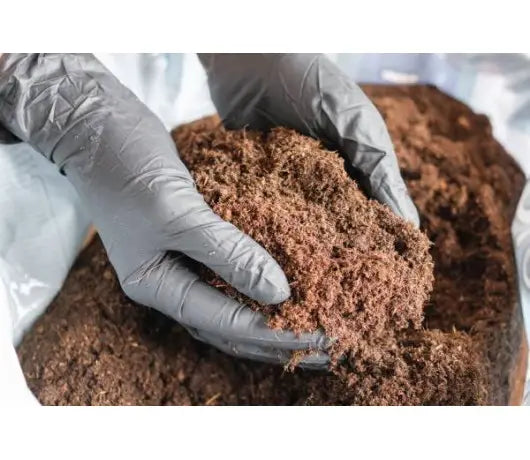
- Coconut substrate: Made of coconut fibers, this substrate is light and has good water and aeration retention.
- Prepared substrates: Popular option, balanced for cannabis in pH and nutrients.
- Organic amendments: Compost, Lombriz humus, Perlita and Vermiculite They improve soil quality.
Fertilizers With essential nutrients and balance
- Nitrogen (n): Vital for vegetative growth, necessary in high amounts at the beginning.
- Phosphorus (P): Key to the development of roots and flowers, demand greater in flowering.
- Potassium (k): Important to the general health of the plant and the formation of buds.
- Micronutrients: Calcium, magnesium, iron and sulfur are also necessary.
- Balance according to stages: In growth, more nitrogen; In flowering, more phosphorus and potassium.
- pH of the ground: Maintain between 6.0 and 7.0 for optimal absorption of nutrients.
A well -selected soil and a balanced nutritional plan are fundamental for success in the exterior marijuana crop step by step in a pot. These factors ensure that plants receive everything necessary for optimal growth and abundant production.

Irrigation and water management
The proper irrigation is crucial in the cultivation of exterior marijuana in pot. Both the frequency and the amount of water, as well as their quality, play an important role in the health and performance of plants.
- Growth stages: Irrigation needs vary according to the plant's growth stage. Young seedlings need frequent irrigation but in less quantity, while mature plants may require water in greater volume but less frequently.
- Type of soil and climate: More sandy soils require more frequent irrigation, while clay soils retain water for longer. The weather also affects irrigation; In warm and dry climates, plants may need water more often.
- Soil verification: Before watering, it is important to verify soil moisture. A common way is to introduce a finger into the ground to approximately an inch; If the ground is dry at that depth, it is time to water.
- Irrigation to the point of drainage: It is vital to water until the water begins to go out through the drain holes of the pot, thus ensuring that all the dough of roots receives moisture.
Importance of water quality
- pH of water: The pH of irrigation water must be in a range of 6.0 to 7.0, similar to that of the ground. A pH outside this range can affect the availability of nutrients and the health of plants.
- Mineral content: Water with a high mineral content (hard water) can lead to the accumulation of salts in the soil, which can be harmful to plants. In some cases, it may be necessary to use filtered or distilled water.
- Water temperature: Irrigation water should not be too cold, since plants can surprise and slow down their growth. A temperature close to that of the environment is ideal.

Light control and Climate control
Light and temperature control is essential as an external marijuana culture in pot. These environmental factors directly influence the growth, health and production of plants.
- Vegetative phase: During the vegetative phase, marijuana plants benefit from long hours of light, ideally between 18 to 24 hours of light a day. Outside, this depends on the station and the geographical location.
- Flowering phase: To start flowering, plants require a shorter light cycle, usually 12 hours of light and 12 hours of darkness. This happens naturally outdoors as the days shorten towards the end of summer and autumn.
- Self -floring strains: Self -floring strains They do not depend on the light cycle to bloom, but they still benefit from long hours of light for optimal growth.
Temperature management and protection against climatic elements
- Ideal temperature range: Marijuana plants generally thrive in temperatures between 20 ° C and 30 ° C. Temperatures outside this range can affect the growth and health of plants.
- Cold protection: In cold climates, it is important to protect plants from low night temperatures and frost. The use of coverage, such as plastics or cultivation blankets, may be necessary.
- Excessive heat protection: In very warm climates, plants may need shade during the hottest hours of the day. Shaw meshes can be used or placed in partially shaded areas.
- Winds and strong rains: In areas with strong winds or heavy rains, plants may need additional protection, such as wind barriers or strategic placement to avoid damage.
Pruning and maintenance of plants
Appropriate pruning and maintenance are essential in the cultivation of exterior marijuana in pot. These practices "care of an exterior marijuana plant" not only improve the health and appearance of plants, but can also maximize the production of buds and help in the control of pests and diseases.
Pruning techniques To maximize production
- Under stress pruning (LST): Bajo stress implies bending and binding the branches to expose more from the plant to light, thus improving production without significant stress.
- Apical Poda or Topping: It consists of cutting the tip of the main floor to encourage the growth of multiple queues, resulting in more places for the production of buds.
- FIM (Fuck I Missed): Similar to the toping, but less drastic. The tip of the plant is partially cut to stimulate the growth of more queues.
- Failed: Eliminating larger leaves can improve exposure to light of developing buds and improve air circulation.
Pest and disease control
- Prevention: Prevention is key in control pests and diseases. Maintaining a clean environment and regularly monitoring plants can help identify problems before they aggravate.
- Biological control: Using natural predators, such as louges for mites, can be an effective and ecological way to control pests.
- Organic pesticides and fungicides: If necessary, organic pesticides and fungicides can be used. It is important to choose safe and specific products for cannabis.
- Disease management: Diseases such as mold and roots rot can be a challenge. Controlling moisture, ensuring good drainage and using clean substrates are fundamental practices for preventing diseases.

Harvest and drying
The final phase and one of the most rewarding of the exterior marijuana culture in pot is the harvest, followed by the drying and cured processes. How to plant Maria at home? These stages are crucial to ensure the quality and power of the final product.
- Adequate time for harvesting: The determination of the right moment to harvest is crucial. This is done by observing the trichomes (small resinous glands) in the buds. When most trichomes have a milky or amber appearance, it is time to harvest. The sheets surrounding the buds can also give clues, such as changes in color or wilting.
- Harvest method: The harvest must be done carefully so as not to damage the trichomes. Use clean and sharp pruning scissors to cut the button or branches. It is recommended to harvest during the freshest hours of the day to preserve the terpenes and cannabinoids.
Drying and curing process
- Drying: The buds should be hung in a dark, fresh and good air circulation. The ideal temperature is between 18 ° C and 22 ° C, with a relative humidity of 45-55%. The drying process usually lasts between one and two weeks. It is important to avoid direct light and strong air currents, which can degrade cannabinoids and terpenes.
- Cured: Once dry, the buds are placed in airtight jars, preferably glass. During the first weeks, it is important to open the jars regularly to "ventilate" the cogollos (a process known as "burping"). The right curing can take two weeks to several months. This process significantly improves the quality, taste and softness of smoke.
The harvest, drying and cure are essential stages in the cultivation of exterior marijuana in pot. Determining the right time to harvest and follow adequate drying and cured practices are fundamental to ensure the highest quality and power of marijuana buds. These processes require patience and detail attention, but the final result is gratifying for any cultivator.

Necessary products and tools
For an exterior marijuana culture in successful pot, it is essential to have adequate products and tools. This section offers a list of the essential elements:
List of essential products
- Pots: Choose the appropriate size and material (plastic, fabric, ceramics).
- Substrates: Specific substrates for cannabis or mixtures of land of good quality, complemented with perlite, vermiculite or compost.
- Fertilizers and nutrients: A variety of specific fertilizers for the different phases of the growth and flowering of marijuana.
- Pruning tools: Sharp pruning scissors, gloves and tools for low stress techniques (LST).
- Irrigation systems: Showers, drip irrigation systems or sprayer, depending on the size of the crop.
- Measurement instruments: pH-metters and soil moisture meters.
- Protection against pests and diseases: Organic pesticides and fungicides, as well as biological pest controllers.
- Materials for drying and curing: Hooks or ropes to hang buds, hermetic bottles for the cure.