
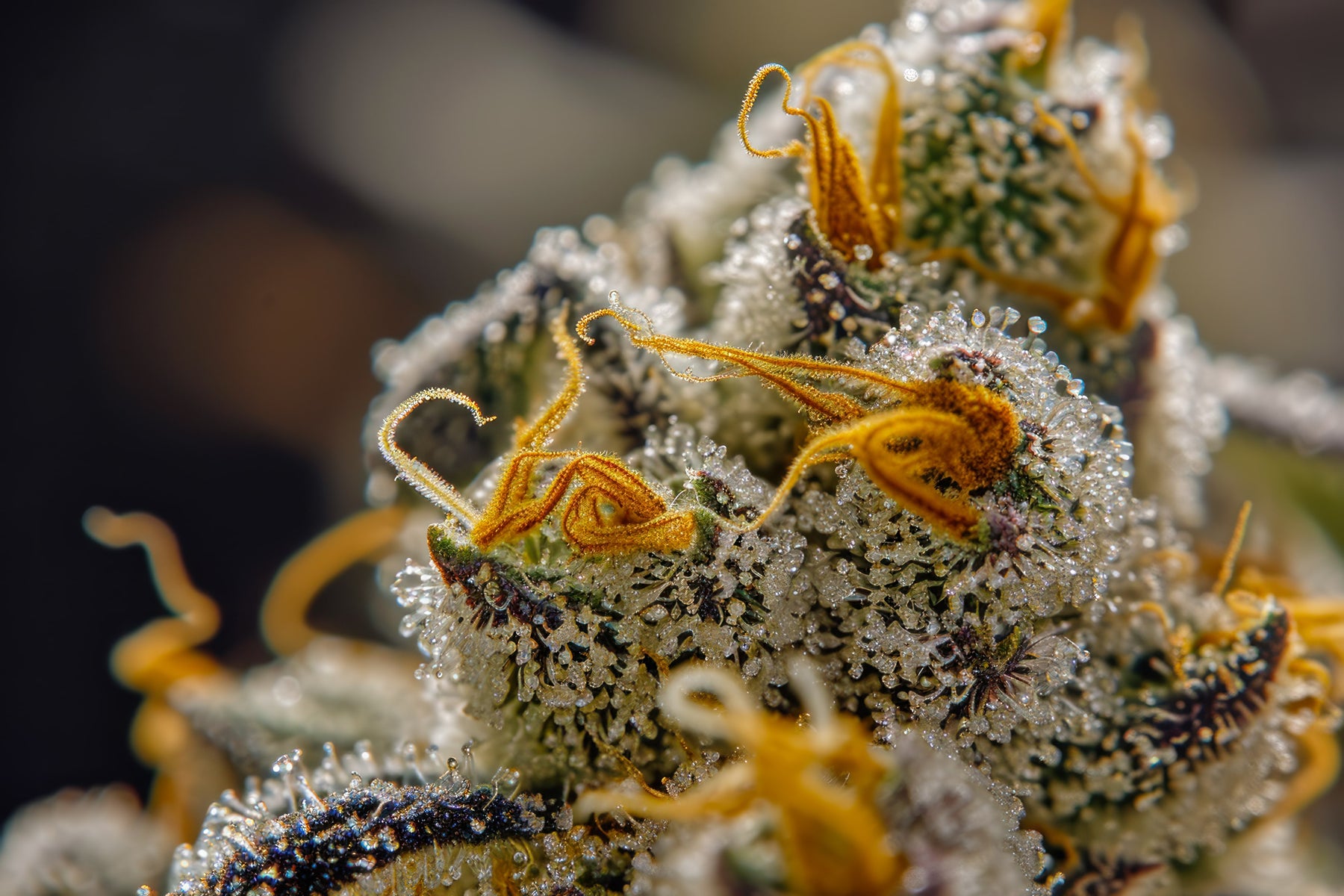
The trichomas of cannabis, those lowercase and bright structures that cover the flowers and leaves of the plant, are much more than simple natural ornaments. They are the guardians of the precious compounds that define the quality and power of cannabis, such as Thc trichomes and other cannabinoids, in addition to essential terpenes that confer aroma and flavor. These tiny chemical compound factories play a crucial role in the protection of the plant against predators and adverse environmental conditions.
However, an interesting challenge arises here: how to see trichomas without magnifying glass or microscopy equipment? For the passionate grower or cannabis fan, this question is not trivial. The ability to identify the state of trichomes to cut is crucial to determine the optimal moment to cut and harvest, thus maximizing the desired power and profile of the THC. Although specialized tools for this task has traditionally been dependent on this task, this article enters in innovative and accessible methods that allow the beauty and complexity of cannabis trichomes to be appreciated without the need for a magnifying glass.
To observe trichomes without magnifying glass, use direct light and a smartphone with a high resolution camera. Storm as much as possible and use the digital zoom to capture details. Clarity will depend on the quality of the camera.
Techniques to observe trichomas without magnifying glass
Although magnifying and microscopes are useful tools, there are alternative and creative methods to observe cannabis trichomes without the need for specialized equipment. These methods take advantage of daily technology and some simple techniques to facilitate observation.
Use of smartphones and cameras with zoom
- Smartphones: Most modern smartphones have cameras with impressive zoom and macro capabilities. When using the camera function in macro mode or simply applying the zoom, you can get a nearby view of the trichomes. Some camera apps even more control over the approach and exposure, which improves the quality of the image.
- Digital cameras: Cameras with a good optical zoom can also be used to observe trichomes. Although they are not as accessible as smartphones, they provide high quality images that can reveal fine details of trichomes.
Lighting techniques and angles
- Adequate lighting: Correct lighting is crucial. Natural light is ideal, but if it is in an inner environment, a bright white light can be used. Direct lighting on the plant can help highlight trichomes, making them more visible.
- Observation angles: Experimenting with different angles can significantly improve the visibility of trichomes. Sometimes, a slight change of perspective can cause trichomes to reflect light so that they become more evident.
Practical tips
- Patience and stability: Maintaining a firm pulse or supporting the device on a stable surface can reduce the blur and allow a clearer observation.
- Experimentation: Not all smartphones or cameras are the same. It is important to experiment with different settings and ways to find what works best with the available equipment.
- Use of accessories: Accessories such as additional macro lenses that can be attached to smartphones can improve visualization capacity without significant cost.
These techniques show that, with a little creativity and the use of technology that many already have at home, it is possible to obtain a good view of cannabis trichomes without the need for specialized tools such as magnifying and microscopes.
Traditional observation methods
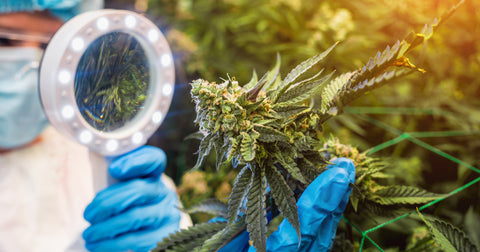
When talking about observing cannabis trichomes, conventional methods such as the use of magnifying and microscopes have long been the favorite tools. These instruments allow a detailed view of these microscopic structures, revealing aspects that are invisible to the naked eye.
Magnifying glasses
The magnifying glasses are optical instruments with a lens that magnifies the objects. For cannabis, hand or support magnifying magnifications are used, with magnifications that generally vary between 30x and 100x.- Advantages: They are portable, relatively economical and easy to use. They allow a rapid and direct observation of trichomes.
- Limitations: The magnification is limited compared to microscopes, and sometimes it can be difficult to keep the magnifying glass for detailed observation, especially with hand models.
Microscopes
Microscopes offer higher magnifications and a more detailed vision. The models used for cannabis vary from digital microscopes to those with the capacity to connect to a smartphone or computer.
- Advantages: They provide a very detailed image of trichomes, which is useful for a precise inspection of their maturity and state. Some models allow photographs or videos for a more detailed analysis.
- Limitations: They can be more expensive and less portable than magnifying glasses. In addition, they require greater skill and patience to focus correctly and obtain clear images.
Interpreting what you see
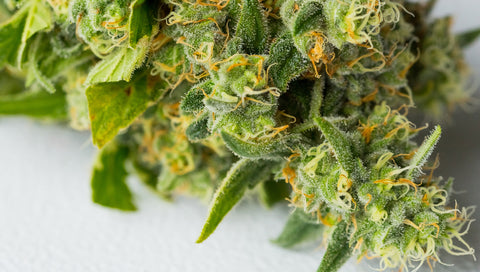
Once you have managed to observe the trichomas of cannabis, the next step is to interpret what you see. The maturity of trichomes is a key indicator to determine the ideal time for harvest, directly affecting the power, effect and taste of the final product. Trichomas can appear in different coloration states: clear, bed and amber, each indicating a different phase of maturity.
Identification of the maturity of trichomes
- Clear trichomes: They indicate immaturity. At this stage, the plant is still developing its cannabinoid content. The harvest at this point would result in a less powerful product.
- Decorate trichomes: They point out optimal maturity for most varieties. This phase indicates a high level of THC. The harvest at this time tends to produce a more brain or energizing effect.
- Amber trichomes: Suggest a degradation of the THC in CBN. This stage may indicate a more sedative or relaxing effect. Some growers wait for a certain proportion of trichomes from reaching this state to harvest, looking for a specific balance of effects.
Relationship with the moment of harvest
- The optimal harvest moment depends on the desired effect. For a maximum power in thc trichomes, most growers harvest when most trichomes are bedroom, with some starting to become amber.
- Cultivators looking for more soothing or relaxing effects can wait until a greater proportion of trichomes has become amber.
- The regular observation of trichomes during the flowering phase allows cultivators to make informed decisions about the harvest time to achieve the desired profile.
To correctly interpret the state of the trichomes is an essential skill for any cannabis cultivator, since it directly influences the quality and type of experience that the harvest will provide. Through careful observation and understanding of these indicators, the potential of each plant can be maximized.

Practical tips and precautions
When observing trichomes without magnifying glass, it is important to adopt practices and precautions that maximize the effectiveness of the techniques used and, at the same time, protect the integrity of the cannabis plant and the quality of their trichomes. Here are some tips and precautions to take into account:
Tips for maximizing effectiveness
- Stability when taking photos or videos: To avoid blurred images, especially when using zoom or macro modes in cameras and smartphones, make sure you have a firm hand or use a support or tripod.
- Improve lighting: Use an additional light source if necessary. A small LED light or even the phone flashlight can improve the visibility of trichomes.
- Keep the lens clean: A dirty lens can distort the image. Make sure the lens of your device is clean to obtain the best possible image quality.
- Use advanced camera apps: If your smartphone allows it, use camera applications that offer greater control over focus, exposure and white balance.
- Practice and patience: As with any skill, practice leads perfectly. Ded time to experiment with different techniques and configurations to find what works best for you.
Precautions to protect the plant and trichomes
- Careful manipulation: Avoid touching the butt and leaves with trichomes as much as possible. Trichomas are delicate and can be easily detached or damaged.
- Avoid shaking and blows: When manipulating the plant to observe different angles, do it gently so as not to shake or hit the buds.
- Environmental control: If you are cultivating indoors, keep stable environmental conditions (temperature, humidity) while observing the trichomes to avoid stress in the plant.
- Equipment cleaning: If you use an additional accessory or equipment, make sure you are clean and free of substances that can contaminate or damage the plant.
- Observation during the appropriate phase: It begins to observe the trichomes only when the plant has entered the advanced flowering phase to avoid unnecessary disturbances in early growth stages.