
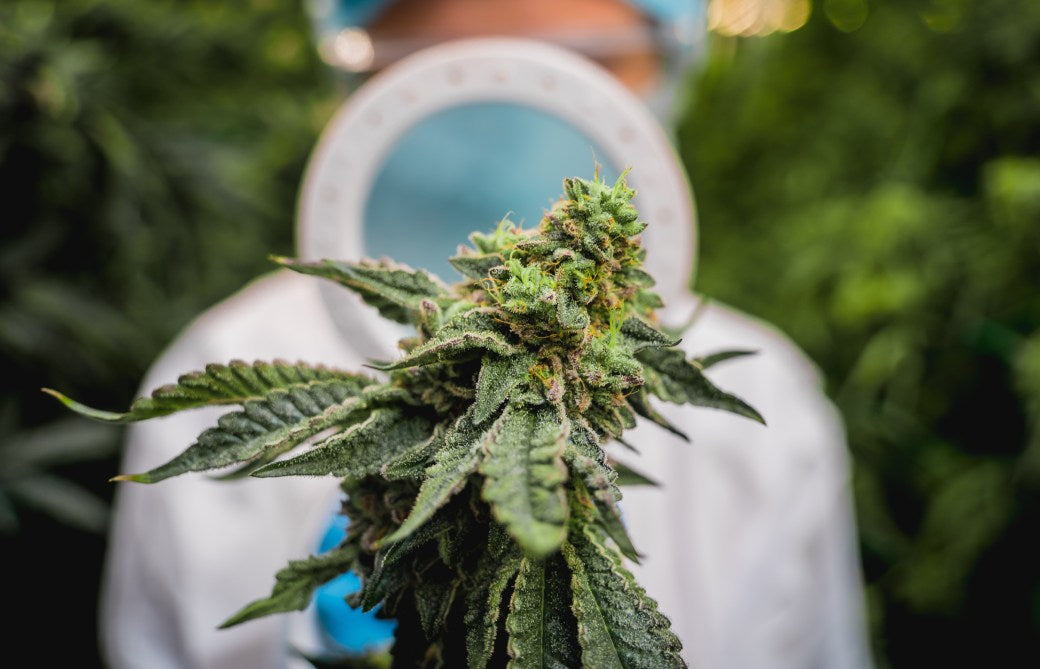
When we talk about cannabis, we often focus on aspects such as the power and appearance of the buds. However, there is an element that can be equally significant: the aroma. This is not only a component of the sensory experience, but also an indicator of the quality and chemical composition of the plant. The terpenes, responsible for the smell, play a crucial role in the definition of the unique characteristics of each strain.
In the world of cannabis cultivation, a common problem that bewildered both rookie and experienced growers is when they are saying: "My buds have no smell". This situation can be disappointing, since the aroma is an essential part of what it does to each unique and desired strain. The lack of smell may indicate several problems or deficiencies in the cultivation process, from genetics to curing techniques.
Why do my buds have no smell
To understand why some buds lack smell, it is crucial to explore the different variables that influence the production of terpenes, the compounds responsible for the aroma in cannabis plants. The absence or weakness of the smell in the buds may be the result of a series of factors, each of which deserves detailed attention to optimize the crop.
Genetics influences aroma
The aroma is one of the most distinctive and coveted characteristics of cannabis, and is closely linked to its genetics. Cannabis strains vary significantly in their land profiles, organic compounds responsible for their unique aromas and flavors. Some strains are naturally more aromatic than others due to their genetic composition.
When cannabis buds lack the expected aroma, this may be a sign that strain genetics is not optimized to produce high levels of terpenes. The terpenes are synthesized by the resin glands of the plant and are influenced by a variety of factors, including genetics. Some strains are genetically scheduled to produce more subtle ground profiles, while others have an inherent capacity to produce intense and complex aromas.
It is important to keep in mind that the lack of aroma does not necessarily indicate a low quality of cannabis. Some strains are designed to have more discreet terper profiles, which can be preferred by some consumers. However, if you are looking for a cannabis with a distinctive and powerful aroma, it may be beneficial to investigate and select strains known for its rich and complex terpery profiles.
In summary, genetics plays a fundamental role in the production of aromas in cannabis buds. If your buds do not have the expected smell, it could be indicative that strain genetics is not oriented towards high terpenous production. When selecting strains for cultivation, it is important to consider genetic composition and look for those known for their desirable aromas.
Environmental conditions influences the aroma of the buttles
Cultivation conditions play a fundamental role in the production of aromas in cannabis plants. The environment in which plants grow can influence the synthesis of terpenes, the organic compounds responsible for the distinctive aromas of cannabis. Factors such as light, temperature, humidity and soil can affect the production of terpenes and, therefore, the aroma of the buds.
- Lightning: The intensity and spectrum of the light that plants receive during their growth cycle can influence the production of terpenes. Intense and adequate light, especially during the flowering phase, can stimulate the production of terpenes and promote more complex aroma profiles.
- Temperature: The temperature of the culture environment can have a significant impact on the synthesis of terpenes. Warmer temperatures can favor the production of certain terpenes, while colder temperatures can inhibit their production. It is important to maintain stable and adequate temperature conditions to maximize the production of terpenes.
- Humidity: Relative air humidity can also influence the production of terpenes. An environment too dry or too humid can negatively affect the synthesis of terpenes and reduce aroma quality. It is important to maintain adequate humidity levels to promote optimal land production.
- Floor: The composition and quality of the soil in which plants grow can influence their ability to produce terpenes. A soil rich in nutrients and organic matter can provide plants with the necessary elements to synthesize high quality terpenes. It is important to maintain a healthy and well balanced soil to promote the production of desirable aromas.
In summary, cultivation conditions, including light, temperature, humidity and soil, can have a significant impact on the production of terpenes and, therefore, on the aroma of cannabis cogollos. An adequate and well balanced cultivation atmosphere can favor greater production of terpenes and promote more complex and desirable aroma profiles in cannabis plants.
Nutrition and irrigation affect the smell of the butterfly
Adequate nutrition and irrigation are essential components for the production of terpenes and, therefore, for the development of the characteristic aroma in cannabis plants. An adequate nutrient balance is crucial for the terper synthesis process, and both supercharging and nutrient deficiency can have a negative impact on the plant's ability to develop its desired aroma.
- Nutrient balance: Cannabis plants require a variety of nutrients for healthy growth and optimal terpenes production. This includes macronutrients such as nitrogen, phosphorus and potassium, as well as micronutrients such as iron, zinc and manganese. An adequate nutrient balance is crucial to promote the production of terpenes and avoid imbalances that may negatively affect aroma development.
- Supercharging: Nutrient supercharging can be as harmful to plants as nutrient deficiency. Excess nutrients can cause stress in plants and affect their ability to produce terpenes. In addition, certain excess nutrients can alter terpery profiles and result in unwanted or less complex aromas in the buds.
- Nutrient deficiency: On the other hand, nutrient deficiency can also negatively affect the production of terpenes and the development of the aroma. A plant that does not receive the necessary nutrients may experience poor growth and reduced terpery production. It is important to closely monitor nutrient levels in the soil and provide plants with the necessary nutrients for healthy development.
- Irrigation Appropriate: In addition to nutrition, proper irrigation also plays an important role in the production of terpenes. Water is an essential component in the process of synthesis of terpenes, and plants need an adequate amount of water to produce desirable aromas. Excessive or insufficient irrigation can affect the health of plants and their ability to produce quality terpenes.
In summary, adequate nutrition and irrigation are fundamental for the production of terpenes and the development of the characteristic aroma in cannabis plants. Maintaining an adequate nutrient balance and providing consistent and adequate irrigation are key steps to promote the production of terpenes and ensure the quality of the aroma in cannabis buds.
Stress affects the smell of the butt
Stress management in cannabis plants is crucial to maintain their health and promote optimal terpenes production, the compounds responsible for cannabis characteristic aromas. Stress in plants can be caused by a variety of factors, including sudden changes in the environment, physical damage, diseases and adverse cultivation conditions. These factors can alter the normal development of plants and negatively affect their ability to produce quality terpenes. Here are some key points on stress management in cannabis cultivation:
- Stable atmosphere: Maintaining a stable and consistent cultivation environment is essential to reduce stress in plants. This includes maintaining optimal temperature, humidity and light conditions, as well as avoiding sudden changes in these conditions that may cause stress to plants.
- Careful management: Manipulating plants carefully and avoiding damaging them during crop is important to minimize stress. This includes avoiding physical damage during plants manipulation, as well as providing adequate support to prevent wind or fall damage.
- Prevention Pests and diseases of marijuana: Maintaining an effective disease control program is crucial to prevent stress caused by diseases and pests. This includes the implementation of adequate hygiene practices, regular monitoring of plants to detect disease signs and timely treatment of any problem that may arise.
- Stress during harvest: Stress during harvest can also affect the quality of the aroma of the butt. Harvest plants at the optimal maturity moment and handle them carefully during the harvest and post -harvest process can help minimize stress and preserve aroma quality.
In summary, stress management in cannabis plants is essential to promote optimal terpenes production and preserve the quality of the aroma in the buds. By maintaining a stable culture environment, manipulating plants carefully, preventing diseases and properly handling stress during harvest, growers can help ensure that their plants produce cogollos with desirable and complex aromas.
How harvest and drying They influence the smell of the buds
The harvesting and cure process is crucial to preserve the aroma and quality of cannabis buds. Harvest at the right time and using appropriate curing techniques can make a difference in the intensity and complexity of the aroma. Here are some important points about this process:
- Harvesting moment: Harvest at the optimal moment of maturity is essential to ensure that the buds develop their full aroma. The resin glands that produce terpenes are at their maximum production point at the end of the flowering phase. Harvesting too soon can result in underdeveloped buds with a less intense aroma.
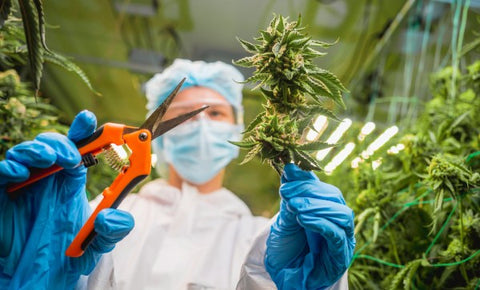
- Harvest techniques: It is important to manipulate plants carefully during harvest to avoid damaging trichomes and terpenes. It is recommended to cut the entire branches and hang them upside down in a fresh and dark space to start the drying process.
- Cured: After the initial drying, the buds must be cured to develop their optimal aroma and flavor. This implies placing the buds in hermetic glass jars and opening them periodically to allow moisture to escape and a slow and controlled curing process occurs.
- Duration of the cure: Cure can last several weeks or even months, depending on the preferences of the cultivator and the desired terper profile. A longer curing tends to produce cogollos with softer and complex aromas.
- Storage: Once healed, the buds must be stored in a cool, dark and dry place to preserve their long -term aroma and freshness. It is important to avoid exposure to light and excessive humidity, since this can degrade the quality of the final product.
In summary, the harvesting and cure process is critical to preserve the aroma and quality of cannabis buds. Harvest at the right time, manipulating plants carefully during harvest and using adequate curing techniques are key steps to ensure that buds develop their full aroma and are of the highest quality.
Importance of smell in the buds
The smell of cannabis buds is not just a matter of personal preference or an aesthetic characteristic; Play a fundamental role in the general perception of product quality. The aroma is often the first thing that shows when interacting with cannabis and can have a significant impact on the user experience.
- Quality perception: In the world of cannabis, aroma is a key indicator of freshness and quality. A rich and complex smell is often synonymous with well cultivated and properly cured buds. On the other hand, the absence of a distinctive smell can lead to consumers to question the quality and power of the product.
- Sensory experience: The different land profiles in cannabis strains contribute to a unique sensory experience. These profiles not only determine the aroma but can also influence the effects of cannabis, since it is believed that the terpenes interact with cannabinoids to create synergistic effects.
- Relationship between terpenes and aroma: The terpenes are organic compounds present in many plants, and in the case of cannabis, they are main responsible for their diversity of odors. Each terpeno has a unique and distinctive aroma - from citrus and fruit to terrifying and amaderades. This diversity not only adds to the complexity of the aromatic profile of cannabis but can also indicate the presence of certain cannabinoids.
- Impact on consumer choice: The aroma of the buds can be a decisive factor in the choice of the consumer. Users often look for specific strains based on their terper profile, looking for aromatic experiences and particular effects.
How to give smell to the buds
Improving the aroma of the buds is a fundamental aspect in the culture of quality cannabis. Next, techniques and advice are presented on how to enhance the smell of your buds, highlighting the importance of nutrition, lighting and other cultivation factors.
- SELECTION OF AROMATIC CEPAS: Start with strains known for its rich and complex terper profile. Genetics plays a crucial role in the potential aromatic capacity of your plants.
- Cultivation environment optimization: Maintain optimal conditions in your culture space. Factors such as temperature and humidity should be carefully controlled, since they directly affect the production of terpenes.
- Adequate lighting: Use a lighting system that imitates the Sunlight Spectrum. Light is a critical factor in photosynthesis and the production of aromatic compounds.
- Balanced nutrition: Provide your plants a balanced nutrient diet. An excess or deficiency of nutrients can negatively affect the production of terpenes.
- Plant stress management: Avoid unnecessary stress, as sudden changes in the environment or physical damage. Stress can alter the normal development of the plant and affect the synthesis of terpenes.
- Harvest at the optimal moment: Determine the ideal moment for harvest. Harvesting at the maximum maturity point ensures that the terpenes have developed completely.
- Careful curing process: A proper cure is essential to develop and preserve the aroma of the buds. Healing the buds slowly and under controlled conditions allows the terpenes profile to express fully.
- Appropriate storage: Store the buttles in optimal conditions to preserve their aroma. Hermetic containers and a fresh and dark atmosphere help keep intact terpenes.
Common problems and solutions
In cannabis cultivation, facing the problem of my buds do not have a smell is not uncommon. Next, there are some common cases that cultivators experience, together with specific solutions and practical recommendations.
Inadequate genetics case
- Problem: Choose a strain with low ground profile.
- Solution: Investigate and select strains known for its aromatic wealth.
Cultivation in suboptimal conditions
- Problem: Maintain environmental conditions (light, humidity, temperature) that are not ideal for the development of terpenes.
- Solution: Adjust your culture space to emulate the ideal environment for your specific strain. Use hygrometers and thermometers to monitor and adjust the environment.
Unbalanced nutrition
- Problem: Provide too much or very little of certain nutrients.
- Solution: Implements a balanced and adequate fertilization regime for the plant's growth phase. Perform research or consultation with experts to understand the specific nutritional needs of your plants.
Inadequate management stress
- Problem: Stress due to frequent transplants, aggressive pruning or physical damage.
- Solution: Minimizes stress in plants with careful handling. Avoid unnecessary transplants and practice adequate pruning techniques.
Premature harvest
- Problem: Reap plants before the terpenes have developed completely.
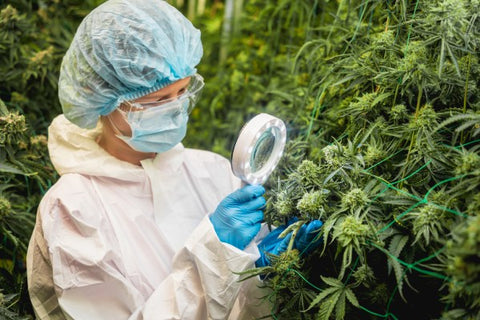
- Solution: Learn to identify the signs of maturity in your plants, such as the color of trichomes. Use a magnifying glass or microscope to observe them more closely.
Inside cure and storage
- Problem: A rushed curing process or inappropriate storage that degrades the terpenes.
- Solution: Ded time to the curing process, keeping the buds in a controlled environment. Store the cured buttocks in hermetic containers and in a cool and dark place.
Prevention and best practices to have aromatic buds
To avoid the problem of my buds, they have no smell in future crops, it is essential to adopt a preventive approach and follow the best cultivation practices from the beginning. Next, key tips are presented that will help ensure a good aroma in your crops.
- Careful strains: Start by selecting strains with a strong and well -documented terper profile. Genetics plays a crucial role in the aromatic capacity of the plant.
- Cultivation environment monitoring: Keep strict control of environmental conditions, including light, humidity and temperature. These conditions must be adequate for the specific strain you are cultivating.
- Balanced nutrition regime: Provide your plants with a balanced diet. It uses quality fertilizers and avoids both supercharging and nutrient deficiency.
- Plant stress management: Minimizes stress in plants avoiding unnecessary transplants, excessive pruning and protecting them from pests and diseases.
- Harvest at the right time: Learn to recognize the signs of maturity in your plants to harvest at the optimal time, allowing the terpenes to develop completely.
- Appropriate cure and storage: Invest time in a slow and methodical curing process. It stores the buds in conditions that preserve their quality, as in hermetic containers and in a fresh and dark environment.
- Continuing Education and Experimentation: Stay informed about the latest cultivation techniques and are not afraid to experiment (on a small scale) to find what works best for your plants.
- Documentation and analysis: Keep a detailed record of your cultivation practices and observe how they affect the aroma of your buds. This will allow you to make informed adjustments in future cycles.