
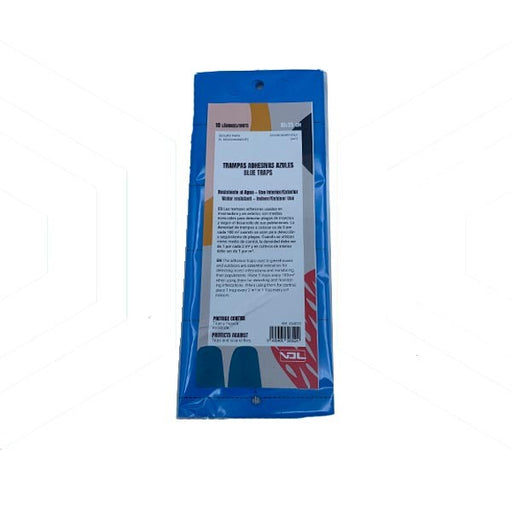
How to place the strips catch blue insects? The strips catch blue insects are placed Around the crop to attract insects and be there adhered withou...
See all the details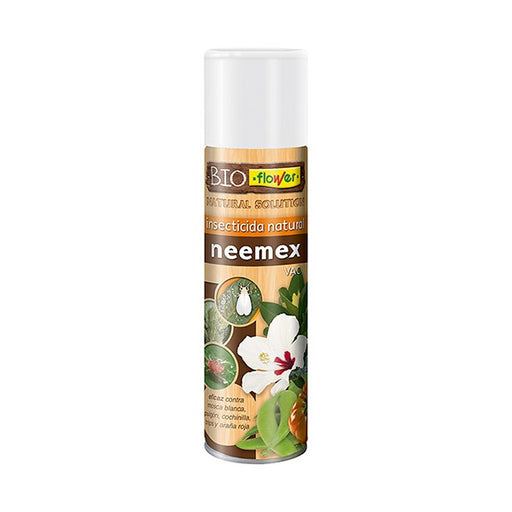
Neemex natural insecticide characteristics Natural Insecticide Neemex Act by contact and ingestion To defend your garden or garden plants. Its aero...
See all the detailsTrips are thin and elongated insects that can cause great damage to plants, both ornamental and culture. They often go unnoticed due to their small size, but their ability to feed on the sap and transmit viruses to plants makes them one of the most problematic pests. This initial section will provide an overview of how to identify the trips and the negative impact they can have in your garden or cultivation.
Although chemical insecticides offer an effective solution against trips, their use must be careful and responsible to avoid damage to plants, pollinators and the environment. Here, we will discuss what are the most effective chemical insecticides against trips and how to apply them so that their effectiveness is maximized by minimizing risks.
For those who seek less aggressive and more sustainable options, organic insecticides can be an excellent alternative. From homemade preparations to organic commercial products, this section will detail how these insecticides can help control the trips without compromising the health of the ecosystem.
Biological control uses natural enemies of trips, such as certain predatory mites and other insects, to maintain their population under control. In this part, we will explore the different biological control options available and how to integrate them into a holistic pest management approach that promotes a healthier and more balanced culture environment.
Prevention plays a crucial role in the fight against trips. This section will offer advice on cultural practices that can reduce the incidence of this plague, including the selection of resistant varieties, the proper management of humidity and irrigation, and strategies to avoid the introduction of trips into new plantations.
Controlling Trips effectively requires an integrated strategy that combines different methods of prevention, control and management. In the conclusion, we will make a summary of the strategies discussed and how they can be combined for effective management of the trips, underlining the importance of constant surveillance and early intervention to protect your plants from this plague.