

The successful cannabis cultivation, either for medicinal, recreational or research use, depends largely on the maintenance of healthy plants. A crucial aspect of this maintenance is pest management, a constant challenge that can significantly affect the quality and quantity of the harvest. Within the broad spectrum of the pests and diseases in marijuana Those facing cultivators, the cotton cochinilla stands out as one of the most insidious and common pests.
Cochinilla cotton, a small but problematic parasite, has become a growing concern for cannabis growers. Characterized by its cotton appearance and its ability to adhere tenaciously to plants, this plague not only weakens plants when sucking their vital nutrients, but can also be a disease vector. Its presence in cannabis plants can result in stunted growth, deformed leaves and, in severe cases, the death of the plant. In addition, the molasses that excrete these cochinillas create an environment conducive to the development of black fungi, further affecting plants' health. Therefore, identifying and effectively controlling the cotton cochineal is essential to maintain a healthy and productive cannabis culture. In this introduction, we will address how this plague affects cannabis plants and underline the importance of implementing control and prevention measures to protect your crops.
How to identify cotton cochine
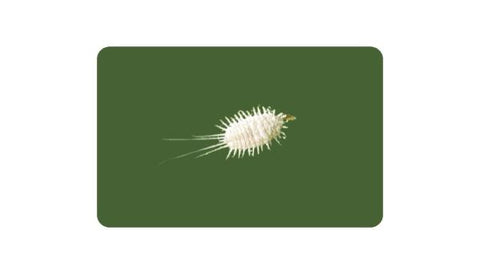
Cochinilla cotton, easily recognizable for its distinctive appearance, is a plague that cannabis growers must learn to identify precisely. These insects have a small and oval body, covered by a hilling white substance that resembles cotton, hence its name. This cotton layer not only serves as protection, but it is also a revealing sign of their presence in plants.
Adult cochinillas can measure up to a few millimeters long and are often grouped into the least visible areas of the plant, such as below the leaves or along the stems. Although they are less mobile than other pests, their ability to reproduce rapidly, evident in the presence of groups of eggs protected by the same hill substance, can lead to serious infestations in a short time.
Differentiating cottoning cochineal from other common pests in cannabis is crucial for effective handling. Unlike the aphids, which also feed on the sap of plants but are smaller and green or black, the cotton cochineal is larger and has its characteristic white cover. Another common insect, the red spider, is considerably smaller and tends to form cobwebs on the plant, a behavior not observed in the cotton cochineal.
In addition, while other pests coconase cochinilla plants can cause similar damage, such as wilting or yellowing of the leaves, the presence of the cottoning cochinilla is often evident by a sticky residue known as molasses, which is the excess of sap that they excrete after feeding. This residue can lead to the development of soot fungi, adding another layer of complication to the problem.
What attracts cotton cochinilla in cannabis
Cottoning cochinillas, like many pests, are attracted and thrive in specific environmental conditions. Understanding these factors is essential to prevent their appearance and control their proliferation in cannabis crops.
Favorable environmental conditions
- Humidity: Cochinilla cotton prefers environments with high humidity levels. Excess moisture can come from both excessive irrigation and bad ventilation in the culture area. These conditions not only facilitate their survival, but can also accelerate their reproductive cycle.
- Temperature: These insects develop better in warm but not extreme temperatures. Greenhouses or interior cultivation spaces with climate control can, unintentionally, create an ideal environment for these pests if the temperature is not monitored and properly regulated.
Cultivation practices
- Excessive irrigation: In addition to increasing environmental humidity, excessive irrigation can weaken cannabis plants, making them more susceptible to infestations. A stressed or weakened plant is an easy target for cottoning cochinillas.
- Lack of crop rotation: Repeated use of the same soil or the continuous culture of cannabis in the same area can increase the probability of pest problems, including cotton cochineal.
- Carelessness in inspection and maintenance: The lack of regular inspections and proper maintenance of plants can allow an infestation to go unnoticed until it is too late. Early detection is key to effectively controlling any plague.
- Use of susceptible 'companions' plants: Some plants that are used to complement or improve cannabis cultivation can be particularly attractive to cottoning cochinillas. The careful choice of these accompanying plants can reduce the risk of infestation.
Food and damage caused by cotton cochinilla
The cotton cochinilla, like other pests that feed on sap, causes significant damage to cannabis plants through their food method and the consequences that this entails.
Power method
The cotton cochinillas feed are piercing the soft parts of cannabis plants with their specialized oral apparatus, known as stiletto. Through this, they extract the sap, which is rich in nutrients and essential sugars for the life of the plant. This food process not only drains valuable resources of the plant, but also interferes with its ability to perform vital functions such as photosynthesis and perspiration.
Plant health impact
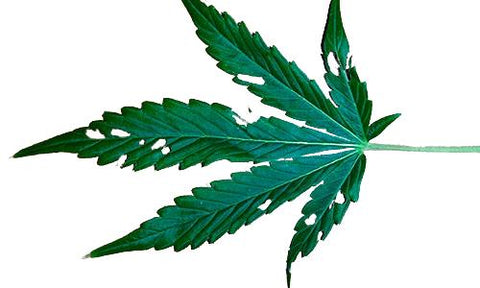
- Weakening and wilting: The continuous loss of sap weakens the plant, which can manifest in stunted growth, withered leaves and a general decrease in vitality.
- Appearance of molasses and soot fungi: As a byproduct of their diet, cotton cochinillas excrete a sticky residue known as molasses. This residue can cover the leaves and stems, hindering photosynthesis and attracting the growth of soot fungi, which in addition to being aesthetically unpleasant, can further compromise the health of the plant.
- Disease transmission: When feeding, cochinillas can act as vectors of viruses and bacteria, transmitting diseases from one plant to another.
Impact on the quality of the final product
The damage caused by the cotton cochineal can have a direct effect on the quality and value of the final cannabis product. The affected plants usually have a reduced production of flowers, and the quality of these can be compromised. The trichomas, essential for the power and the profile of cannabis terpenes, can be negatively affected, resulting in a decrease in the power and general quality of the product.
Cochinilla elimination methods
To effectively combat cochinilla cotton in cannabis plants, it is essential to adopt a multifaceted approach that combines several methods. Next, the aforementioned strategies are detailed more widely:
Manual Cochinilla Manual
Use a cotton swab soaked in isopropyl alcohol to gently eliminate plants cochinillas. Be sure to directly touch each cochineal to maximize the effectiveness of the treatment. Perform this task regularly, paying special attention to high infestation areas. The frequency can vary, but a weekly review is a good starting point, adjusting it according to the severity of infestation.
Advantages and disadvantages of manual elimination of cotton cochine
- Security: Non -toxic and safe method for plants and the environment.
- Cost-effective: It does not require the purchase of additional chemicals.
- Early detection: Facilitates the regular and early inspection of infestations.
- Precise control: Ideal for localized infestations, offering a directed approach.
- Intensive in labor: It requires time and effort, especially in large crops or with severe infestations.
- Limited efficacy in large infestations: Less effective to control extensive infestations.
- Risk of propagation: Possibility of spreading the plague to other areas during the elimination.
- Regular application need: It must be done constantly and repeated to maintain control over the plague.
Manual elimination is a useful technique in integrated pest management, especially effective for minor infestations or as a complement to other control methods. Its success depends on the regularity and meticulousness with which it is carried out.

Cochinilla cotton water control
Use a pressure water sprayer to physically dislodge plants cochinillas. Adjust the pressure to be effective without damaging the plants. Depending on the severity of infestation, this method can be applied every few days. It is important to monitor plants after each application to determine the need for additional treatments.
Advantages and disadvantages of water control of the cotton cochine
- Non-toxic: Safe and chemical free method, ideal for an organic approach.
- Easy to apply: It does not require special preparation or purchase of additional products.
- Immediately effective: You can quickly dislodge plants cochinillas.
- Temporary efficacy: Mainly eliminates adult and visible cochinillas, but it may not be effective against eggs or larvae.
- Need for repeated applications: Multiple applications may require to completely control infestation.
- Risk of damage to plants: Water pressure can damage plants if it does not fit correctly.
- Dependent on climatic conditions: It is not ideal in high humidity conditions, since it can increase the risk of fungal diseases.
Water control is a simple and ecological technique to combat cotton cochineal in cannabis plants. Although it is a non -toxic and easy to apply method, its effectiveness can be limited and generally requires repeated applications to achieve effective control. It is important to keep in mind that, while it is immediately effective to evict visible adult pigs, it may not be enough to completely eradicate infestation, especially in cases of eggs or larvae. In addition, the use of pressure water should be carried out carefully to avoid damaging plants, and their effectiveness can be affected by climatic conditions, such as high humidity.
Organic treatments: insecticide soap for cotton cochine
Mix a soft biodegradable insecticide with water. The typical proportion is a teaspoon of soap per liter of water. Apply the solution every 5-7 days. Applications continue until signs of cottoning cochinilla are observed.
Advantages and disadvantages of organic treatment with insecticide soap for cochinilla cotton
- Environmental friend: Being an organic treatment, it is less harmful to the environment.
- Insurance for plants and other insects: Generally safe for plants and does not harm beneficial insects when used correctly.
- Easy to prepare and apply: It can be easily prepared with common ingredients and apply with a sprayer.
- Regular application need: Requires repeated applications to be effective.
- Potential for damage to plants: It can be harmful if used in excess or in very high concentrations.
- Limited efficacy in severe infestations: It may not be enough to control large or advanced infestations alone.
- Dependent on climatic conditions: Rain or excessive irrigation after application can reduce its effectiveness.
The use of insecticide soap is an effective organic method for the control of cotton cochinilla in cannabis plants. Although it requires regular applications and can be less effective in severe infestations, it offers a respectful and safe solution for beneficial plants and insects. It is important to balance its use with other integrated pest management practices to achieve effective cotton cochineal control.
Use of natural predators to control cotton cochine
Choose natural predators such as ladybugs or predatory mites, which feed on cochinillas. Release these predators in your cannabis cultivation, preferably in the areas where infestation is observed. Make sure your garden provides adequate habitat for these predators, including food and shelter sources.
Advantages and disadvantages of the use of natural predators to control the cotton cochine
- Ecological Control: Natural method that does not imply chemicals, maintaining the ecological balance of the garden.
- Long -term sustainable: It helps establish continuous biological control in the garden.
- Insurance for plants and the environment: It does not damage the plants or contaminate the environment.
- Time to see results: It may take longer to be effective compared to chemical methods.
- Limited control: It is not always effective for large or advanced infestations.
- Dependence on garden conditions: It requires an adequate environment for predators to prosper.
- Availability and cost: The acquisition of natural predators may imply a cost and are not always easily available.
The use of natural predators is a valuable and ecological strategy for the control of the cotton cochineal in cannabis cultivation. Although it can take time to see results and may not be sufficient for severe infestations, this technique offers a sustainable and environmental solution. It is more effective when integrated into an integrated pest management approach, complementing other control methods. To maximize its effectiveness, it is crucial to maintain a garden environment that supports the life and activity of these natural predators.
Insecticides for cochinilla cotton
Opt for specifically formulated products to combat cochinillas. Prioritize those with less environmental impact and that are safe to use in cannabis crops.
Advantages and disadvantages of the use of insecticides for cochinilla cotton
- Rapid efficiency: Chemical insecticides often offer rapid and effective infestations control.
- Broad action: They can be effective against several stages of the cochineal life cycle, including eggs and larvae.
- Solution for severe infestations: They are a viable option when other methods have failed, especially in cases of serious infestations.
- Environmental impact: Chemists can have negative effects on the environment and the biodiversity of the garden.
- Health risks: They can represent risks to the health of the cultivator and consumers if they are not used correctly.
- Pesticide resistance: Excessive use can lead to resistance in pests.
- Regulations and restrictions: There may be legal restrictions and strict regulations on its use in cannabis crops.
Chemical control should be considered as a last option for the management of cotton cochineal in cannabis cultivation. Although it can be effective to quickly control severe infestations, it is crucial to weigh the risks and benefits. Its use requires careful and responsible management, following all applicable regulations. Ideally, chemical control must be integrated into an integrated pest management approach, complementing other more sustainable and environmentally respectful methods.
Environmental adjustments for cotton cochineal control
Modify moisture and temperature to create a less conducive environment for cochinillas. Improves air circulation to keep moisture levels low in cultivation areas.
Advantages and disadvantages of environmental adjustments for cochinilla cotton
- Pest prevention: A less humid and fresher environment can prevent the appearance of cochinillas.
- Improve the general health of plants: Optimal humidity and temperature conditions promote healthy growth.
- Ecological Control: These adjustments are non -chemical, insurance for the environment and plants.
- It requires constant monitoring: Maintain the proper moisture and temperature balance may require constant monitoring and adjustment.
- Equipment cost: The installation of humidity and temperature control systems may imply a significant initial investment.
- Infrastructure dependence: In some cases, especially in outdoor crops, it may be difficult to control these environmental factors.
Environmental adjustments, such as moisture and temperature control, along with good ventilation, are effective strategies to create an unfavorable environment for cottoning cochineal. While these methods may require an initial investment and regular monitoring, they offer a sustainable and non -toxic solution for pest management. Integrating these adjustments into an integrated pest management approach can significantly improve the health and resistance of your cannabis plants against cochinillas and other pest infestations.