
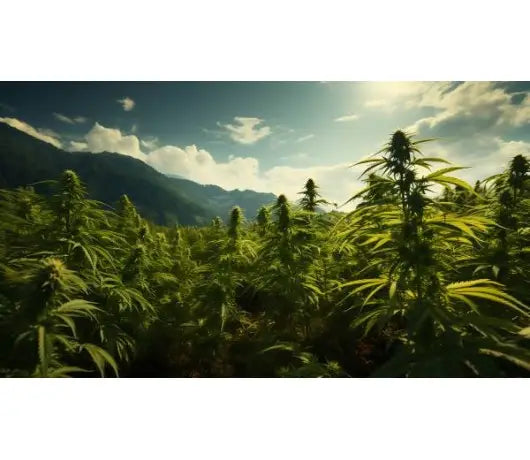
The external marijuana cultivation is an activity that has gained popularity in recent years due to its accessibility and the possibility of obtaining high quality crops. The outdoor marijuana cultivation is a rewarding adventure that combines gardening with the passion for this unique plant. Unlike interiors, cultivating marijuana outdoors allows you to take advantage of natural resources, such as sunlight and rain, which can result in a more organic and sustainable experience. However, to succeed in the cultivation of marijuana abroad, it is crucial to understand and apply the key aspects that allow healthy and productive growth of plants.
We will explore the secrets and tricks to plant marijuana abroad successfully. We will reveal five essential tips that will help you become an expert grower, maximizing your results and enjoying high quality crops. From the choice of the right place to the harvest and drying process, we will guide you throughout each fundamental step in the exterior marijana cultivation process.
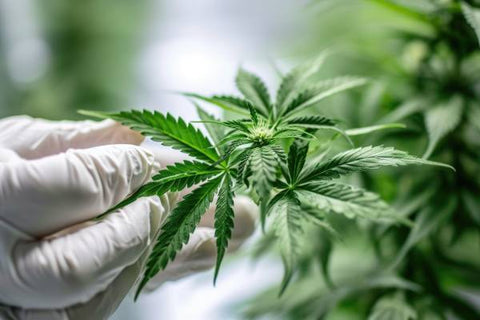
Tip 1: Selection of the right place for cultivation abroad
The choice of the right place is a crucial step in the cultivation of exterior marijuana, since it can make the difference between an abundant and healthy harvest and a disappointing. Here we offer you a detailed explanation about the importance of this aspect and the factors that you should consider, as well as some tips to prepare the soil or culture medium effectively.
Importance of the choice of place
Choosing the right place to cultivate exterior marijuana is fundamental, since the plant needs optimal conditions to grow healthy and produce high quality buds. Some of the reasons why this is crucial includes:
- Sun exposure: Marijuana is a plant that requires a significant amount of direct sunlight for adequate growth and flowering. The choice of a place with good exposure to the sun ensures that the plants receive the necessary amount of light throughout the day.
- Privacy and safety: Privacy and security are important factors to consider, especially if you live in an area where marijuana cultivation can be legal but regulated. A discreet and safe place will help protect your indiscreet look plants and possible legal problems.
Factors to consider
When you evaluate a place for the cultivation of marijuana abroad, you must pay attention to the following factors:
- Sunshine: Look for a place that receives at least 6 hours of direct sunlight per day. Ideally, more sun hours will improve the performance of your plants.
- Privacy: Choose a place away from curious and neighbors who can cause problems. A fence or bushes can help maintain privacy.
- Security: Make sure the place is safe and that your plants are protected from possible thieves or damage.
- Soil drainage: Evaluate soil drainage. Stagnant water can be harmful to plants' roots.
Tips for preparing the soil or culture medium
Once you have selected the right place, it is essential to prepare the soil or culture medium to ensure healthy growth of your plants. Here are some tips:
- Soil test: Performs a pH and nutrient test on the ground to understand its conditions. Adjust the pH if necessary and enriched the soil with adequate nutrients.
- Soil improvement: Add organic matter as compost to improve the structure and retention of soil water.
- Irrigation: Make sure the place has access to water for irrigation. Consider the installation of a drip irrigation system if required.
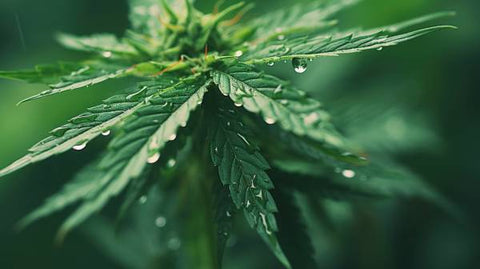
Tip 2: Choice of appropriate marijuana varieties for cultivation abroad
The choice of the adequate marijuana variety is a fundamental step in successful cultivation abroad. There are three main types of varieties of marijuana: sativas, indicas and hybrids, each with unique characteristics that influence its growth, effects and adaptability to different climates. Here I provide you with a detailed description of these varieties and advice on how to select the most appropriate according to the weather and your preferences as a cultivator.
1. sativas
- Characteristics: The sativa varieties are usually high, thin and with fine leaf leaves. They have a longer flowering period compared to indica.
- Effects: The sativas tend to provide a more energizing and creative brain effect. They are ideal for daytime activities.
- Adaptability to the weather: The sativas are suitable for warmer and more sunny climates, since their longest flowering period makes them more prone to problems related to cold and humid climate.
2. Indicas
- Characteristics: Indic varieties are shorter and more robust, with wide and compact leaves. They have a shorter flowering period.
- Effects: Indicas often produce a relaxing and sedative effect, ideal for night use or medicinal purposes.
- Adaptability to the weather: Indicas are more resistant to cold and humidity, so they are suitable for less warm and more variable climates.
3. Hybrids
- Characteristics: Hybrid varieties are crosses between sativas and indica, which allows them to combine characteristics of both. They can vary in height, shape and flowering period.
- Effects: The effects of hybrid varieties may vary according to the proportion of sativa and indica genes in their composition.
- Adaptability to the weather: The adaptability to the weather will depend on the specific genetics of the hybrid variety, so it is important to investigate and select adequate hybrids for your local climate.
Recommendations for Selection
- Investigate the available varieties and consult with other local growers to know their experience with different strains in your area.
- Consider the climate of your region. If you live in a place with cold winters, indications or hybrids with Indian genes can be a better choice. For warm and sunny climates, sativas can be an option.
- Think about your personal preferences. Are you looking for an energizing or relaxing effect? Do you have space limitations in your cultivation area?
- Be sure to acquire quality seeds from a reliable seed bank to ensure that the varieties are genuine and well adapted to your needs.

Tip 3: Basic care of the plant in the cultivation of marijuana abroad
The proper care of your exterior marijuana plants is essential to guarantee healthy growth and abundant harvest. Here you will find details about the key aspects of irrigation, nutrition and pruning of plants, as well as advice to maintain their health and maximize performance.
Irrigation
Irrigation is one of the most critical aspects of the care of marijuana plants abroad. Here are some important tips:
- Irrigation control: Avoid excessive or insufficient irrigation. You must keep the wet but not soaked substrate. Marijuana prefers a regular irrigation cycle instead of floods and droughts.
- Deep irrigation: Water deeply to encourage a strong root system. Make sure the water reaches the deepest roots of the plant.
- Avoid stagnant water: Make sure the pots have a good drain to avoid water stagnation, which can cause root and fungal problems.
Fertilizers
Proper nutrition is essential for the development of plants. Here are some guidelines to make sure that your plants receive the necessary nutrients:
- Fertilizers: Use specific fertilizers for marijuana and follow the manufacturer's instructions. Start with low doses and gradually increase depending on the needs of the plants.
- Essential nutrients: Marijuana plants need nitrogen, phosphorus and potassium (N-P-K) in different proportions at each stage of their life cycle. Be sure to provide adequate nutrients at the right time.
- Micronutrients: In addition to macronutrients, plants also require micronutrients such as iron, zinc and manganese. A micronutrient supplement can be beneficial if deficiencies are detected.
Marijuana pruning
Proper pruning can improve plants health and increase buds. Here are some tips for pruning:
- Pruning of lower branches: Eliminates the lower branches that do not receive enough light to encourage air flow and reduce the risk of mold and fungi.
- Damaged sheet pruning: Remove the damaged or sick leaves to prevent the spread of diseases and allow the plant to concentrate its energy on the growth and development of the buds.
- Topping and Fiming: These advanced pruning techniques can increase the number of buds and encourage a uniform distribution of plant energy.
Additional tips
- Look closely at your plants to detect stress signs, pests or diseases.
- Keep a record of your irrigation and fertilization practices to adjust them as necessary.
- Keep a clean and weed -free environment around your plants to reduce competition for nutrients and space.
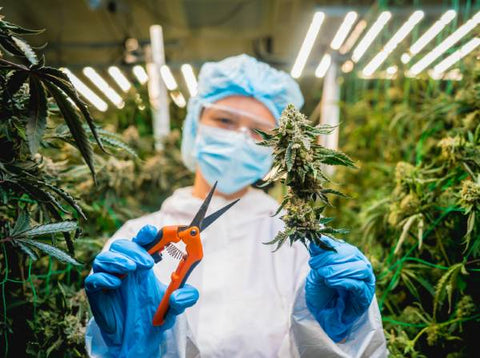
Tip 4: Control of pests and diseases in the outer crop on soil
The control of pests and diseases in marijuana It is a critical aspect to guarantee the success of your marijuana culture abroad. Identifying and addressing these threats effectively is essential to maintain healthy plants and get an abundant harvest. Next, some of the most common pests and diseases are described in the cultivation of marijuana abroad, as well as organic and natural strategies to prevent and treat these problems.
Common pests
- Mites: Mites are small arachnids that can damage the leaves of the plants when the sap suck. You can prevent them through the introduction of natural predators such as ladybug or by applying organic insecticide soap.
- ORUGAS: Crosswinds can cause serious damage when chewing the leaves of the plants. Regularly inspect your plants and manually eliminate the caterpillars you find. You can also use peromonas traps.
- Red spiders: These small arachnids can cause damage to the leaves when weaving networks and sucking the sap. Increase moisture in your cultivation area to avoid proliferation and consider the introduction of predators such as predators.
Common diseases
- Gray mold (botrytis): The gray mold can affect the butt and the leaves of the plants. Reduce moisture in the cultivation area and make sure there is a good air circulation to prevent it. You can also apply garlic extract as a natural fungicide.
- Oidio: Oidio is a fungus that forms a white layer on the leaves and buttons. Use a sodium and water bicarbonate solution to spray plants as preventive measure and insulation.
- Dusty mildeer: This fungus causes white spots on the leaves. Apply neem or spray milk oil to fight it effectively.
Organic and natural strategies for control
- Beneficial predators: It introduces beneficial insects such as shellfish, predatory mites or parasitic wasps to keep pests under control.
- Neem oil: Neem oil is an organic pesticide that can help control many pests and diseases.
- Insecticide soap: Organic insecticide soaps are effective in controlling mites and other suction pests.
- Feromonas traps: Feromonas traps are useful for the control of caterpillars and other flying insects.
Prevention
Prevention is key to avoid pests and diseases in the first place:
- Crop rotation: Avoid planting marijuana in the same place year after year to reduce the accumulation of pathogens in the soil.
- Maintenance of healthy plants: Healthy plants are less prone to diseases. Be sure to provide adequate irrigation and nutrition.
- Hygiene: Wash your hands and tools before touching the plants to avoid the spread of diseases.
Tip 5: Harvest and drying in the cultivation of marijuana abroad
The harvest and the drying and cure process are critical stages to obtain high quality marijuana. Next, I will provide you with a detailed explanation about when and how to reap your marijuana plants, as well as the importance of the drying and curing process to improve the quality of your buds.
Harvest
The harvest is the moment in which mature and ready -to -consumption buds are collected. Here are some important guidelines for the harvest:
- Determine the right time: The harvest must be done when the trichomes (small resin glands) are at their maximum maturity point. Use a magnifying magnifying glass to observe the trichomes and make sure that most are milky or amber, instead of clear.
- Take into account the varieties: Indic varieties tend to have a shorter flowering period than sativas, so the harvest can vary according to the strain. Follow the recommendations of the seed bank or the breeder.
- Cut carefully: Use clean and sharp scissors to cut the button. Cut the plant in its entirety or by sections, leaving enough stem to manipulate them without damaging the trichomes.
- Cleaning and manipulation: Manipulates the buds carefully to avoid touching them excessively and damaging the trichomes. Clean the leaves and remains of plants of the buds.
Drying
Drying is the process in which freshly harvested buds are slowly dried to eliminate moisture and improve their flavor, aroma and power. Follow these steps for adequate drying:
- Hung in a dark and well ventilated place: Hang the butt face in a dark and well ventilated place. Ideally, the temperature must be maintained between 18 ° C and 24 ° C and the relative humidity around 50%.
- Moisture control: Use a hygrometer to control moisture in the drying room. It prevents moisture from exceeding 60-65%, since it could increase the risk of mold.
- Drying duration: Drying can take 7 to 14 days, depending on the size of the buttocks and environmental conditions. The buds will be ready when the stems break instead of bending.
Cured
Cure is the final process to improve the quality of marijuana and soften the taste. Follow these steps for adequate curing:
- Crystal Tarros Storage: Place the dried cogollos in hermetic glass jars. Fill the jars to approximately 70-80% of their capacity.
- Daily burpeo: Open the jars daily during the first days to allow residual humidity to be released. This avoids mold and improves flavor.
- Long -term storage: To obtain the best results, store the jars in a fresh and dark place for at least 2-4 weeks, although some growers prefer a longer curing period.