

In recent years, the world has witnessed a revolution in the field of health and well -being, focused on a fascinating compound: the CBD. But what exactly is the CBD and what are its benefits? Cannabidiol, or CBD, is one of the numerous compounds found in the cannabis plant, distinguished by its notable therapeutic properties. Unlike THC, another known cannabis component, CBD does not produce psychoactive effects, which has significantly contributed to its legalization and popularization in various countries.
The conversation about what the CBD is and its benefits has captured the care of scientists, health professionals and consumers equally, driven by a growing body of personal research and testimonies that point to their potential to improve the quality of life. From the reduction of stress and anxiety to sleep improvement and pain relief, the spectrum of benefits and CBD properties It is as broad as promising. As we explore this fascinating theme, we will immerse ourselves in the details of what the CBD is, its multiple benefits and the important considerations to take into account when using it.
The benefits of the CBD include pain relief, reduction in anxiety and inflammation, sleep improvement and neuroprotection. It can be used in the form of oils, creams, capsules or vapeo, depending on the individual needs and administration preferences.
What is the CBD and what benefits do you have?
The CBD, or Cannabidiol, is one of the more than one hundred chemical compounds known as cannabinoids found in the cannabis plant. Unlike its best known relative, THC (Tetrahydrocannabinol), the CBD is not psychoactive, which means that it does not produce the "climb" associated with cannabis. This distinction is crucial and has been a determining factor in the growing acceptance and legalization of CBD in various parts of the world.
The main source of CBD is the hemp plant, a variety of cannabis that contains minimal amou amounts. While THC is known for its euphorizing effects and is the main psychoactive component of cannabis, the CBD interacts with the body's endocannabinoid system in a way that can produce therapeutic effects without the alteration of consciousness.
The endocannabinoid system is a complex system of neurotransmitters and receptors present throughout the body, which plays a key role in the regulation of various functions such as sleep, appetite, pain and immune response. The CBD can influence this system, which explains its potential in a wide range of health and well -being applications.
Given its non -psychoactive nature, the CBD has become an attractive option for those seeking relief for various conditions without the altering effects of the THC's mind. Its versatility in the forms of application (such as oils, capsules, topics, edible, among others) adds to their popularity, allowing users to choose the form that best suits their needs and lifestyle.

CBD benefits
The CBD has gained popularity due to its wide range of potential benefits for health and well -being. Next, some of the most significant are detailed:
- Pain relief: One of the most recognized uses of CBD is its ability to relieve pain. It is believed to act on the receptors of the endocannabinoid system to reduce inflammation and perception of pain.
- Axiety and depression reduction: The CBD has shown promise in the treatment of anxiety and depression disorders, helping to regulate mood and promote a quieter and more relaxed mental state.
- Improvement of sleep: Many people use the CBD to improve the quality of their dream, since it can help reduce anxiety and pain, factors that often contribute to sleeping difficulties.
- Neuroprotective properties: There are research that suggests that the CBD could benefit those with neurodegenerative diseases, thanks to their effects on brain receptors and their antioxidant potential.
- Relief of cancer -related symptoms: Some studies have indicated that CBD can help relieve symptoms associated with cancer treatment, such as pain and nausea.
- Skin benefits: The topical use of CBD can benefit skin health, helping to treat conditions such as acne, psoriasis and eczema, due to its anti -inflammatory properties and ability to reduce sebum production.
- Potential in addiction treatment: Preliminary investigations suggest that CBD could help people with addiction, by modifying brain circuits related to substance dependence.
- Anti -inflammatory effects: CBD is known for its anti -inflammatory properties, which makes it useful in the treatment of several chronic inflammatory conditions.
- Cardiovascular Health Support: Some studies suggest that CBD can benefit the health of the heart, potentially reducing blood pressure and protecting heart -related diseases.
- Reduction of symptoms of neurological disorders: There is evidence that indicates that CBD can help in the treatment of complications associated with neurological disorders such as epilepsy and multiple sclerosis.
CBD use formats
The CBD can be consumed in several ways, each with its own characteristics and advantages. Some of the most common formats include:
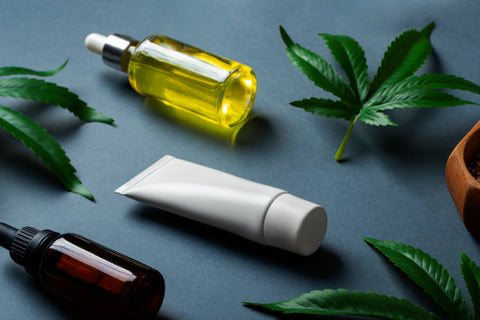
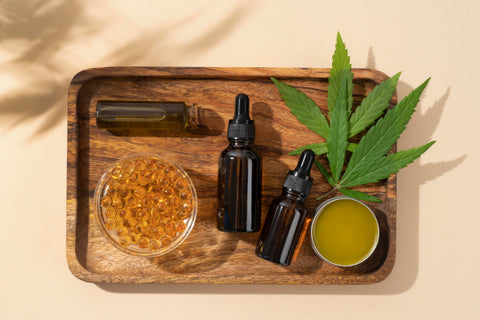
- CBD oil: It is one of the most popular formats. The oil is obtained by extracting CBD from the cannabis plant and then diluting it with a carrier oil, such as coconut oil or hemp seed. It is known for its ease of use and precise dosage. Marihuanas oil benefits and contraindications includes its potential to relieve pain, reduce anxiety and improve sleep. However, contraindications may include interactions with other medications and side effects such as fatigue and appetite changes.
- CBD capsules: They offer a convenient and discreet way of consuming CBD, with the advantage of premeditated doses. They are ideal for those who want to avoid the taste of CBD oil.
- CBD topics: These include creams, balms and horses infused with CBD. They are applied directly to the skin and are popular to treat local pain, inflammation and skin problems.
- CBD edible: Gombolas, chocolates and other sweets infused with CBD offer a tasty and fun way to consume CBD. Although its effect may take longer to feel, the edibles provide a prolonged release of CBD in the body.
- CBD vapeo: CBD vapor inhalation provides rapid absorption and is preferred by those who seek immediate relief. However, there are concerns about vapeo safety and potential effects on the lungs.
- CBD tinctures: They are liquids that can be applied under the tongue with a dropper. They offer rapid absorption and easily adjustable dosage.
How to use the CBD
The safe and effective use of the CBD depends on several factors, including the reason for the use, the form of administration and dosing. Here are some tips to use the CBD in an optimal way:
- Determine the purpose: Before starting to use the CBD, it is important to identify what you want to use. This may include pain relief, anxiety management, sleep improvement, among others. Understanding the purpose will help choose the most appropriate format and the correct dosage.
- Choose the right format: CBD is available in various forms, such as oils, capsules, topics, edible and more. The choice depends on the personal preference and the speed with which the CBD is desired to act. For example, oils and tinctures offer a faster absorption than edible.
- Start with low doses: Start with a low dose allows the body to adapt to the CBD. The dose can be gradually increased to the desired effect. This also reduces the risk of possible side effects.
- Consult with a health professional: It is crucial to talk to a doctor before using CBD, especially if there are pre -existing medical conditions or other medications are being taken.
- Monitor the effects: Taking note of how the body reacts to the CBD can help adjust the dose or the format if necessary. Any significant change in well -being after using CBD should be discussed with a doctor.
- Verify product quality: Opt for high quality CBD products and reliable sources. Find products that provide independent laboratories tests that verify their purity and concentration.
- Be aware of legality: Ensure that the use of CBD products is legal in the region where it is reside.
CBD contraindications and precautions
Although the CBD is generally well tolerated and considered safe, it is important to be aware of possible contraindications and take precautions when using it. Here are some key considerations:
- Interactions with medications: CBD can interact with certain medications, such as anticoagulants and those who carry a warning of "not consuming with grapefruit." It is essential to consult a doctor before starting CBD, especially if other medications are being taken.
- Potential side effects: Although rare, some users may experience side effects such as dry mouth, fatigue, diarrhea, changes in appetite or weight and, in some cases, liver damage. Surveillance is key, and medical attention should be sought if these symptoms occur.
- Use during pregnancy and breastfeeding: It is not recommended to use CBD during pregnancy and breastfeeding, since there is limited evidence on how it can affect the fetus or baby.
- Product quality and purity: Given the lack of regulation in many markets, it is essential to choose high quality CBD products and reliable suppliers. Find products that have been tested in independent laboratories to ensure their purity and concentration.
- Dose and administration: Starting with a low dose and gradually increase until the effective dose is a recommended practice. Avoid unnecessary high doses reduces the risk of possible side effects.
- Legal considerations: The legal status of the CBD varies from one place to another. It is important to be informed about local laws before acquiring and using CBD products.
- Regular medical consultations: Maintaining open communication with a health professional can help monitor any unexpected change or interaction and ensure safe and effective use of the CBD.
How to choose CBD products
Choosing the appropriate CBD product is crucial to ensure its effectiveness and safety. Here are some guidelines to select high quality CBD products:
- Investigate the manufacturer: Search companies with good reputation in the CBD industry. Reliable companies usually provide detailed information about their extraction and manufacturing processes.
- Verify analysis certificates (COA): A COA is a document provided by an independent laboratory confirming the composition of the product. Make sure the product contains the amount of CBD that it affirms and is free of pollutants such as pesticides, heavy metals and mold.
- Type of CBD extract: There are three main types: isolated from CBD (pure CBD), full spectrum (contains all cannabinoids and plant terpenes) and broad spectrum (similar to the complete spectrum, but without THC). The choice will depend on personal needs and preferences.
- Extraction method: CO2 or ethanol extraction methods are usually preferable because they are cleaner and less likely to leave hazardous waste.
- Origin of hemp: Prefer organically cultivated hemp products to minimize exposure to pesticides and other harmful chemicals.
- Transparency and labeling: A good label should include information about the amount of CBD by dose, ingredients and use suggestions.
- User Opinions and Experiences: Reading reviews and testimonies of other users can provide valuable information about the effectiveness and quality of a product.
- Consult with health professionals: Before starting any CBD product, it is important to consult with a doctor or a health professional. They can offer specific guidance based on individual health and any existing medical condition.
Marijuana oil benefits and contraindications
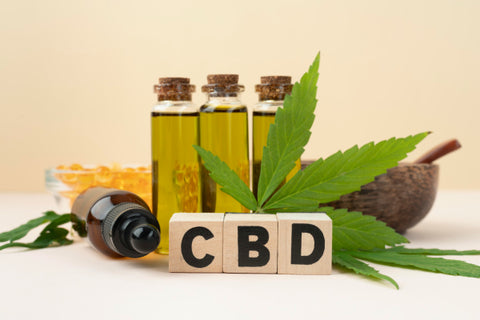
CBD oil offers potential benefits such as pain relief, anxiety reduction, sleep improvement and seizures control, without psychoactive effects. However, some people may experience mild side effects such as fatigue or changes in appetite. Contraindications may include interactions with certain medications and adverse effects on CBD sensitive. It is important to talk to a health professional before starting to use it.
CBD oil benefits
- Pain relief: CBD oil has shown to have analgesic properties, helping to relieve chronic pain, arthritis and other types of pain.
- Reduction in anxiety and stress: It has been found that CBD has anxiolytic effects, which can help reduce anxiety and stress in some people.
- Improvement of sleep: Many CBD oil users report an improvement in sleep quality, finding easier sleep and sleep better during the night.
- Neuroprotective properties: CBD can protect damage and degeneration brain cells, which can be beneficial for neurodegenerative diseases such as Alzheimer's and Parkinson.
- Seizure reduction: CBD oil has proven to be effective in reducing the frequency and severity of seizures in patients with certain types of treatment resistant epilepsy.
CBD oil contraindications
- Drug interactions: The CBD can interact with certain medications, so it is important to talk to a doctor before using it if you are taking other medications.
- Side effects: Although they are rare, some side effects of CBD oil may include drowsiness, fatigue, changes in appetite and diarrhea.
- Product quality: The quality and purity of CBD oil can vary, so it is important to buy high quality products of reliable manufacturers.
- Legality: The legality of the CBD can vary according to the country and the State, so be sure to know the local laws before using it.
It is important to keep in mind that the effects of CBD oil can vary from one person to another, and it is advisable to speak with a health professional before starting to use it, especially if you have specific medical concerns or you are taking other medications.