
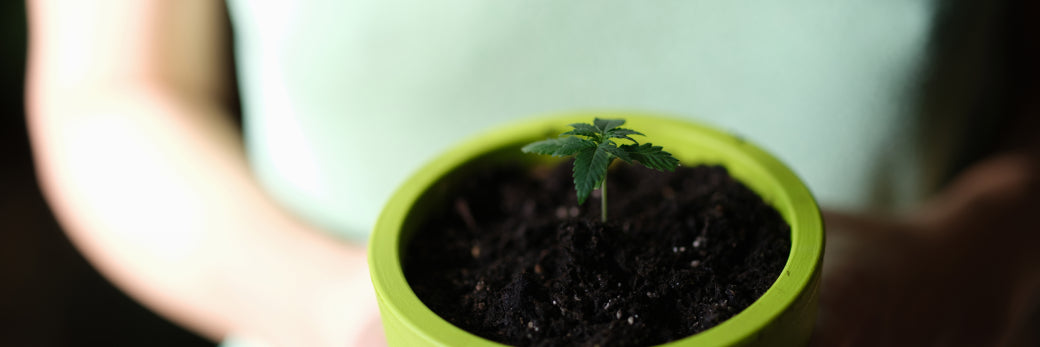
Cannabidiol, better known as CBD, has gained immense popularity in recent years, emerging as a non -psychoactive component of cannabis highly appreciated for its potential health benefits. This growing attraction is not only limited to its use, but also to its cultivation, especially in the domestic sphere. The interest in planting CBD at home has been increasing, since it offers enthusiasts the possibility of controlling the quality and purity of their plants, in addition to being a rewarding activity. With an approach to personal well -being and self -sufficiency, the homemade culture of CBD is becoming a relevant trend for those who seek to make the most of their therapeutic properties.
To plant CBD at home, choose rich strains in CBD, prepare the appropriate cultivation space, germinates the seeds, plant in pots rich in nutrients, and provides adequate light, water and nutrients. Maintain optimal conditions and harvest when the trichomes are ripe.
Is it legal to plant CBD at home?
It is crucial to understand the current legal situation regarding whether it is legal to plant CBD at home, since the laws vary significantly from one country to another and even between regions within the same country. Generally, the legality of the cultivation of cannabis plants depends on the content of THC, the psychoactive compound of cannabis. CBD rich plants are often preferred for domestic cultivation due to their low THC content. In many places, the cultivation of cannabis plants with low THC (and high in CBD) is legal under certain conditions, as for personal use or medicinal purposes. However, it is essential to verify local laws before starting a CBD crop at home.
In Spain, the legal situation around CBD cultivation at home is regulated by the Citizen Security Law and the Citizen Security Protection Law, as well as by the specific legislation of each Autonomous Community. Here are some important points to take into account in relation to the legality of CBD cultivation at home in Spain:
- Amount of plants allowed: In general, Spanish legislation establishes that cannabis cultivation at home for personal use is allowed whenever it is limited to a small number of plants. However, the exact number of allowed plants may vary according to the Autonomous Community and local laws.
- THC levels: Spanish legislation distinguishes between the cultivation of cannabis varieties with high content of THC (psychoactive) and varieties with high CBD content (non -psychoactive). The cultivation of THC high varieties is more strongly regulated and is generally prohibited for personal use, while CBD varieties may be subject to less restrictions.
- Regulation by Autonomous Communities: Each autonomous community in Spain can have its own laws and regulations in relation to the cultivation of cannabis at home. Some communities may have stricter regulations, while others may have more permissive policies.
- Possible sanctions: Cannabis cultivation at home in Spain may be subject to legal sanctions if the number of plants allowed or if used for illegal activities, such as drug trafficking. The sanctions can vary from economic fines to prison sentences, depending on the severity of the crime.
- Security considerations: In addition to complying with local laws, it is important to take security measures by growing cannabis at home in Spain. This includes keeping the plants out of the reach of children, ensuring that they do not represent a risk for public security and comply with any specific regulation of the autonomous community in which you are.
In summary, CBD cultivation at home in Spain may be allowed under certain conditions and limitations established by law. It is essential to become familiar with local laws and regulations before starting any cannabis cultivation activity, and it is always advisable to consult with a legal expert if you have specific questions or concerns about the legality of CBD cultivation in your area.
Advantages of CBD cultivation at home
The cultivation of CBD at home has become an increasingly popular practice for those who seek to take advantage of the benefits of this substance. Next, we will explore the significant advantages of growing CBD in your own space.
- Guaranteed quality and purity: One of the most prominent benefits of plantar CBD at home is the total control over the quality and purity of the final product. Being the grower, you have the ability to select organic substrates, avoid the use of harmful pesticides and make sure the cultivation process adheres to the highest standards. This quality guarantee is especially important for those who use CBD for health reasons, since it eliminates concern about undessed contaminants or additives that are often found in commercial products.
- Cost-effectiveness: CBD growing at home can be much cheaper in the long term compared to the constant purchase of CBD products in the market. Although the initial investment for the equipment and the seeds can be significant, the cost is amortized over time, especially considering that a single plant can produce a considerable amount of CBD.
- Therapeutic and educational experience: The process of cultivating your own CBD plants can be in itself a therapeutic and rewarding activity. It gives you the opportunity to connect with nature and learn more about the life cycle of plants. In addition, home cultivation allows you to experience and educate yourself about the different strains and cultivation techniques, which can be an enriching and satisfactory experience.
- Product customization: When CBD cultivates at home, you have the flexibility of experiencing with different strains and cultivation methods to produce a product that adapts exactly to your needs and preferences. This is particularly advantageous for those who use CBD for therapeutic purposes, since they can adjust the power and chemical profile of their plants to meet their specific requirements.
- Sustainability: CBD cultivation at home is a more sustainable option compared to the CBD produced industrially. It reduces the carbon footprint associated with the transport and manufacture of commercial products and allows a more ecological approach, especially if organic cultivation practices are used.
- Independence and autonomy: When cultivating your own CBD, you become independent of suppliers and market fluctuations. This not only gives you security regarding the constant availability of the product, but also protects you against variations in prices and quality of the CBD commercially available.
- Contribution to the community: When acquiring skills in the cultivation of CBD, you have the opportunity to share your knowledge and experiences with other interested parties, thus promoting an informed and empowered community around the cultivation and use of the CBD.
CBD cultivation planning
Planning is a crucial step in the process of cultivating CBD at home. One of the most important decisions that you will make is the choice of the location of the crop, whether inside or exterior. In addition, it is essential to consider climatic and temporal factors to ensure a successful crop.
CBD interior cultivation
- Environmental control: The interior crop allows you total control over the environment, including temperature, humidity, and light. This is ideal to create specific optimal conditions for your CBD strain.
- Security and privacy: Cultivating inside offers greater security and privacy, protecting your curious looks and possible legal problems in areas where external cultivation could attract attention.
- Continuous culture: It allows to cultivate throughout the year, regardless of external climatic conditions.
- Considerations: It requires an initial investment in equipment such as growth lights, ventilation systems and climate control.
CBD Exterior Culture
- Natural benefits: When growing outdoors, plants can benefit from natural sunlight, which is excellent for the growth of CBD.
- Cost-effectiveness: Lower initial cost as less equipment is used.
- Plant size: Plants usually grow more abroad, which can potentially result in a higher CBD production.
- Considerations: You depend more on climate and seasonal conditions. In addition, plants are exposed to pests and natural diseases.
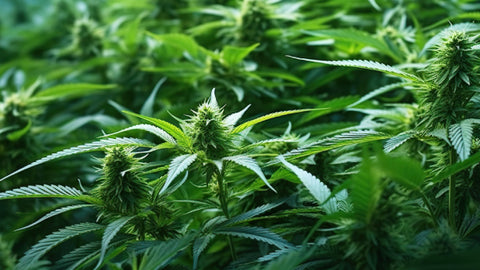
Climate for CBD cultivation
- Temperature: CBD plants prefer moderate temperatures (around 20-30 ° C). Extreme temperatures can negatively affect their growth.
- Humidity: It is important to maintain adequate humidity, particularly during the flowering phase. Excessive humidity can lead to mold problems.
- Sunshine: Plants need enough sunlight to grow healthy. In more cloudy climates, you may need to supplement with artificial light.
CBD season
- Growth cycle: Generally, CBD plants are sown in spring and harvest in autumn.
- Duration of the day: Cannabis plants respond to changes in the duration of the day. During the summer, longer days promote vegetative growth, while shorter days in autumn induce flowering.
- Protection against elements: Outdoors, it is crucial to protect extreme conditions such as frost, strong winds or heavy rains.
Selection of seeds and plants for CBD cultivation
Proper selection of seeds or cuttings is a critical step to ensure an effective and productive crop of CBD. Here I will guide you on how to make an informed choice and the importance of opting for varieties with low THC content.
Proper selection of seeds or cuttings is crucial to guarantee a successful and productive CBD culture. Here I provide you with a detailed guide to make the best choice:
Select specific CBD varieties
Opt for varieties that are genetically designed to produce high levels of CBD and low THC levels. Some strains can offer a balance of CBD and other beneficial cannabinoids such as CBG or CBN.
- Charlotte's Web: This strain is famous for its high CBD content and its low THC content. It is known for its ability to relieve pain, reduce anxiety and control seizures.
- Harlequin: Harlequin is a hybrid variety that presents an almost perfect balance between CBD and THC. It provides a soft and relaxing effect without producing significant psychoactive effects.
- AC/DC: ACDC is another popular variety known for its high CBD content and low THC content. It has been used to treat a variety of conditions, including chronic pain, inflammation and anxiety.
- Ringo's Gift: This strain is known for its high CBD content and its low THC content. It is appreciated for its analgesic properties and its ability to relieve stress and anxiety.
- SOUR TSUNAMI: Sour Tsunami is a hybrid variety that is characterized by its high CBD content and its low THC content. It is known for its ability to relieve pain, reduce inflammation and improve mood.
When selecting a specific CBD variety, it is important to consider your individual needs and preferences, as well as the available cultivation conditions.
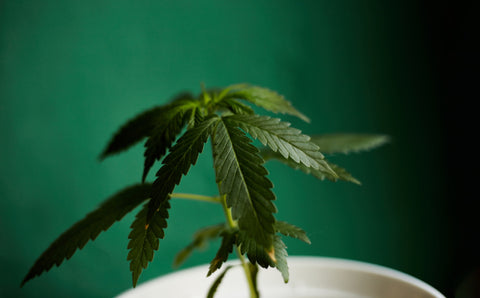
Consider the type of plant
- Regular seeds vs. Feminized: Feminized seeds guarantee female plants, which are those that produce flowers rich in CBD. Regular seeds can produce male or female plants.
- Self -confloring: Self -floring plants are easier to grow since they do not require changes in the light cycle to start flowering.
Evaluate growth needs and characteristics
- Endurance: Look for varieties resistant to diseases and pests, especially if you are a rookie grower.
- Climate and environment: Make sure the variety you choose is suitable for the weather and the cultivation conditions that you can provide.
Investigate growth and performance potential
- Size and space: Consider the final size of the plant and make sure you have enough space for its growth, both inside and outside.
- Performance: Some varieties offer greater yields than others, which is important if you seek to maximize CBD production.
Choose high quality plant cuttings
- Healthy mother plant: Make sure the cuttings come from a robust and healthy mother plant.
- Genetic history: Know the genetic history and performance of the mother plant to predict the characteristics of the cuttings.
Importance of choosing varieties with low THC content
The selection of cannabis varieties with low THC content is crucial for an effective and safe CBD crop. Here I highlight the key points on why this choice is so important:
- Legal compliance: Many laws differentiate between cannabis rich in THC and that with high CBD and low THC. Opting varieties with low THC is often essential to comply with local regulations and avoid possible legal sanctions.
- Non -psychoactive effects: People who seek the benefits of CBD, such as pain relief or anxiety reduction, generally prefer to avoid the psychoactive effects of THC. This is especially relevant to those who use CBD for therapeutic purposes.
- Accessibility for all users: Varieties with low THC are more suitable for a broader range of users, including those most sensitive to the effects of THC or prefer to avoid them for personal or health reasons.
- Precision in therapeutic treatments: Cultivating plants with low THC content allows a more precise dosage of CBD, crucial for therapeutic treatments that require consistency and control.
- Lower risk of adverse effects: THC can cause adverse effects on some users, such as anxiety or paranoia. The varieties with low THC minimize these risks, offering a safer experience for the user.
- Research and Development: There is a growing interest in developing and studying cannabis varieties with high CBD and Bajo Thc, which reflects an advance in research on the benefits and uses of cannabis.
- Market preferences: There is a growing demand for CBD products with low THC content, which can submit market opportunities for homemade growers.
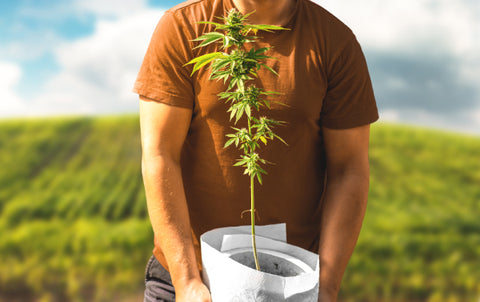
Tools and products necessary to plant CBD at home
To ensure a successful CBD crop at home, it is essential to have adequate tools and products. Here I provide you with a detailed list of both the essential tools and the recommended products for the care and maintenance of your plants.
Essential tools
- Containers or Pots: Choose appropriate size containers for your plants, preferably with good drainage.
- Quality substrate: A good substrate is crucial. Opt for mixtures designed for cannabis that allow adequate aeration and drainage.
- Lighting system: For internal crops, you will need growth lights. The options include LED lighting, Compact Fluorescent (CFL) and Metal Haluro / High Pressure Sodium (HID).
- Ventilation system: It is vital to control temperature and humidity. Includes air extractors, Fans and carbon filters.
- Digital timer: To automatically control light cycles.
- Temperature and humidity meters: To monitor the temperature and humidity of the environment.
- Ph and EC meters: To measure the acidity of water and substrate, and electrical conductivity (water nutrients).
- Watering can either Irrigation system: Essential for uniform and controlled irrigation.
- Pruning tools: Scissors sharp to prune and cut.
Care and maintenance products
- Fertilizers and nutrients: Select specific nutrients for cannabis, which include nitrogen (n), phosphorus (P) and potassium (k), in addition to micronutrients.
- Pest and disease control: Opt for organic and natural products to control pests and diseases, such as neem insecticides or insecticide soap.
- Root stimulators and growth: Products that help the development of roots and improve the general growth of the plant.
- Flowering fertilizer: To maximize the production of rich flowers in CBD.
- Support networks or tutors: Useful to maintain upright plants and properly distribute the branches.
- Drainage trays: To collect excess water and keep the culture area clean.
- Microscopes and magnifying glasss pocket: To inspect the trichomes and determine the optimal harvest moment. You can also learn How to see trichomas without magnifying glass, how for example with smartphones.
- CBD/THC Measurement Kits: Although more specialized, they can be useful to measure the cannabinoid content of your plants.
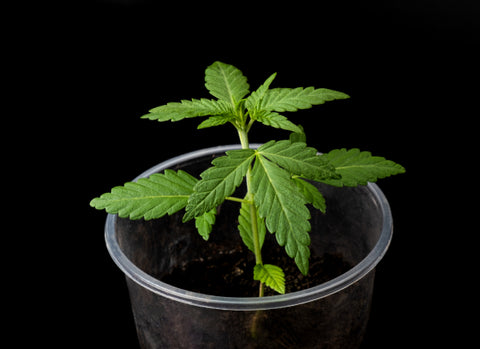
CBD cultivation process step by step
Cultivating CBD at home can be a rewarding and therapeutic experience. Here you have a step -by -step guide that covers from planting to harvest, along with essential tips on irrigation, lighting, fertilization and pest control.
Preparation and planting
- Selection of seeds/cuttings: Start with high quality seeds or cuttings of rich varieties in CBD and bass in THC.
- Seed germination: If you use seeds, germina placing them between wet paper towels or directly on the substrate.
- Plantation: Once germinated, plant the seeds or cuttings in pots with quality substrate.
Vegetative growth stage
- Lightning: It provides 18-24 hours of light per day. LED or HID lights are ideal for this phase.
- Irrigation: Keep the wet but not saturated substrate. Avoid excess water to prevent roots rot.
- Fertilization: Use a nitrogen rich fertilizer to promote vegetative growth.
Flowering stage
- Light cycle change: Reduces light to 12 hours a day to induce flowering.
- Fertilization: Change to a faster fertilizer and potassium content to support flowering.
- Support for plants: Use tutors or networks to support plants as they grow and flourish.
MAINTENANCE DURING THE CULTURE CYCLE
- Temperature and humidity control: Maintain a temperature of 20-25 ° C and a relative humidity of 40-60%.
- Pruning and training: Practice pruning lower leaves and uses training techniques to maximize exposure to light and air circulation.
Irrigation
- Frequency: Water when the substrate is dry to touch. Avoid excessive irrigation.
- Water quality: Use water at room temperature. If possible, measures and adjusts the pH of the water to a range of 6.0-7.0.
Lightning
- Intensity and spectrum: Make sure your plants receive the right amount of light with the correct spectrum for each growth phase.
- Distance from the lights: Keep the lights at an adequate distance to avoid burns in the plants.
Fertilizers for marijuana and CBD
- Follow instructions: Use fertilizers according to manufacturer's instructions.
- Nutrient balance: Make sure your plants receive all essential nutrients in adequate proportions.
Control of Pests and diseases of marijuana
- Prevention: Keep a clean cultivation atmosphere and regularly monitor your plants.
- Organic treatments: Use organic and natural solutions to control pests and diseases.
Harvest and drying
- Optimal moment: Look at trichomes with a magnifying glass. When most are beds and some amber, it is time to harvest.
- Harvest process: Cut the branches, remove large leaves and hang the branches to dry them in a dark and ventilated place.
- Drying: Let the plants dry for 7-14 days until the stems break when bending.
- Cured: Place the buds in airtight jars, opening them daily to air them, for at least two weeks.