

Cannabis cultivation, an millenary practice, has evolved over time, integrating innovative techniques and materials to improve the quality and efficiency of crops. Among these, the Guano has emerged as an essential component, providing cultivators with a natural and powerful tool to nurture their plants. But,How to make marijuana plants guano? This question, crucial to optimize cannabis growth and flowering, reveals the importance of understanding not only how, but also when using this resource. The guano, known for its high content of essential nutrients, plays a vital role in the healthy development of marijuana plants. Its proper use can make the difference between a mediocre and an exceptional harvest.
Guano can be applied every 2-4 weeks during the vegetative growth phase and until the beginning of flowering. During flowering, you can reduce the frequency to every 4-6 weeks. It is crucial to follow the manufacturer's instructions and observe the response of the plants to avoid supercharging.
What is the guano for?
Guano is a type of organic fertilizer that consists of the excrement of sea birds, bats and seals. This material, accumulated for centuries in certain regions, is highly valued in agriculture for its rich nutritional composition. Its content varies slightly depending on its origin, but is generally rich in nitrogen, phosphorus and potassium, three key elements in plant growth.
In marijuana cultivation, the guano plays a crucial role due to his properties unique:
- Nutritional wealth: Guano is a complete fertilizer, contributing not only essential macronutrients such as nitrogen, phosphorus and potassium, but also micronutrients necessary for the optimal growth of plants.
- Improve soil quality: Being an organic product, guano improves soil structure, increasing its ability to retain water and nutrients. This is particularly beneficial in sandy or very worked soils.
- Growth stimulation: The nitrogen present in the guano is crucial for the vegetative growth of cannabis, promoting larger leaves and stronger stems.
- Flowering promotion: Phosphorus and potassium are fundamental during the flowering stage. They help in the development of dense and resinous flowers, desired characteristics in marijuana plants.
- Plant health improvement: Guano contains beneficial microorganisms that help protect disease roots and stimulate greater nutrient absorption.
- Positive environmental impact: Being a natural product, the use of guano is an ecological alternative to chemical fertilizers, reducing the carbon footprint of the crop.
Best products with guano for cannabis
Selecting the best products with guano for cannabis cultivation implies considering its origin, the proportion of nutrients and the specific use recommendations for marijuana plants.
Aspects to consider
- N-P-K analysis: Verify the nutrient analysis (nitrogen, phosphorus, potassium) in the packaging to ensure that the product fits the needs of your crop in its current phase.
- Organic certified: Opt for certified products as organic, which guarantees that the guano is of high quality and free of pollutants.
- Reputation and reviews: Look for reviews from other cannabis growers to see how the product has worked in situations similar to yours.
- Instructions for use: Choose products that offer clear instructions on how and when to apply the guano to your marijuana plants, since this can vary significantly between different types of guano.
- Application versatility: Some guano products are ready to be applied directly to the ground, while others may require being prepared as guano tea. Consider what method you prefer and choose a product that suits your needs.
Grow Industry recommendations
With Grow Industry we want to recommend the following products:
PLAGRON BAT
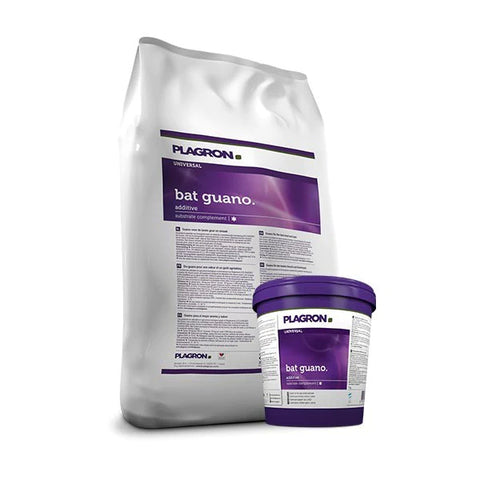
The Plangron Bat Guano product is an organic fertilizer designed for the flowering stage of plants, helping their growth and fattening of fruits. Available in 1kg and 5KG presentations, it is a slow action fertilizer that is mixed with the substrate or applied around the stem. 100% organic, contains high levels of phosphorus and potassium (PK), essential during flowering. To apply it, it is recommended to mix 1 or 2 tablespoons per 7L pot, repeating the dose every 15 or 20 days for long flowering plants.
Top Crop Superguan
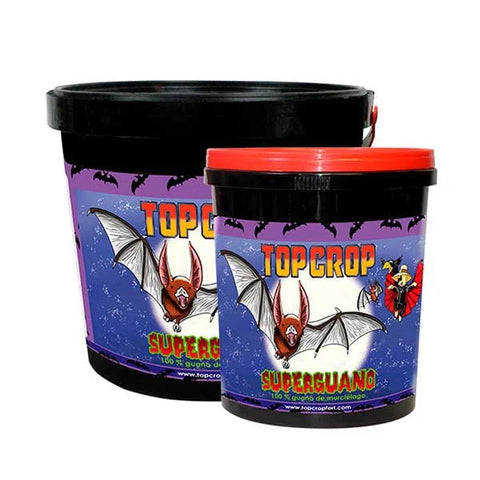
Top Crop Superguan is a 100% ecological fertilizer powder, designed to improve the formation and development of flowers, offering greater quality, flavor and aroma. Composed of natural bat guano, contains 1% nitrogen, 10% phosphorus, 0.1% of potassium, more than 30% calcium, 1.5% magnesium, 14000 ppm of iron and 3000 ppm of manganese. Recommended for both interior and exterior cultivation, its dosage varies according to the use, being able to complement each other with other products to optimize the results.
Bat Mix 50L of plagron
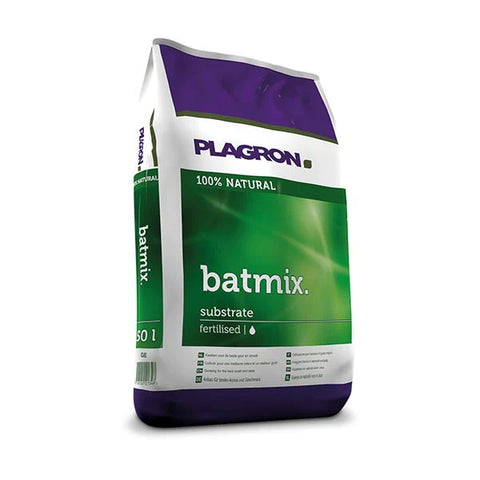
The Bat Mix 50L product of Plagron is a substrate specially designed for self -floring plants and other varieties that require high levels of phosphorus and potassium. It is 100% organic, including ingredients such as high quality mobs, earthworm humus and bat guano. This substrate helps plants absorb the necessary nutrients until the sixth week of cultivation, guaranteeing better water growth and retention.
How to make marijuana plants guano
The application of guano in marijuana cultivation must be carefully scheduled to coincide with the different stages of plant development. Each stage requires different types and quantities of nutrients for optimal growth. Here we detail the recommendations for each phase:
- Germination: In the germination stage, the guano does not usually apply directly, since cannabis seeds have enough nutrients to germinate and begin their growth. A soil too rich in nutrients can be counterproductive.
- Seedling: Young plants are still sensitive and may suffer if they are applied too fertilizer. It is advisable to wait until the plant has at least a couple of real -leaf games before introducing guano into small quantities.
- Vegetative growth: During the vegetative growth phase, the guano can be applied every two weeks. It should opt for a richer in nitrogen, since it is crucial for the development of the structure and foliage of the plant.
- Pre-floco: When the flowering phase approximates, a gradual change towards a guano richer in phosphorus and potassium is recommended, reducing nitrogen content. The application can remain biweekly, adjusting the amounts according to the response of the plant.
- Burciélago Guano for Flowering: In the flowering stage, the guano rich in phosphorus and potassium is vital. It can be applied every two to three weeks, depending on the specific needs of the plant. The objective is to support the development of dense and resinous buds.
Guano application methods
Applying Guano effectively is essential to maximize its benefits in marijuana cultivation. Here I present some techniques and tips to ensure a safe and efficient application:
- Direct application to the ground: This is the easiest way to use the guano. It can spread directly to the soil surface around the plant. To be effective, it is important to incorporate it slightly on the ground or cover it with a thin layer of earth. This helps nutrients to filter towards the roots and not be lost with the wind or surface water.
- Guano: Guano tea is a liquid solution that allows faster and more direct nutrient absorption. To prepare it, mixture with water and let it rest for several days, shaking it occasionally. Then, filter the mixture and use it to water the plants. This technique is especially useful during the flowering phase, since plants require rapid absorption of nutrients.
- Mix with the ground in the plantation: When preparing the floor to plant, you can mix guano on the earth. This ensures that plants have access to nutrients from the beginning, promoting a strong root system and healthy growth from the initial phase.
- Top Dressing: This technique consists of applying a cape of guano on the ground surface, around the plant. It is an effective way to provide additional nutrients during growth and flowering stages.
Tips for a safe and effective application
- Adequate dose: Do not exceed the recommended amounts of Guano. An excess may burn the roots and damage the plant. It is always better to start with a smaller dose and adjust according to the plant's response.
- Consistency in the application: Keep a regular application schedule to ensure that plants receive nutrients constantly.
- Plant observation: Pay attention to how your plants react after applying the guano. Changes in the color of the leaves or in the growth rate may indicate whether you need to adjust the amount or frequency of application.
- Use protection equipment: When manipules guano, especially in his dry form, wears gloves and mask to avoid dust inhalation and direct contact with the skin.
- Proper storage: Save the guano in a dry and fresh place to maintain its effectiveness. If moistened, you can lose your properties or generate fungi.

Factors to consider when using guano in cannabis
The use of guano in cannabis cultivation implies considering several factors to ensure that its application is as effective as possible. Here we analyze the main elements to take into account
Type of soil
- Sandy soils: These soils have a low nutrient retention capacity. In them, the guano can be applied more frequently, but in minor quantities, to avoid the accumulation of salts.
- Clay soils: They have high nutrient retention capacity, so the guano should be applied less frequently to avoid overfertilization.
- Organic soils: They are usually balanced and would only need moderate guano applications to maintain their fertility.
Climate
- Warm and humid climates: In these climates, nutrients in the guano break down and release more quickly, which may require a less frequent application.
- Cold or dry climates: Nutrient's decomposition and release is slower, which can justify a more regular application to maintain a constant nutrient supply.
Guano type
- Bat guano: Generally rich in phosphorus, it is ideal for the flowering phase. The application frequency will depend on the growth stage and the type of soil.
- Sea bird guano: It usually has a higher nitrogen content, perfect for the vegetative growth phase. It must be applied with caution to avoid excess nitrogen.
Adjusting the application frequency
- In sandy soils: You may need to apply guano more often, but in minor quantities, to make sure that plants receive nutrients continuously without saturating the soil.
- In clay or rich soils: Reduces the frequency of application to avoid the accumulation of nutrients, which could lead to an imbalance in the soil and damage the plants.
- In warm and humid climates: The frequency can be lower since the guano breaks down faster, releasing nutrients at a more accelerated pace.
- In cold or dry climates: It may be necessary to apply guano more regularly, since the decomposition and release of nutrients is slower.
- With different types of guano: Adjust the frequency and quantity according to the growth stage of the plant and the specific guano type you are using.