

In recent years, interest in Cannabidiol culture, commonly known as CBD, has experienced an unprecedented boom. This trend not only reflects a change in public perception of cannabis and its derivatives, but also a growing recognition of benefits and CBD properties. With an approach to well -being and sustainability, more and more people wonder how to plant CBD in their own homes or land, looking for a more direct connection with this versatile plant.
Plantar CBD is not only a rewarding activity, but also represents a way of understanding better and appreciating the unique qualities of this plant. From home gardeners to professional farmers, the interest in learning to plant CBD has generated a diverse and dedicated community, anxious to share knowledge and experiences.
Plantar CBD requires selecting adequate strains. Germinates the seeds and plant in pots with rich substrate. Maintain optimal conditions of light, water and nutrients. Harvest when the trichomes are ripe and heals the buds to improve flavor and aroma.
Requirements to cultivate CBD
For those interested in how to plant CBD, it is essential to understand the basic principles that guarantee a successful crop. Either indoor or outdoors, CBD cultivation shares certain essential requirements that must be carefully considered to ensure the optimal development of plants.
- Selection of the variety: Choosing the appropriate variety is the first crucial step in the CBD plantar process. The seeds must be of high quality and adequate for the climate and the culture environment. Rich varieties in CBD and with low THC levels are the most sought after to comply with legal regulations and maximize therapeutic benefits.
- Soil conditions: A fertile and well drained soil is essential. CBD hemp prefers nutrient -rich soils with a good balance of clay, sand and organic matter. The pH of the soil must also be monitored, ideally maintaining between 6.0 and 7.0.
- Lighting and temperature: CBD plants require a good amount of sunlight or adequate artificial lighting if grown indoors. The temperature also plays an important role; A temperate climate is ideal, avoiding extremes of cold or heat.
- Irrigation and nutrition: A regular and moderate irrigation is vital, avoiding the flooding that the roots can damage. Proper nutrition, especially during growth and flowering phases, is essential for healthy crop.
- Maintenance and plague controlS: It is important to perform regular maintenance to control weeds and pests. The use of organic and natural methods for pest control is preferable to maintain the quality of the CBD.
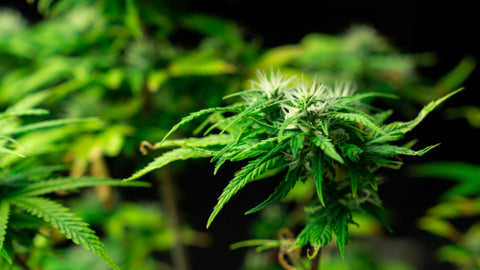
Tools and materials needed to grow CBD
To start in the art of plantar CBD, it is essential to have the appropriate tools and materials. Here we present a detailed list that will help you prepare for this exciting process:
- Quality seeds: Selection of seeds is crucial. Opt for certified and specific seeds for CBD, making sure they are suitable for your climate and culture environment.
- Adequate soil: Choose a substratum Nutrient rich with good drainage. The ideal floor must have a pH between 6.0 and 7.0. You can modify the existing soil with compost or acquire a specific land mixture for hemp culture.
- Irrigation systems: Depending on the size of your crop, you may need a simple or more advanced irrigation system. Make sure your plants receive the right amount of water without saturating the ground.
- Lighting (for internal crops): If you decide to plant CBD indoors, you will need an adequate lighting system, such as LED lights complete spectrum.
- Tools of gardening: Prepare with basic tools such as shovels, rakes, pruning scissors, gloves and, possibly, a pH meter for the floor.
- Fertilizers and supplements: Choose organic fertilizers and supplements rich in essential nutrients for the growth of CBD plants.
- Protection against pests and diseases: Hand organic products for the control of pests and diseases, always respecting sustainable practices.
- Containers or Pots (For small -scale crops): If your space is limited or you prefer more detailed control, consider using pots or containers.
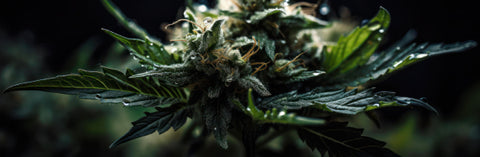
Step by step guide CBD
The process of planting CBD and its subsequent care is essential to guarantee a healthy and productive crop. Next, the key steps and tips are detailed:
Step 1: Soil preparation
Soil preparation is a critical step in the process of planting CBD, since adequate soil is the basis for the healthy growth of your plants. Here we detail how to prepare your floor optimally:
Soil evaluation
- Before planting, evaluate the quality of your soil. Consider performing a soil analysis to determine its texture, nutrients and pH.
- The ideal soil for CBD cultivation must have a good drainage, be rich in organic matter and have a balanced texture between clay and sandy.
PH setting
- The pH of the soil must be between 6.0 and 7.0 for optimal hemp growth. If the pH is not in this range, you can adjust it.
- Use PH regulator for plants To get the optimal pH.
Soil enrichment
- Add compost or very broken manure to enrich the soil with essential nutrients. This also helps improve soil structure and its ability to retain water.
- Consider adding a slow release fertilizer at the beginning of the planting process to provide additional nutrients as plants grow.
Carved and aeration
- Labra or excavates the ground to a depth of at least 30 cm to make sure it is loose and aerated. This facilitates the growth of roots and improves the absorption of water and nutrients.
- Be sure to eliminate weeds and debris that can hinder plant growth.
Final preparation
- Once the ground is properly prepared, nivage it and soften it with a rake. This creates a uniform surface for planting CBD seeds.
- If you are going to use containers or pots, make sure they have a good drain and fill them with a mixture of adequate soil following these same principles.
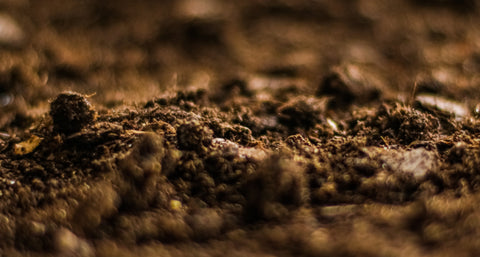
Step 2: Seed planting
Seed planting is an essential step in the process of planting CBD, and doing so can significantly influence the health and performance of your plants. Here we explain how to proceed:
Choice of the right moment
The ideal time to sow CBD seeds depends on your local climate. Generally, it is recommended to plant after the last spring frost, when the soil temperature is warm enough.
Seed preparation
Before planting, some people choose to germinate CBD seeds. You can do it by placing them between wet paper towels in a warm and dark place until they sprout.
Sowing method
- Make holes or furrows on the ground prepared, maintaining a distance of approximately 70-100 cm between each plant to guarantee an adequate space for its growth.
- Plant the seeds at a depth of 1-2 cm. Cover the seeds gently with earth, without compacting it too much.
Initial irrigation
- After planting the seeds, water the floor evenly. This first irrigation must be careful not to displace the seeds.
- Keep the soil wet but not flooded, especially during the germination stage.
Germination stage
- CBD seeds usually germinate in about 7-14 days, depending on soil and weather conditions.
- During this phase, it is crucial to keep the soil wet and protect the seeds of extreme conditions, such as late frosts or intense heat.
Initial care
- Once the seedlings emerge, make sure they receive enough sunlight and are protected from strong or predators such as birds or insects.
- Continue with regular and soft irrigation, adjusting the frequency according to the needs of plants and climatic conditions.
Step 3: Irrigation
The proper irrigation is vital in the process of planting CBD, since a balanced water supply is crucial to the health and development of plants. Here we offer you some guidelines to water your CBD plants effectively:
Determination of irrigation frequency
- The irrigation frequency depends on several factors such as climate, soil type and plant growth stage. In general, hemp for CBD prefers constantly humid soil, but not flooded.
- In the initial growth stages, plants need more frequent and soft irrigation. As they establish and grow, they can tolerate longer irrigation intervals.
Irrigation methods for cannabis
- It uses irrigation techniques that avoid ground waterlogging and excessive humidity in the leaves, which can lead to diseases. Black irrigation is ideal, since it provides constant hydration directly to the roots.
- Avoid watering plants during the hottest hours of the day to minimize evaporation and stress in plants.
Soil moisture monitoring
- Regularly verify the moisture of the soil to ensure that you are providing the appropriate amount of water. You can do it simply by introducing a finger on the floor near the plant. If the first centimeters are dry, it is time to water.
- Consider the use of a soil moisture meter to obtain more precise measurements, especially if you are new in CBD cultivation.
Irrigation adjustment according to climatic conditions
- In warm and dry climates, plants will need more frequent irrigation. On the other hand, in colder climates or for periods of rain, it reduces the frequency of irrigation.
- Keep in mind the specific needs of your plants and adjust your irrigation routine accordingly.
Final considerations
- As plants approach flowering and harvest, they may require different amounts of water. Carefully observe plants to detect signs of water stress and adjust irrigation as necessary.
- Adequate irrigation is crucial to maximize the quality and quantity of your CBD crops.
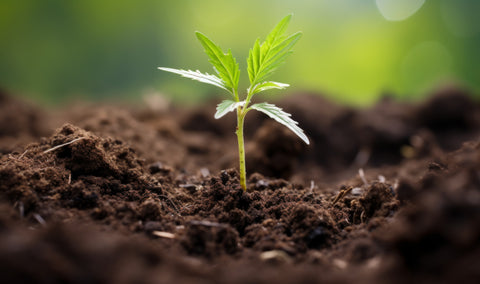
Step 4: Lightning
Lighting plays a crucial role in the CBD plantar process, since light is essential for photosynthesis and the general development of plants. Both in external and interior crops, the proper management of light is essential:
Lighting in external crops
- CBD plants require a significant amount of direct sunlight for optimal growth. Ideally, they should receive at least 6 to 8 hours of direct sunlight per day.
- Choose a location for your crop where plants are exposed to sufficient sunlight throughout the day. Avoid areas with prolonged shadow or where structures and trees can block sunlight.
Lighting in interior crops
- If you decide to plant CBD indoors, artificial lighting becomes essential. The complete spectrum lights are ideal, since they imitate sunlight and provide the different types of light that plants need in various stages of their life cycle.
- Keep a regular light and dark schedule to simulate the natural conditions of day and night. Generally, a phase of 18 hours of light followed by 6 hours of darkness is effective during the vegetative stage of the plants.
- Adjust the height of the lights as plants grow to make sure they receive the intensity of adequate light without burning.
Additional considerations
- In interior crops, make sure that the heat generated by the lights does not raise the ambient temperature too much, which could stress the plants.
- For external crops, keep in mind the seasonal variations in the quantity and intensity of sunlight. During the hottest and sunny months, some plants may require protection against excessive sunlight to avoid heat stress.
Step 5: Fertilizers and nutrition
Providing adequate nutrition is fundamental in the process of planting CBD, since nutrients are essential for healthy growth and plant production. Next, we offer you a guide on how to nourish your CBD plants effectively:
Fertilizer selection
- Choose fertilizers that are well balanced and designed for plants such as hemp, which require a specific mixture of nutrients.
- Organic fertilizers are preferable, since they promote healthy and sustainable growth, and are more environmentally friendly.
Nutrition phases
- During the vegetative growth phase, CBD plants need more nitrogen to promote the development of robust leaves and stems.
- As plants enter the flowering phase, they require a greater amount of phosphorus and potassium to support the development of flowers and CBD production.
APPLICATION OF FERTILIZERS
- Apply fertilizers according to the manufacturer's recommendations and taking into account the specific needs of your plants.
- It is important not to overfertilize, as this can damage plants. Look at plants for deficiency or excess nutrient signs and adjust fertilization accordingly.
Monitoring and adjustment
- Regularly monitor the status of your plants to identify any sign of nutritional deficiency. Decolorida leaves, slow growth or poorly developed flowers may indicate a lack of nutrients.
- Adjust the fertilization program based on the observation of your plants and the phases of your life cycle.
Sustainable practices
Consider complementing your fertilization regime with organic practices such as composting or mulching, which can improve soil health and provide additionally nutrients sustainably.
Step 6: Pruning and maintenance
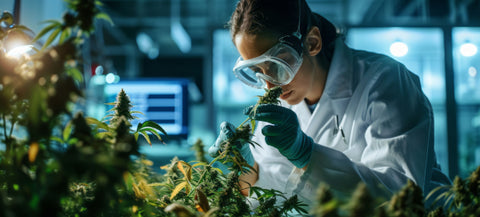
Pruning and appropriate maintenance are essential aspects for successful CBD cultivation. These practices not only help promote healthy and balanced growth, but also prevent the proliferation of diseases and pests.
Pruning for healthy growth
- Regular pruning allows CBD plants to concentrate their energy on the development of healthy flowers and leaves, which can result in a higher CBD performance.
- Eliminates the lower leaves that receive little light and any dead or sick branch or branch to improve air circulation and exposure to light throughout the plant.
- During the flowering phase, you can prune the upper leaves to allow light to reach the lower flowers, thus stimulating a more uniform growth.
Surveillance and pest control
- Regularly inspect your plants for signs of pests or diseases, such as discolored leaves, spots, or the presence of insects.
- It uses organic and sustainable methods for pest control, such as natural insecticides or the introduction of natural predators of common pests in hemp cultures.
- Prevention is key: Keep the culture area clean and avoid excess moisture, which can encourage the appearance of diseases and fungi.
Control of Pests and diseases of marijuana
- Given the first signs of disease, act quickly to identify and treat the problem. This may include the elimination of affected parts of the plant or the use of organic fungicides.
- Keep a good air flow between plants and avoid nutrient overload, since both can increase susceptibility to diseases.
Regular maintenance
- Clean and regularly disinfect your gardening tools to avoid the spread of diseases.
- If you grow in containers or pots, make sure they are clean and that the ground remains healthy.
Step 7: Growth monitoring
The constant monitoring of the growth of your plants is a crucial component in the CBD plantar process. An attentive and regular observation allows you to detect and respond to any problem in a timely manner, thus ensuring the best care for your plants. Here we offer you some tips for effective monitoring:
Daily observation
- Make the observation of your CBD plants a daily practice. This will help you familiarize yourself with its normal appearance and quickly detect any change or stress signal.
- Pay attention to leaves, stems, and flowers, looking for signs such as discoloration, wilting, or deformation, which may indicate nutritional, irrigation, or disease problems.
Growth record
- Keeping a record of your plants can be extremely useful. Write down details such as changes in size, color, and general health.
- This record can also include information about irrigation, fertilization, and any applied treatment, which will allow you to correlate cultivation practices with the status of your plants.
Problem identification
- Learn to identify common problems in CBD cultivation, such as nutritional deficiencies, irrigation problems, pests and diseases.
- If you detect a problem, investigate and take corrective measures to avoid spreading or worsening.
Adjustments and improvements
- Based on your observations, make adjustments in the care of your plants as necessary. This may include changes in irrigation, nutrition, lighting or pruning practices.
- Do not be afraid to experience and adjust your approach to find what works best for your CBD plants in your specific environment.
Consult with experts
If you find problems that you cannot solve, do not hesitate to seek advice of experts or the community of CBD growers.
Sharing experiences and solutions can be invaluable for the effective management of your cultivation.
Harvest and drying of CBD
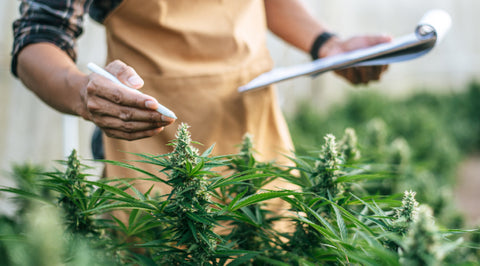
Success in CBD cultivation does not end with plant growth; The harvest and post-harvest procedures are equally crucial. Here we offer you a guide to identify the optimal moment to harvest and how to properly handle the CBD after the harvest:
Optimal for harvesting
- Look at the trichomes (small resinous glands) in the flowers of the plant. When most trichomes have a milky or amber appearance, it is an indicator that flowers are at its maximum CBD point.
- Another signal is the coloration of the pistils (small hairs). When around 60-70% of the pistils change from white to an orange or brown color, it is a good time to consider the harvest.
Post-harvest procedures
- Drying: After reaping, hang the plants in a dry, dark and well ventilated place. The drying process can take one to two weeks.
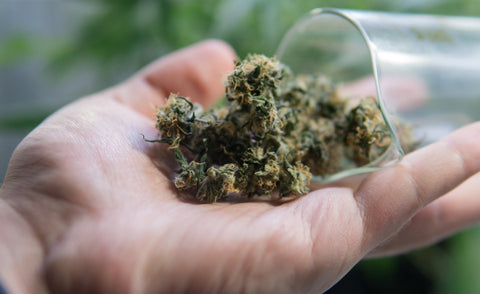
- Cured: Once dry, cut the flowers and guide them in airtight jars. Open the jars periodically to allow air circulation and eliminate excessive humidity.
- Storage: Stores the bottles in a fresh and dark place to preserve the power and aroma of the CBD.
Proper CBD storage
- The CBD must be stored in a fresh and dark environment, far from the direct light of the sun, excessive heat and humidity.
- Use hermetic containers to protect CBD from air exposure and prolong your useful life.
Legality of CBD cultivation
Before immersing ourselves in how to plant CBD, it is crucial to address a fundamental question: Is it legal planting CBD? The answer varies significantly according to the region and local laws. In general terms, the cultivation of hemp plants, of which the CBD is extracted, has gained legality in numerous countries, especially where the CBD is recognized by its therapeutic and non -psychoactive applications. However, it is essential that those interested in this crop are informed and comply with the specific regulations of their region.
Focusing our attention in Spain, the legal situation as to "CBD can be planted in Spain" is a topic of great interest. In Spain, CBD hemp culture is allowed, as long as plants do not exceed 0.2% of THC, the psychoactive cannabis component. This means that, under certain conditions and complying with the limits of THC, farmers and enthusiasts can legally cultivate varieties of industrial hemp rich in CBD. In addition, it is important to obtain the necessary licenses and permits before starting the crop.
It is essential that the legality of the CBD culture may be subject to changes and variations, not only in Spain but throughout the world. Therefore, it is recommended to consult local laws and stay updated with current regulations. This measure not only ensures the legality of the crop but also protects cultivators from possible legal complications.