
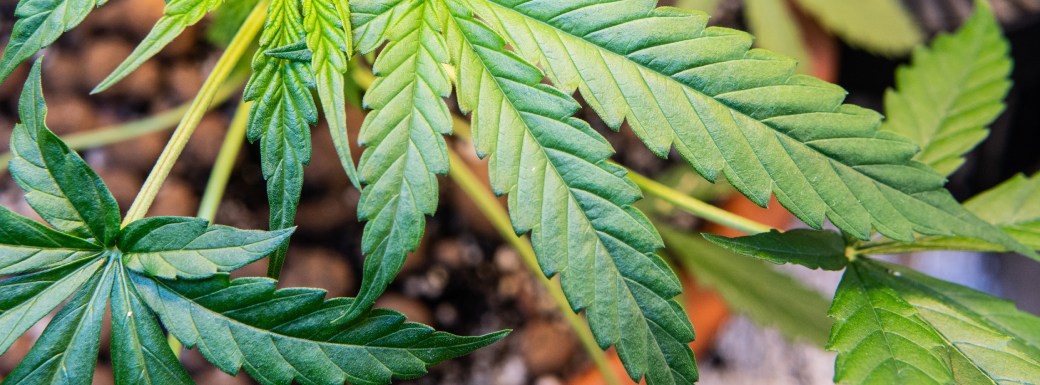
Cannabis cultivation, an ancient practice that has evolved over the years, has become a science and an art that requires specific knowledge and dedication. One of the crucial aspects to guarantee a successful crop is adequate cannabis irrigation. Water is not only essential for the life of any plant, but in the case of cannabis, it plays a vital role in all stages of its development, from germination to flowering.
An effective irrigation in cannabis cultivation is not just about supplying water; It is a delicate balance that needs to be handled with care and precision. The amount of water, the frequency of irrigation and the method used can have a deep impact on the health and productivity of cannabis plants. Inappropriate irrigation can lead to problems such as asphyxiation of roots, water stress and the decrease in nutrient absorption, which in turn can negatively affect the quality and quantity of the harvest.
Irrigation methods for cannabis include manual irrigation, drip, automatic and underground. The choice depends on the size of the crop, water availability and budget. Control the quantity and frequency to avoid moisture problems.
He Irrigation in cannabis
Cannabis irrigation is much more than simply providing water to plants. It is an essential component that requires understanding and precision to ensure optimal and healthy growth. The basic principles of irrigation in cannabis focus to understand and meet the specific water needs of the plant, which vary according to different factors such as the growth stage, environmental conditions and the type of substrate used.
First, it is essential to understand that cannabis has different water requirements during its life stages. In the germination phase and seedlings, plants require minor amounts of water, focusing on keeping moisture without flooding the soil. As the plant grows and enters the vegetative and flowering phases, its water needs increase significantly, requiring a more regular and abundant irrigation to sustain its rapid development and the formation of flowers.
Another crucial aspect is the recognition of the importance of oxygen in the root system. The roots of cannabis plants need not only water but also oxygen to function properly. Excessive irrigation can lead to soil saturation, reducing the air space and causing the suffocation of the roots. On the contrary, insufficient irrigation can cause the roots to dry and negatively affect nutrient absorption and the general growth of the plant.
In addition, the type of soil or substrate used influences the frequency and amount of irrigation. Substrates such as coconut fiber retain more water than others such as perlite, which means that irrigation needs will vary according to the chosen medium. Understanding how water moves and retains in its specific culture environment is vital to establish an effective irrigation regime.
Finally, constant monitoring and adjustment of irrigation are essential. Cultivators must be attentive to the signs that plants show, adjusting irrigation practices as necessary. This includes considering environmental factors such as temperature and humidity, which can alter the evapotranspiration rate and, therefore, the water needs of plants.

Irrigation methods for cannabis
Effective irrigation in cannabis cultivation can be achieved through several methods, each with their own advantages and disadvantages. The choice of the appropriate method depends on several factors, including the size of the crop, the environmental conditions, the available resources and the personal preferences of the cultivator. Next, we explore some of the most common irrigation methods in cannabis cultivation.
Manual irrigation
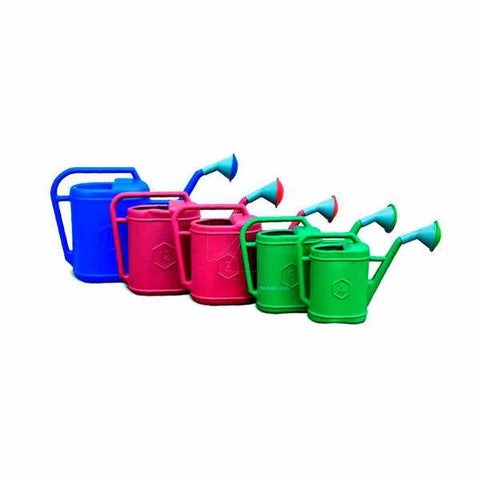
Manual irrigation is a traditional and simple technique that involves supplying water to cannabis plants directly with tools such as irrigation or hoses. This method is commonly used in small -scale cannabis crops or in domestic gardens.
Characteristics of manual irrigation
- Direct control: It allows the cultivator to inspect each plant close during irrigation, which is useful to identify early health or soil health problems.
- Simplicity: It does not require complex or expensive equipment. A watering can or hose is enough to start.
- Flexibility: It is easy to adjust the amount of water supplied to each plant, according to their specific needs in different stages of growth.
Considerations for manual irrigation
- Consistency: It is important to be consistent in the amount of water applied to each plant to avoid unequal irrigation.
- Time efficiency: It can be a method that consumes a lot of time, especially in larger crops.
- Cultivator's knowledge: It requires that the grower understand the water needs of the plants and be attentive to changes in soil and environment conditions.
- Physical access: It is necessary to have easy access to all plants, which can be a challenge in dense or extensive crops.
Advantages
- It allows personalized attention to each plant, ensuring that their specific needs are met.
- It does not require significant team investment.
- Ideal for small crops or domestic gardens.
Disadvantages
- It can be very laborious and consume a lot of time, especially in large crops.
- Risk of inconsistency in the amount of water provided.
- Difficult to keep in large operations or for cultivators with limited time.
Drip irrigation
Black irrigation is an efficient system that supplies water directly to the base of each cannabis plant through a set of pipes and emitters. This method is very popular in commercial and large -scale crops due to its efficiency and practicality.
Great irrigation characteristics
- Uniform water distribution: Ensures that each plant receives a consistent amount of water, which is crucial for uniform growth.
- Water savings: Minimizes water waste when applying it directly where it is needed, avoiding evaporation and superficial runoff.
- Potential automation: It can be combined with timers and control systems to automate the irrigation process, saving time and work.
Considerations for drip irrigation
- Initial investment: It requires an initial investment for the purchase and installation of the pipeline and emitters system.
- Maintenance: Regular maintenance may require to avoid the obstruction of the emitters and ensure efficient operation.
- Adaptability: Although it is ideal for established crops, it can be less flexible for crops that change configuration frequently or for experimentation with different cultivation techniques.
- Technical requirements: It requires some technical knowledge to install drip irrigation and that works properly.
Advantages
- Efficient in the use of water, minimizing waste.
- Uniform distribution of water to all plants.
- Reduces labor in large crops and can be semi-automatized.
Disadvantages
- It requires an initial equipment in equipment and its installation.
- You may need regular maintenance to avoid obstructions.
- Less flexible compared to manual irrigation for small modifications or crops that change frequently.
Automated systems
Automated irrigation systems represent the most advanced technology in cannabis care, offering a complete automation of the irrigation process. These systems use timers, humidity sensors and other devices to automatically regulate water supply to plants.
Characteristics of automated systems
- Programming and precise control: They allow to establish specific irrigation schedules and adjust the amount of water according to the needs of the plants, which is ideal for maintaining consistent and efficient irrigation.
- Manual labor reduction: They minimize the need for human intervention, which is especially valuable for large crops.
- Adaptability to crop conditions: Some systems can be adjusted in response to changes in soil moisture or in climatic conditions, providing optimal irrigation at all times.
Considerations for automated systems
- High initial investment: These systems require significant investment for initial installation and configuration.
- Technological dependence: There is a risk of malfunction or technical failures, which could interrupt irrigation if it is not detected in time.
- Installation and maintenance complexity: They require technical knowledge for installation and maintenance, as well as regular supervision to ensure proper operation.
- Less flexibility for rapid changes: Although they are programmable, they can be less adaptive to immediate changes in irrigation needs, compared to manual or drip irrigation.
Outdoor cannabis irrigation
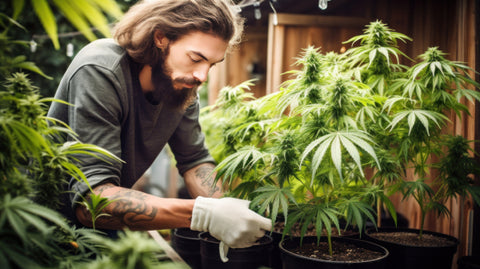
Irrigation of outdoor marijuana plants is a critical aspect that should consider both natural rainfall and the specific needs of the plant. The frequency of irrigation will depend on several factors, including the weather, the type of soil, the plant growth stage and the irrigation method used.
Consideration of rainwater
In areas with regular rains, the need for additional irrigation will decrease. It is important to monitor the amount of rain and adjust irrigation accordingly.
In dry climates, plants will depend more on irrigation provided by the cultivator.
Types of irrigation and exterior periodicity
- Manual irrigation: Outdoors, this method allows you to easily adjust the amount of water provided, considering recent rain. It is recommended to verify soil moisture before watering, especially after rains. The frequency can vary several times a week only once, depending on climatic and soil conditions.
- Drip irrigation: Ideal to maintain a constant level of humidity without irrigation, especially useful in areas with irregular rains. The drip irrigation programming must be adjusted according to the season and the rainfall received.
- Automated systems: They can be programmed to complement natural rains, activating only when necessary. Soil moisture sensors are particularly useful to automatically adjust irrigation in response to rains.
Determination of irrigation frequency
- As a general rule, it is advisable to water when the first centimeters of the ground are dry to the touch. In early stages, this can mean irrigation every 2-3 days, while in more advanced growth stages, plants may require water more frequently.
- In periods of high temperatures or strong winds, which increase evaporation, plants may need more frequent irrigation.
Additional considerations
- The soil capacity to retain water is crucial. Sandy soils require more frequent irrigation, while clay soils retain water for longer.
- The growth stage of the plant will also influence its water needs. Flowering plants, for example, may require more water than in other stages.
What to take into account when choosing the type of irrigation?
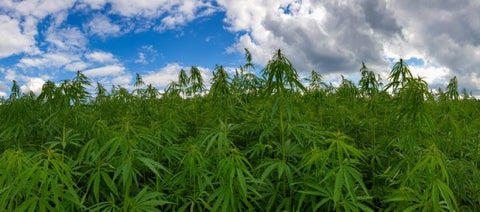
When choosing the type of irrigation for a cannabis culture, there are several important factors to consider to ensure that the specific needs of the plants are met and the efficiency of the crop is maximized. These factors include:
- Size and culture scale: Small crops can handle manual irrigation, while larger operations can benefit from drip or automated irrigation systems.
- Available resources: Evaluate the initial investment and the available time. More complex systems require greater investment and less manual time.
- Type of soil and drainage conditions: Choose an irrigation method appropriate to the type of soil to avoid watering or excessive drying.
- Climatic and environmental conditions: Consider the necessary irrigation frequency according to the weather and the temperatures of the area.
- Plant growth stage: Make sure the irrigation system can adjust to the changing needs of plants at different stages.
- Labor and experience: Keep in mind the amount of manual work and the level of knowledge required to operate the irrigation system.
- Sustainability and efficiency in water use: Prefer systems that minimize water waste and be sustainable.
- Flexibility and scalability: Choose a system that can adapt to future changes or expansions in the crop.
Best practices and advice
Optimizing irrigation in cannabis cultivation is essential to guarantee the health and productivity of plants. Next, some recommendations and advice are offered to improve irrigation, adapting to the specific needs of cannabis.
- Understand water needs: Cannabis plants have different water needs at each growth stage. It is crucial to know these variations to adjust irrigation properly.
- Maintain a consistent irrigation program: Establish and follow a regular irrigation schedule, adjusting it according to the climatic conditions and the signs of the plants.
- Opt for deep and spaced irrigation: Promote a strong root system through less frequent but deeper irrigation.
- Choose the proper irrigation method: Select an irrigation system that adapts to the size and type of its crop, such as manual irrigation for small gardens or automated systems for larger areas.
- Regularly verify soil moisture: Use a moisture meter or finger method to avoid excessive irrigation.
- Use good quality water: Prefer filtered or rested water to eliminate chlorine and avoid too hard water.
- Avoid irrigation in intense heat hours: Water in the early hours of the morning or at night to reduce evaporation.
- Be adaptable to changing conditions: Be prepared to adjust the irrigation regime in response to environmental changes or in the health of plants.
- Document and adjust irrigation: Keep a record of irrigation and plants responses to continuously improve irrigation practices.