
Marijuana cultivation is an art that requires meticulous care and attention to achieve quality crops. One of the most powerful tools available to growers is pruning. Proper pruning can significantly influence the development of plants and the quality of harvested buds. Among the pruning techniques More outstanding is defoliation pruning.
Defoliation pruning is a technique that has gained popularity in modern marijuana cultivation due to its numerous benefits. In this article, we will explore this technique in detail, from its definition to its practical execution. We will discover how defoliation pruning influences the growth of plants and how it can be an ally in the search for successful crops.
Throughout this guide, we will break down the steps to carry out the cannabis defoliation pruning effectively and safely, highlighting the necessary tools and precautions to be taken. We will also discuss common errors in their application and how to avoid them, as well as the care of pruning to guarantee a successful recovery of plants.
Ultimately, we will explore how the marijuana defoliation pruning technique is compared to other pruning techniques, and in what situations it is especially recommended. Prepare to enter the world of defoliation pruning and discover how this technique can raise your marijuana cultivation to new heights.
What is defoliation pruning?
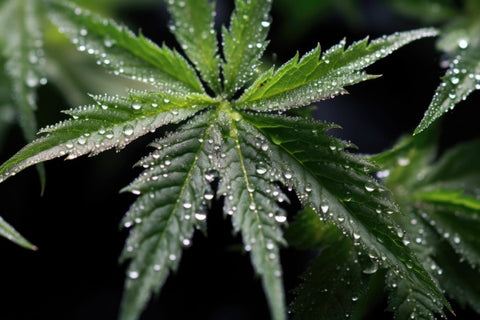
Defoliation pruning is a pruning technique used in marijuana cultivation that implies the selective elimination of plant leaves during its growth cycle. Unlike other forms of pruning that focus on the elimination of branches or shoots, defoliation pruning focuses on the removal of leaves, especially large and shaded leaves.
Beginning behind the technique and how it influences the growth of plants
Defoliation pruning is based on the premise that the strategic elimination of leaves can have several beneficial effects on the growth and development of marijuana plants. Next, the key principles behind this technique are explained:
- Improvement of light penetration: By eliminating large and shaded leaves, the light is allowed to reach the lower and most internal areas of the plant, where potentially productive shoots are often developed. This increases the efficiency of photosynthesis and promotes more uniform growth.
- Increased air circulation: Adequate defoliation also improves air circulation by reducing foliage density. This reduces the risk of humidity and mold problems, which can be a problem in densely leafy plants.
- Growth control: Defoliation pruning allows cultivators to control vertical growth and plant expansion. By eliminating large leaves and some of the growth tips, energy can be redirected towards specific areas of the plant, resulting in a more compact and branched growth.
- Improvement of buds production: By eliminating leaves that do not contribute significantly to photosynthesis, energy can be redirected towards the development of buds. This can lead to greater production of flowers and, in some cases, to an improvement in the quality of the buds.
Origins and philosophy behind this pruning practice
Defoliation pruning has its roots in the philosophy of maximizing the growth potential of marijuana plants. Although a single origin cannot be traced, it has gained popularity among modern cultivators due to the positive results that it has demonstrated in terms of performance and harvest quality. This technique has developed and refined over time as cultivators share experiences and knowledge.
In summary, defoliation pruning implies selective elimination of leaves to improve light, air circulation and plant growth control, which can result in a healthier crop and a more abundant harvest.
Benefits of defoliation pruning
The defoliation pruning technique in marijuana cultivation offers a series of significant benefits that can improve both the quality and the amount of the harvest. Next, the main benefits of this technique are described:
- Improvement in the distribution of light: The selective elimination of large and shaded leaves allows light to penetrate more deeply into the plant. This results in a more uniform distribution of light in all parts of the plant, including the lower areas and internal outbreaks. As a result, the efficiency of photosynthesis is maximized, which leads to a more vigorous growth and a greater production of buds.
- Increase in buds production: By eliminating leaves that do not contribute significantly to photosynthesis, the plant redirects its energy towards the development of buds. This leads to greater flower formation and a more abundant harvest. The lower outbreaks, which are often less productive due to lack of light, may experience a significant increase in their buds production.
- Improvement in the quality of the buds: Defoliation pruning not only increases the amount of buds, but can also improve its quality. By reducing foliage density and allowing a better air and ventilation circulation, the risk of humidity, fungi and mold problems in the buds is reduced. This contributes to a higher quality harvest with less risk of suffering some of the most common diseases in marijuana.
- Growth control: The defoliation technique allows cultivators to control vertical growth and plant expansion. By eliminating large leaves and some growth tips, energy can be redirected towards specific areas of the plant, resulting in a more compact and branched growth. This is especially beneficial in limited cultivation spaces.
- Risk reduction of fungi and mold problems: Defoliation pruning, promoting a better air circulation and reducing foliage density, significantly decreases the risk that the plant develops fungus and mold problems. Proper exposure to light and ventilation help maintain a healthier culture environment.
In summary, defoliation pruning offers benefits that include a better distribution of light, an increase in the production and quality of the buds, as well as a reduction in the risk of fungal and mold problems. These factors make this technique valuable for growers who seek to maximize their harvest and maintain healthy plants.
How to perform defoliation pruning
Defoliation pruning is a marijuana culture technique that requires a careful approach and a solid understanding of the plant's life cycle.
Identification of the right moment
- Vegetative phase: Defoliation pruning is best done during the plant's vegetative phase, before the flowering stage begins. During this phase, the plant is focused on foliar growth and will respond better to pruning.
- Selection of leaves to be eliminated: Inspect the plant and identify the large and mature leaves that are blocking the light to other areas of the plant. These are the leaves that you must eliminate. You can also eliminate yellowish or damaged leaves, since they do not contribute significantly to photosynthesis.
Step by step guide for defoliation pruning
Here a step by step is presented on how to execute this technique effectively:

Step 1: Identify the leaves to eliminate
The first step in the defoliation pruning technique is to identify the leaves that will be removed. This implies carefully selecting the leaves that are blocking the light to other parts of the plant or that are aging and are no longer productive. Here are some guidelines to identify the leaves to be eliminated:
- Recommended day: Around day 21 from germination.
- Amount of leaves to be eliminated: It begins with a maximum of 20-30% of the leaves.
- Large and mature leaves: Look for large and mature leaves that are blocking the light to younger branches or buds. These leaves can be at the top of the plant, preventing the light from reaching the lower parts.
- Yellowish or damaged leaves: Identify the leaves that are yellowish due to old age or that are damaged in some way. These leaves do not contribute significantly to photosynthesis and can be eliminated.
- Leaves that cross: If there are leaves that cross each other and create shadow in the plant, select one of them to eliminate it. This will allow a better distribution of light.
- Ventilation: Be sure not to eliminate all leaves, since some are necessary for perspiration and regulation of plant temperature. Keep some healthy leaves on the top to provide shadow and protection.
Once you have identified the leaves to be eliminated, proceed with care to make the clean and precise cuts as close as possible to the main stem. This process will help improve air circulation and the penetration of light in the plant, which in turn will promote healthier growth and better co -collide production.
Step 2: Prepare the tools
Before carrying out defoliation pruning, it is essential to have the right tools and prepare a clean and safe environment. Here are the necessary tools and preparations for this step:
- Pruning scissors sharp: Be sure to have sharp and clean pruning scissors. Disappointed scissors can damage the plant when making irregular cuts. Clean the scissors with isopropyl alcohol before using them to avoid the spread of diseases.
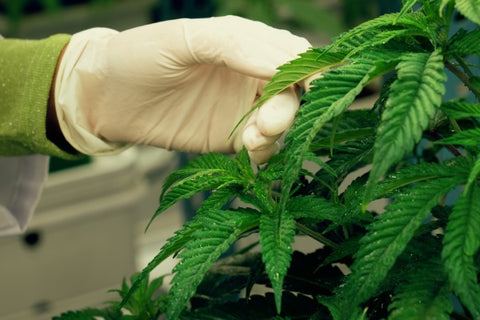
- Gardening gloves: Use gardening gloves to protect your hands from possible cuts and to maintain adequate hygiene when manipulating the plant.
- Isopropyl or disinfectant alcohol: Take isopropyl alcohol or a disinfectant to clean the scissors before and after each cut. This helps prevent contamination and spread of diseases between plants.
- Waste containers: Place nearby containers to deposit the leaves and branches you remove. This will facilitate cleaning and prevent the cut sheets from being scattered by the culture area.
- Adequate lighting: Be sure to have good lighting in the area where you will perform pruning. This will allow you to clearly see the leaves that you must eliminate and avoid cutting other parts of the plant by mistake.
- Cleaning and disinfection: Before starting, clean and disinfect the work area and tools to reduce the risk of infections or diseases in plants.
- Mental preparation: Defoliation pruning requires patience and precision. Mentally prepare to make careful decisions about which leaves to eliminate and follow the identification guidelines of step 1.
Once you have gathered all the tools and prepared the environment, you will be ready to proceed with the pruning of the leaves identified in the next step.
Step 3: Make the cuts
In this step, you will carry out defoliation pruning by selectively eliminating the sheets identified in step 1. Follow these steps to perform the cuts effectively:
- Identification of the leaves: With the leaves to be eliminated identified, approach the plant with care and examine the selected leaves again. Be sure not to confuse them with the healthy leaves that must be kept.
- Positioning: Gently hold the sheet that you are going to eliminate with one hand, avoiding touching the healthy parts of the plant. Use the other hand to hold pruning scissors.
- Clean cuts: Make a clean and precise cut as close as possible to the node (the point where the sheet joins the main stem). Avoid cutting the main stem or damaging the healthy parts of the plant.
- Delete large leaves: It gives priority to the elimination of the largest leaves and those that block light and ventilation inside the plant. These leaves are usually at the bottom of the plant and in the center.
- Respect the percentage: If it is the first time you do a pruning of defoliation, Do not eliminate more than 20-30% of the leaves in a single session. Look how the plant responds before continuing with more pruning.
- Disinfection: Disinfects scissors with isopropyl alcohol after each cut to avoid the spread of diseases.
- Continuous cleaning: As you remove the leaves, place them in the waste container to keep the work area ordered.
- Constant observation: While you make the cuts, observe the response of the plant. Note any sign of stress or problems and make sure you don't eliminate too many leaves at once.
Remember that defoliation pruning is a selective and precise pruning technique. Keep calm and concentration during the process to obtain the best results. Once you have finished eliminating the selected leaves, pass to step 4 to monitor the plant.
Step 4: Monitor the plant
After performing defoliation pruning, it is essential to maintain a nearby monitoring of the plant to evaluate your general response and health. Follow these steps in the monitoring process:
- Number of days to monitor: At least 7-10 days.
- Visual inspection: Observe the plant carefully to identify any stress or problems signal. Pay attention to the appearance of the remaining leaves and look for changes in color, size or shape.
- Moisture control and temperature: Verify that environmental conditions, such as moisture and temperature, are maintained within the ideal ranges for marijuana growth. Make sure there is no significant increase in humidity after pruning, since this could increase the risk of mold.
- Light regulation: Adjust the intensity and distance of the lights if necessary. Defoliation pruning can increase the penetration of light into the plant canopy, so it is important to ensure that all parties receive an adequate amount of light.
- Registration of changes: It bears a record of any change in plant growth, both positive and negative. This includes the observation of an increase in the production of buds and the early detection of problems.
- Food and irrigation: Adjusts food and irrigation according to the needs of the plant. Defoliation pruning can influence nutrient absorption, so it is important to maintain adequate balance.
- Continue with adjustments: If you observe that the plant responds well to pruning and shows healthy growth, consider the possibility of making additional adjustments in the future. This could include more defoliation pruning sessions or branch training.
- Constant monitoring: Monitoring should not be a unique process. Continue to observe the plant regularly throughout its life cycle to make sure it remains healthy and productive.
Constant monitoring is essential for the success of defoliation pruning. When paying attention to the plant and make the necessary adjustments, you can optimize the performance and quality of the harvest. Once you have evaluated the plant's response, advance to step 5 to control stress.
Step 5: Control plant stress
Defoliation pruning can cause stress in the plant, and it is important to take measures to minimize this effect and promote rapid recovery. Here we explain how to control the stress of the plant:
- Number of days to control stress: Continuously.
- Avoid overdefoliation: During defoliation pruning, be sure not to eliminate excess leaves. Keep a careful balance so as not to weaken the plant too much. Avoid removing more than 20-30% of the leaves in a single session.
- Use sharp scissors: Use sharp and clean pruning scissors to make the cuts. Clean and precise cuts minimize the trauma of the plant and accelerate recovery.
- Disinfection: Clean pruning tools before and after use to prevent the spread of diseases or pathogens.
- Nutrition and irrigation: Be sure to provide the plant and water to the plant necessary after pruning. The plant may experience an increase in nutrient demand for recovery.
- Control moisture: Maintain an adequate level of humidity in the cultivation environment. Avoid excessively wet conditions that can increase the risk of mold and fungi.
- Reduce light stress: If possible, reduce the intensity of light immediately after pruning to reduce light stress in the plant. Then, the intensity of the light increases as the plant recovers.
- Adequate ventilation: Make sure good air circulation in the culture space to prevent excess moisture from accumulating around the cut leaves.
- Continuous monitoring: Continues to monitor the plant in the days and weeks after defoliation pruning. Look at any additional stress signal, such as withered or yellowish leaves, and take measures as necessary.
Controlling plant stress is essential to guarantee a successful recovery after defoliation pruning. Following these steps and paying attention to the needs of the plant, you can minimize the negative impact of stress and allow marijuana to grow healthy and productively.
Step 6: Avoid over defoliation
Defoliation is a common error in the defoliation pruning technique that can seriously weaken the plant and reduce its ability to perform photosynthesis. Here we explain how to avoid overfoliation:
- Establish a limit: Before starting defoliation, it establishes a clear limit in terms of the percentage of leaves you plan to eliminate. In general, it is not recommended to eliminate more than 20-30% of the leaves in a single session. This allows the plant to retain enough photosynthetic capacity for your health and growth.
- Prioritize the largest leaves: Instead of eliminating random leaves, focus on the largest and most mature leaves that block the light of reaching the lower branches. In doing so, you will allow light to penetrate better into the plant's canopy without excessively eliminating the leaves.
- Look at the plant's response: After each defoliation session, observe how the plant responds in the following days. If you notice that the plant shows signs of severe stress, such as wilting or excessive yellowing, it is an indicator that you have eliminated too many leaves.
- Wait between sessions: Instead of defolling in a single mass session, he considers doing so in several smaller sessions throughout the plant's life cycle. This allows a gradual adaptation and reduces stress.
- Focus on the bottom: Pay special attention to the leaves and branches closest to the base of the plant, since they usually receive less light. Eliminating leaves in this area can significantly improve light penetration.
- Keep a record: It has a record of the defoliation sessions you make, including the date and number of eliminated leaves. This will help you track how much you have removed and make informed decisions for future sessions.
- No defolies during flowering: Avoid making defoliation sessions during the flowering stage, since the plant needs all its leaves to produce energy and develop buds. Defoliation at this stage can have negative performance effects.
By following these tips and avoiding the overfoliation, you can make sure that the defoliation pruning technique benefits your plant without causing significant damage. Remember that the objective is to balance the amount of leaves eliminated with the need to improve exposure to light and harvest quality.
Step 7: Review and Continuous Settings
Defoliation pruning requires constant monitoring and adjustments throughout the plant's life cycle. Here are the steps to carry out this phase:
- Look at the recovery: After the defoliation, observe how the plant is recovered in the following days. You must see a healthy growth of new leaves and outbreaks. If the plant shows prolonged stress signs, such as excessive yellowing or growth detention, it is important to take measures to correct it.
- Check exposure to light: Over time, verify whether defoliation has improved the penetration of light in the plant canopy. Note if the lower branches are receiving enough light to develop quality buds. If you notice that some areas are still shaded, consider making additional adjustments.
- Identify new leaves to eliminate: As the plant continues to grow, new leaves may arise that block the light in the future. Identify these sheets and plan additional defoliation sessions as necessary. Remember to maintain a balance and avoid overfilling. This can do after a week of the first pruning.
- Keep records: It has a record of the additional defoliation sessions that you carry out, including the date and amount of eliminated sheets. This will allow you to monitor the adjustments made and their impact on the plant.
- Adjust according to the life cycle: Keep in mind that defoliation needs may vary according to the plant's life cycle stage. During the vegetative growth stage, you may want to make more aggressive defoliations to create a desired branch structure. In the flowering stage, it minimizes defoliation sessions to protect developing buds.
- Keep the general health: Make sure the plant is receiving adequate nutrition, irrigation and optimal environmental conditions. A healthy plant will be more resistant to defoliation stress and will have a better performance.
- Be patient: Defoliation pruning is a gradual process that requires patience and careful adjustments. Do not expect to see instant results, since the benefits accumulate over time.
When performing continuous reviews and adjustments, you can optimize the defoliation pruning technique to obtain the best results in terms of quality and quantity of harvest, as well as improve the general health of the plant.
Necessary tools and preparations
Defoliation pruning requires the use of specific tools and precautions to carry out the technique effectively and safely. Here you have a necessary tools and preparations:
- Pruning scissors sharp: Use sharp and clean pruning scissors to make precise cuts in the leaves you want to eliminate. The scissors must be sharp to avoid tears in the leaves, which can cause additional stress to the plant.
- Gardening gloves: To protect your hands and avoid pathogen transmission, use clean and good quality gardening gloves. The gloves will also protect your hands from the sticky resin found in the leaves of the plant.
- Isopropyl alcohol: Before starting pruning, clean the blades of pruning scissors with isopropyl alcohol to disinfect them and reduce the risk of infections in the plant.
- Waste container: Prepare a container to place the leaves and branches that you remove from the plant. This will help you maintain the orderly work area and facilitate the elimination of waste later.
- Adequate light: Be sure to have good lighting in the area where you will perform the defoliation. A proper light will allow you to clearly see the leaves that you want to eliminate and avoid damaging healthy leaves by mistake.
- Magnifying glass or increase lenses: If necessary, use a magnifying glass or increase lenses to examine the leaves in greater detail. This is especially useful for identifying small leaves that must be eliminated.
Safety precautions
Defoliation pruning can be a safe technique if they are performed with care and attention, but still, it is important to take precautions to avoid unnecessary damage to the plant and guarantee the health of the cultivator. Here are some security precautions to follow:
- Handwashing: Before handling the plant, wash your hands with soap to avoid the transfer of pathogens and natural oils of the skin to the plant.
- Tools maintenance: Make sure the pruning scissors are clean and sharp before starting. Disappointed tools can cause damage to the plant.
- Leaf identification: Before cutting, be sure to clearly identify the leaves you want to eliminate and avoid damaging healthy leaves by mistake.
- Moderation: Avoid overfilling, as this can unnecessarily stress to the plant and reduce performance. Eliminate only the leaves that block the light or those that are at the bottom of the plant and will not receive enough light.
- Waste cleaning: After defoliation, collect and discard the properly eliminated leaves and branches to avoid hygiene and pest problems.
- Monitoring and care: Monitor the progress of the plant after defoliation and make sure it recovers properly. Adjust your technique as necessary.
- Plant protection: Avoid damaging the main branches and co -collides during the defoliation process. Pay attention to the most sensitive parts of the plant.
- Hand washing after: After completing pruning, wash your hands again to eliminate any residue from the plant and make sure you don't take it to other areas.
Following these tools and security precautions, you can effectively pruning defoliation and minimizing the risks for the plant and for you as a cultivator.
Common errors in defoliation pruning and how to avoid them
Defoliation pruning is an effective technique when performed with care and attention, but there are common mistakes that cultivators can commit. Here are described some of these errors and advice on how to avoid them:
- Overdefoliation: Eliminating too many leaves can cause excessive stress in the plant and reduce its ability to perform photosynthesis. To avoid this, it limits the defoliation to large and shaded leaves. Do not eliminate more than 20-30% of the leaves in a single session.
- Premature defoliation: Defoliation too early in the plant's life cycle can negatively affect its growth. To avoid this, wait until the plant has at least three weeks of vegetative growth before considering defoliation.
- Damage main branches: Cut or damage the main branches during defoliation can seriously affect growth and production. To avoid this, pay special attention to the main branches and the buds, avoiding cutting them by mistake. Work with care and precision.
- Do not follow a plan: Defoliation without a plan or strategy can lead to inconsistent results and imbalances in the plant. To avoid this, plan what leaves you will eliminate and why before starting.
- Lack of monitoring: Do not monitor the progress of the plant after defoliation can lead to unclea problems. To avoid this, observe the plant in the days after defoliation and adjust your approach as necessary. Make sure you recover properly.
- Neglect hygiene: Do not maintain good hygiene can lead to the spread of pathogens and pests during defoliation. To avoid it, clean your tools before starting and be sure to wash your hands before and after defoliation.
- Eliminate all small leaves: Eliminate all small leaves can reduce the plant's ability to perform photosynthesis. To avoid this, retain some small leaves, especially if they are exposed to light. These sheets can still contribute to energy production.
- Hurry: Performing the defoliation hurriedly and without care can result in unnecessary damage to the plant. To avoid this, take your time during defoliation. Work with patience and precision to avoid errors.
Post-Poda care
After conducting defoliation pruning, it is crucial to provide adequate care to the plant to ensure its recovery and healthy growth. Here you have a guide on post-posing care and the signs of successful pruning:
- Hydration: After defoliation, the plant can experience temporary stress. Make sure hydrate marijuana Properly, keep a constant water supply to help recovery. However, it avoids excessive irrigation, since the plant will have fewer leaves for perspiration.
- Feeding: It continues to feed the plant with the appropriate nutrients according to the growth stage in which it is located. Defoliation can increase the efficiency of nutrient absorption.
- Light: The plant will need to adapt to the new exposure of light after defoliation. Be sure to maintain an adequate light source and avoid drastic changes in the intensity or exposure time.
- Temperature and humidity: Keep a stable culture environment in terms of temperature and humidity. The plant can be more sensitive after defoliation, so avoid extreme fluctuations.
- Continuous observation: During the days after defoliation, observe the plant closely. Look for signs of stress such as excessive wilting or yellowing of leaves. If you notice problems, adjust your care practices accordingly.
- Growth monitoring: After recovery, pay attention to plant growth. You should notice a greater development of buds in the areas exposed to light. If the plant shows unbalanced growth, you can make additional defoliation settings.
- Keep cleaning: It continues to maintain a clean and free environment of pathogens and pests. The plant can be more vulnerable after defoliation, so hygiene is fundamental.
- Additional training: If necessary, consider the possibility of additional training, such as LST or Super Cropping, to shape the plant and make the most of the light.
- Patience: The complete recovery of the plant can take time. Be patient and do not hurry to make more defoliation or significant changes. Observe how gradual adjustments develop and make as necessary.
Signs of successful pruning
- Greater light penetration in the plant canopy.
- Development of larger and dense buds in the exposed areas.
- Reduction of the risk of fungi and mold problems due to a better air circulation.
- Maintenance of healthy and balanced growth in the plant.
- Improvement in the production of buds and harvest quality.
Remember that each plant can respond differently to defoliation, so it is important to adapt your care to the specific needs of your crop.
Comparison with other pruning techniques
Defoliation pruning is a pruning technique used in marijuana cultivation that has differences and similarities with other pruning techniques, such as Super Cropping, Lollipoping, Apical Poda, Schwazzing, LST (Low Stress Training) and Main-Ling. Here is a comparison that highlights these similarities and differences:
Comparison with Super cropping pruning
- Both techniques seek to improve the exposure of the parts of the plant in light.
- Both defoliation pruning and the super cropping allow controlling the amount of light that reaches the lower parts of the plant.
- Both techniques can reduce competition between branches and improve energy and nutrient distribution.
- Super cropping implies bending and pinching the branches more intensively, often causing lower damage to tissues, while defoliation pruning focuses on selective removal of leaves.
- In defoliation pruning, the branches are not cut or eliminated, while in super cropping, sometimes part of a branch can be removed.
- Super cropping is mainly used to strengthen branches and allow better exposure to light, while defoliation pruning focuses on improving the quality of light and reducing the shadow in the plant.
Comparison with Pruning lollipopping
- Both techniques aim to improve the exposure of the upper parts of the plant in light.
- Both defoliation pruning and lollipopping can reduce competition between branches and improve energy and nutrient distribution at the top of the plant.
- The main difference lies in the approach: defoliation pruning focuses on the elimination of shaded leaves, while lollipopping implies the elimination of lower branches and leaves to focus energy into the upper parts.
Comparison with Apical pruning
- Both techniques seek to improve the exposure of branches superior to light.
- Both defoliation pruning and apical pruning can reduce competition between branches and promote more uniform growth at the top of the plant.
- The main difference is that defoliation pruning focuses on the elimination of large leaves to improve exposure, while apical pruning implies the elimination of apical outbreak to encourage the growth of lateral branches.
Comparison with Pruning Schwazzing
- Both techniques aim to improve the exposure of the upper parts of the plant in light.
- Both defoliation pruning and Schwazzing can reduce competition between branches and improve energy and nutrient distribution at the top of the plant.
- The main difference lies in intensity: Schwazzing implies intensive two -phase defoliation, while defoliation pruning focuses on selective leaf elimination.
Comparison with Poda lst (Low Stress Training)
- Both techniques seek to improve the exposure of the parts of the plant in light.
- Both defoliation pruning and LST can reduce competition between branches and improve energy and nutrient distribution.
- The main difference is the approach: the LST implies the bending and fixing of branches, while the defoliation pruning focuses on the elimination of shaded leaves.
Comparison with Main-lining pruning
- Both techniques aim to improve the exposure of the main branches in light.
- Both defoliation pruning and main-lining can reduce competition between branches and promote more uniform growth at the top of the plant.
- The main difference is that Main-lining implies selective pruning and bending stems to create a specific growth structure, while defoliation pruning focuses on the elimination of shaded leaves.
Situations in which defoliation pruning is more recommended
- When seeking to improve light exposure in the plant canopy, especially in dense and leafy varieties.
- During the vegetation phase and the first weeks of flowering to maintain a clean and well illuminated canopy.
- In combination with other pruning techniques, such as LST or Main-lining, to achieve a balance between vertical and horizontal growth.
- When you need to reduce the risk of fungal and mold problems by improving air circulation.
- In crops with vertical space limitations, where a compact and efficient canopy is essential in the use of light.
In summary, defoliation pruning focuses on the selective elimination of leaves to improve light and air circulation in the plant canopy. Although it shares some objectives with other pruning techniques, its approach and time of application may vary, and it is especially effective when it seeks to optimize growth in limited spaces.