He Emerson effect It is a phenomenon related to photosynthesis that shows how certain light wavelengths work together to increase the photosynthetic efficiency of plants. Discovered by Robert Emerson in the 1950sThis effect revolutionized our understanding of how plants use light to produce energy. Its relevance is not only scientific, but also practice, especially in crops that seek to maximize productivity, such as interior or cannabis.
In today's article, from Grow Industry we are going to talk about what the Emerson effect is and how this can help the growth of your plants.
Introduction to the Emerson effect: What is and how did it arise?
Definition of the Emerson effect
The Emerson effect refers to the increase in photosynthetic efficiency when plants are exposed to two specific wavelengths simultaneously. These lengths correspond to distant red (more than 680 nm) and to red (around 680 Nm). When both lengths are combined, a mechanism is activated in the photosynthetic systems of plants that generates more energy than when used separately.
This discovery showed that photosynthesis processes not only depend on the intensity of light, but also on its spectrum. This has been key to optimizing lighting in cultivation systems and increasing plant performance.
Historical context and discovery
The effect bears the name of Robert Emerson, an American biologist who, in his experiments with chloroplasts, identified how the wavelengths of red and distant red increased the production of oxygen in plants. This finding challenged the belief that photosynthesis was saturated with red light, showing that the distant red plays a complementary crucial role.
Emerson's studies not only helped better understand photosynthesis processes, but laid the basis for modern lighting technologies for crops, especially in controlled environments.
The different light spectra for marijuana cultivation
Marijuana cultivation depends largely on providing plants with an adequate light spectrum during each stage of their growth. Each light range within the electromagnetic spectrum has a different impact on the development of plants, from germination to flowering. Here we explore the main spectra of light and their importance to maximize the performance and quality of your crop.
Infrared (800 nm - 1 mm)
Infrared, although invisible to the human eye, have a significant impact on the Heat and metabolism of plants. This spectrum does not contribute directly to photosynthesis, but influences the perspiration And in temperature regulation, which affects general growth. In addition, infrared can improve stems elongation, causing plants to grow higher and with more space between nodes.
In interior crops, an excess of infrared can generate unwanted heat, which forces cultivators to use efficient ventilation systems. However, in controlled quantities, this spectrum helps plants adapt better to the environment and to improve its structure.
The distress of distant red light (700 - 800 nm)
Far red is essential during the Flowering stage, since it stimulates key processes such as cell expansion and flower production. This spectrum is also related to the Emerson effect, which improves photosynthetic efficiency when combined with nearby red light. Plants exposed to the distant red tend to produce dense and better resin quality.
In addition, the distant red regulates the Circadian cycle of plants by influencing the response to phytochrome, helping plants distinguish between day and night. This is especially useful in controlled crops where it seeks to optimize the times of light and darkness.
The near red (600 - 700 nm)
The nearby red spectrum is crucial both in the vegetative stage and in the flowering. This light range Stimulate photosynthesis, promoting the growth of leaves and biomass production. In the flowering stage, it enhances the formation of large and heavy flowers, which makes it an essential spectrum to maximize productivity.
The nearby red light also has a positive effect on the synthesis of antioxidants and terpenes, improving the aromatic profile of the buds. It is one of the most used wavelengths in modern LED systems due to its direct impact on the growth and quality of plants.
The green/yellow light (500 - 600 nm)
Although it was thought that the green and yellow light had little relevance in the growth of plants, recent investigations have shown that Contributes to photosynthesis In deep layers of the leaves, where other spectra do not come easily. This light range improves light penetration into canopy, which benefits the lower leaves and encourages balanced growth.
The green/yellow light also plays an important role in the Visual aspect of plants, helping cultivators detect problems such as nutrient deficiencies or pests. In multispectral lighting systems, this range is included to complement the benefits of blue and red.
The blue light (400-500 nm)
The blue spectrum is fundamental during the Vegetative stage, since it regulates the compact growth of plants and encourages the production of strong and healthy leaves. This light range is mainly absorbed by chloroplasts, which makes it key to photosynthesis in the early stages of development.
In addition, blue light stimulates the production of Antioxidants and secondary compounds, which improves the resistance of plants to diseases and environmental stress. In interior crops, it is used to prevent plants from stretching too much, promoting a more robust and efficient structure.
Ultraviolet light (400 - 10 nm)
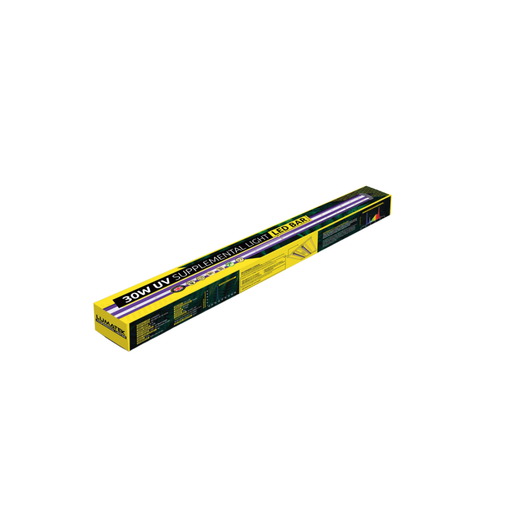
The ultraviolet spectrum, although it is not essential for photosynthesis, has a significant impact on the Resin and Terpenos Production In marijuana. UV-B controlled exposure, in particular, stimulates plants to produce more protective compounds such as cannabinoids, resulting in more powerful buds and with a richer aromatic profile.
However, ultraviolet light should be used with caution, since excessive exposure can damage plants and slow down their growth. In adequate quantities, this spectrum improves the general quality of the product, especially in crops for resin extraction.
Each spectrum of light has a specific impact on the development of marijuana, from vegetation to flowering. Understand how to take advantage of these ranges and adjust the lighting according to the needs of the plants is key to achieving Abundant and high quality crops. In modern culture, multispectral LED systems are the perfect tool to optimize each growth stage.
How does the Emerson effect work?
Relationship with photosynthesis
Photosynthesis, the process by which plants convert light into chemical energy, is carried out in two main systems: the Photosystem I (PSI) and the Photosystem II (PSII). Each of these systems responds to different wavelengths of light. The Emerson effect occurs when the PSI absorbs light of distant red and the PSII absorbs red light, which creates a synergistic effect which increases the efficiency of the photosynthetic process.
This discovery showed that the two photosystems do not work in isolation, but that they cooperate to maximize light collection and energy production.
Interaction between wavelengths of light
The interaction between red and distant red is the basis of the Emerson effect. When both spectra of light are present, a greater transfer of electrons between the photosystems is achieved, which Increase oxygen production And, therefore, the amount of energy available for the plant. Without this combination, photosystems do not reach its maximum performance.
This phenomenon has been fundamental to understand why plants need A balanced light spectrum and how to take advantage of this information to improve crop lighting.
Importance and benefits of the Emerson effect on plant cultivation
Light optimization for crops
The Emerson effect has transformed the way in which crop lighting systems are designed, especially in controlled environments such as greenhouses and interior crops. The multispectral LED lights, for example, incorporate both red and red red to replicate the solar spectrum and make the most of the Emerson effect. This allows a Better plant growth, even in conditions where natural light is limited.
The use of specific light spectra not only improves photosynthesis, but also reduces energy consumption, making crops more sustainable and efficient.
Improvement in photosynthetic efficiency
Thanks to the Emerson effect, plants can use more energy of the available light, which translates into faster growth and a Greater biomass production. In commercial crops, this translates into better yields no need to increase the culture or production time.
In addition, this phenomenon allows cultivators to adjust lighting conditions to influence other factors, such as flower development or cannabinoid profile in the case of cannabis.
Emerson effect benefits on cannabis crops
Increase in biomass production
In cannabis cultivation, the Emerson effect translates directly into a greater weight and quality of flowers. When optimizing photosynthesis, plants grow more vigorously and produce dense and resinous buttons. This is especially important in commercial crops, where quality and quantity are key factors.
Use of multispectral LED lights
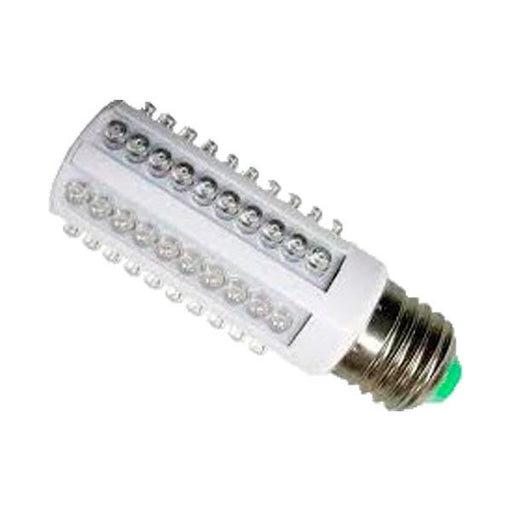
Modern lighting technologies, such as multispectral LEDs, are designed to take advantage of the Emerson effect by including red and red red light spectra. These lights allow cultivators to control the intensity and quality of light, adjusting it according to the growth stage of the plant, whether vegetative or flowering.
Improvement of the cannabinoid and terpenes profile
The Emerson effect not only improves the general growth of plants, but also influences the quality of the final product. When optimizing photosynthesis by combining distant red and red light, plants can produce Greater concentrations of cannabinoids such as THC and CBD, as well as more complex land profiles. This results in more powerful buttocks with intense aromas, ideal for both medicinal and recreational use.
Crop time reduction
Taking advantage of the Emerson effect can also Accelerate the plant growth cycle, since the greatest photosynthetic efficiency allows plants to accumulate energy more quickly. This means that you can get crops in less time without compromising quality, a crucial advantage in commercial crops or projects where time is an important factor.
The Emerson effect is a crucial phenomenon to understand how plants maximize their photosynthetic efficiency by taking advantage of specific wavelengths. Its application in modern agriculture, especially in crops such as cannabis, has allowed to improve productivity, sustainability and crop quality.
Do you want to maximize the performance of your crops? In Grow IndustryWe have a wide selection of LED lighting systems designed to take advantage of the Emerson effect and guarantee optimal growth.
Visit us in our Physical stores in Reus and Vilafranca del Penedès o Check our website to equip yourself with the most advanced tools for your crops. Take your production to the next level with Grow Industry!