

Marijuana cultivation, either for personal, medicinal or research use, is an art that requires not only knowledge and skill, but also a precise synchronization. The decision when planting marijuana is crucial for the success of the harvest. This choice directly impacts the development of the plant, its health, and the quality and quantity of its flowers.
Marijuana, like any other plant, needs specific conditions to flourish. These conditions vary significantly between interior and exterior crops. Choosing the right time to plant not only ensures optimal growth but also protects plants from climatic adversities and problems with problems pests or diseases in marijuana.
Key factors to determine when planting
The success of the marijuana culture depends largely on understanding and taking advantage of environmental and climatic factors. These factors determine not only when to plant marijuana, but also how to do so to maximize the potential of the harvest. Next, we detail the most relevant aspects:
- Temperature: Marijuana thrives in a specific temperature range. For exterior crops, the ideal moment to plant is usually spring, when frosts have already passed and daytime temperatures are tempered. Interior marijuana plants can be more flexible as to the time of year, as long as adequate climatic control is maintained.
- Sunshine: Light is a crucial factor for marijuana growth. Outdoors, plants require a sufficient amount of direct sunlight, ideally between 12 and 15 hours a day. This requirement dictates that the best time to plant is when the days begin to lengthen, usually after the spring equinox. Interior, artificial light must be adjusted to imitate these natural cycles.
- Humidity and rainfall: Excessive humidity can be harmful, especially in the early phases of growth. In regions with marked rainy stations, it is important to avoid these times to reduce the risk of fungal diseases. In interior crops, moisture can be controlled to create the ideal environment.
- Soil quality: Soil preparation is fundamental before planting. Outdoors, the time of the year that allows the soil to be in the best possible conditions should be considered. Indoors, an adequate substrate is selected that can be maintained consistent throughout the year.
- Cultivation cycle duration: Depending on the variety of marijuana, cultivation cycles can vary. Some varieties require more time to flourish, which is an important factor when deciding when planting, especially outdoors where it depends on seasonal cycles.
- Regional considerations: Each region has its own climatic particularities. What works in one area may not be adequate in another. It is essential to investigate and understand local conditions before deciding when to plant exterior marijuana.
When Plant marijuana abroad
Planting marijuana abroad is an art that synchronizes with the rhythms of nature. The success of the harvest depends on understanding and respecting the signals that the weather and stations offer. Below is a detailed analysis of when to plant marijuana outdoors, considering climatic and temporal factors.
- Consideration of the season: Spring is generally the best time to start an external crop. This period is characterized by an increase in the duration of daytime light and warmer temperatures, which stimulates the vegetative growth of marijuana. It is essential to wait for the last frost of the season to avoid damage to young plants.
- Duration of the day: Marijuana is a photojournalic plant, which means that its flowering cycle is regulated by the duration of the days. Plantar after spring equinox ensures a progressive increase in the amount of light, favoring vegetative growth before the flowering phase that is induced when the days begin to shorten after the summer solstice.
- Ideal Temperature: Temperatures must be warm enough to promote good growth, but not so high as to stress plants. A temperature range between 20 ° C and 30 ° C during the day is ideal. The nights must be cooler, but not cold.
- Risk of frost: Crucial consideration is the risk of late frosts. Even a slight frost can be fatal for young plants. Therefore, it is important to know the average dates of the last frost in the region and plan accordingly.
- Humidity and precipitation: While plants need water to grow, too much humidity can be harmful. Intense rain seasons can increase the risk of fungal diseases. Therefore, it is important to consider the ray pattern of the region by deciding when to plant.
- Adaptation to the region: Each region has its climatic and seasonal peculiarities. Cultivators must adapt their planting practices to these local conditions. For example, in warmer regions, it can be planted before in spring, while in colder areas, it may be necessary to wait until the end of spring or early summer.
- Types of plants: Some varieties of marijuana are more resistant to certain climatic conditions than others. Choosing an adequate variety for the local climate can be a decisive factor in the success of the crop.
The ideal time to plant marijuana
Determining when it is the time of plantar marijuana is crucial to ensure a healthy and productive crop. This decision is based on a deep understanding of the ideal climatic conditions and the growth cycles of the plant. Next, we explore these key aspects:
Ideal climatic conditions
- Temperature: Marijuana develops better in a warm climate, with daytime temperatures ranging between 20 ° C and 30 ° C. Night temperatures must be lower, but not extremely cold.
- Sunshine: For outer cultivation, the amount of direct sunlight is vital. The plant needs about 12-15 hours of light a day for optimal growth.
- Humidity: A moisture level of 40-60% is ideal for marijuana cultivation. Sowing should be avoided during intense rainfall seasons to reduce the risk of fungal diseases.
Marijuana growth cycles
- Vegetative phase: During this phase, the plant needs many hours of light (ideally more than 13 hours a day). This phase is better in the spring and summer months, when the days are longer.
- Flowering phase: At this stage, the plant requires longer periods of darkness (12 hours of light and 12 hours of darkness). This naturally occurs towards the end of summer and during autumn.
Time of the year for planting
- Abroad: In the northern hemisphere, planting usually begins after spring equinox, when daylight hours begin to increase. This usually occurs at the end of March or early April. In the southern hemisphere, this period would be around September.
- Inside: Under controlled lighting and temperature conditions, marijuana can be planted inside at any time of the year. However, it is important to simulate the ideal external conditions for each growth phase.
Adaptation to local conditions
- Regional variations: Depending on the geographical region, the ideal conditions for planting may vary. Cultivators must be attentive to the peculiarities of their local climate.
- Selection of varieties: Some varieties of marijuana are more suitable for certain climatic conditions than others. The selection of a variety that adapts well to the local climate can significantly influence the success of the crop.
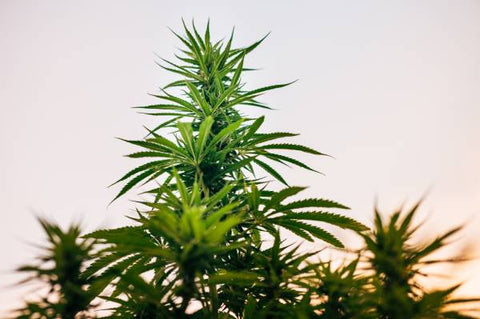
CANNABIS INTERIOR CULTURE: When to start
Interior marijuana cultivation offers the advantage of total environmental control, which means that growers can initiate their cultivation at any time of the year. However, to maximize the efficiency and quality of the harvest, it is important to consider several factors, especially with regard to environmental control and light cycles. Next, some key tips on when planting inner marijuana are presented:
Environmental control
- Temperature and humidity: Maintaining a controlled environment is essential for inner cultivation. The ideal temperature during the day must be between 20 ° C and 30 ° C, and slightly lower at night. Relative humidity should be approximately 40-60%.
- Ventilation: Adequate ventilation is crucial to prevent problems such as mold and mites. Make sure your culture space has a good air flow.
Light cycles
- Vegetative phase: During this phase, plants require between 16 and 20 hours of light per day. This phase lasts approximately 4-8 weeks, depending on the desired variety and size of the plant.
- Flowering phase: To start flowering, plants need a 12 -hour light cycle of light and 12 hours of darkness. This phase lasts between 8 and 12 weeks, depending on the variety.
Crop planning
- Continuous cycle: In an inner environment, you can plan a continuous culture cycle, starting new plants in the vegetative phase while others are in the flowering phase.
- Time of the year: Although you can start at any time, some growers prefer to initiate their cultivation in specific times of the year to take advantage of natural conditions, such as greater moisture in winter or warmer temperatures in summer, which can help reduce heating and humidification costs.
Energy and cost considerations
- Artificial lighting: Artificial light can be a great expense in inner crop. Some growers prefer to start their crops at times of the year when energy costs are lower.
- Energy efficiency: The use of LED lights can significantly reduce energy consumption and operating costs.
Flexibility and customization
- Adaptability: The interior crop allows great adaptability and personalization of the growth cycle. You can experiment with different times and conditions to find what works best for your plants.
- Specific varieties: Some varieties of marijuana may be more appropriate for inner crop due to its size or light requirements.
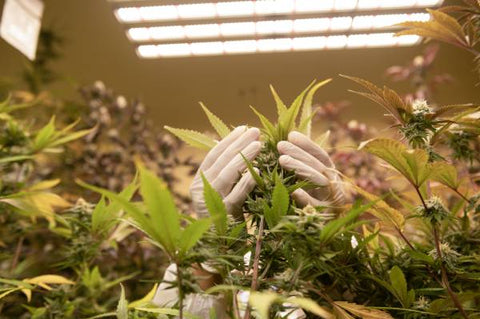
Practical tips: When and how to plant marijuana
The marijuana plantar process goes beyond simply choosing the right time; It involves a series of careful steps that begin with germination and end the plantation. Below is a practical guide that covers these crucial aspects:
GERMINATION PREPARATION
- Selection of seeds: Start with quality seeds, preferably of a reliable supplier. The choice of variety will depend on your preferences and cultivation conditions.
- Germination method: There are several methods to germinate seeds, such as the paper method wet towel or plant them directly in the substrate. Keep the seeds in a warm and dark place until they germinate.
Germination
- Germination time: The seeds usually take between 24 hours and a week to germinate. It is crucial to maintain a humid and warm atmosphere during this period.
- Small pots transplant: Once the seeds have germinated and the cotyledons appear, carefully transfer them to small pots with quality substrate.
Seedling phase
- Seedlings: It provides seedlings enough light, but avoids direct sunlight or excessive intensity of artificial light. Keep the wet substrate, but not saturated.
- Transplant to larger pots: When the seedlings have developed several true leaves, you can transfer them to larger pots to allow greater growth of the roots.
Choice of the moment to plant
- Abroad: Outdoors, wait until the danger of frosts and night temperatures have passed are constantly exceeding 10 ° C.
- InterioA: Interiors, you can plant at any time, as long as you can provide adequate conditions.
Plantation
- Soil preparation: Make sure the ground is well drained and enriched with essential nutrients. The pH of the soil must be between 6.0 and 7.0.
- Spacing and depth: Plant seeds or seedlings at a depth of approximately 1-2 cm. Outdoors, leave enough space between plants to allow growth.
Initial care
- Irrigation: Water the plants regularly, but avoid excess water. The ground must be wet, but not soaked.
- Protection: Protects young seedlings from the inclement weather and pests.