
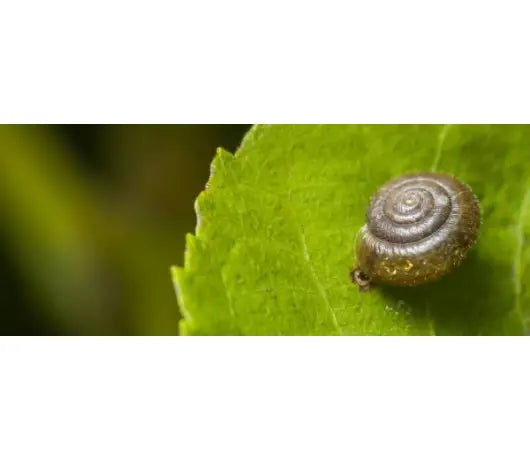
In the world of cannabis cultivation, facing unwanted invaders is a constant battle. The pests and diseases in marijuana They are very frequent and one of the most common and frustrating problems for growers are snails and slugs. These little but voracious mollusks can be a great headache, especially when it comes to protecting the health and vitality of marijuana plants.
Snails and slugs, attracted by moisture and organic matter, find a perfect feast in cannabis plants. Not only do leaves and stems chew, but also leave behind a trace of drool, compromising the aesthetics and health of plants. It is crucial to understand how to eliminate snails from plants and how to eliminate slugs effectively to ensure that our precious cannabis plants not only survive but also prosper.
Addressing this problem is not just a matter of aesthetics; It is vital for the quality and production of plants. An infestation of snails can significantly reduce the growth and production of plants, affecting the final yield. Therefore, it is essential to adopt effective strategies to eliminate snails from marijuana plants.
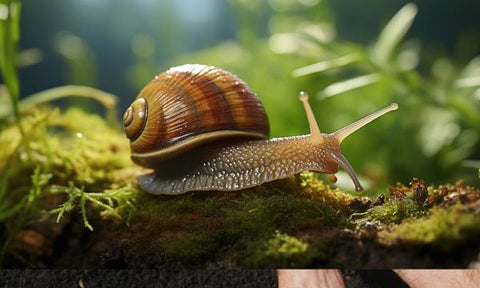
How to identify snails in marijuana cultivation
Identifying the presence of snails in marijuana plants is the first crucial step to protect your crop. These mollusks are characterized by leaving visible traces that give them away. Look for signs such as chewed leaves, especially at the edges, and damaged stems. Another clear indicator is the pressure of silver and bright drool in the leaves and the ground, which are traces left by the snails and slugs when moving. These traces are particularly visible in the morning or after a rain.
The snails are attracted to marijuana plants for several reasons. First, young and tender plants of cannabis are especially appetizing for them due to their soft texture and high water content. In addition, the humid and shaded atmosphere that is often found in cannabis gardens is ideal for snails, who prefer these conditions to live and reproduce.
The damage caused by snails in marijuana plants can be quite significant. Beyond the obvious physical injuries in the leaves and stems, their food activity can stress the plants, delay their growth and reduce their ability to bloom properly. In severe cases, a snail infestation can even lead to the death of the plant. Therefore, identifying and acting quickly to the presence of snails is essential to ensure the health and success of your marijuana culture.
How to prevent snails in cannabis cultivation
Preventing the appearance of snails in your cannabis cultivation is much more effective than treating an existing infestation. Here I present some strategies and advice on cultivation and environmental care that can help discourage the presence of these mollusks:
- Regular garden maintenance: Keep your area of clean and orderly cultivation. Eliminates dead leaves, debris and any material that can serve as a refuge for snails. A well -maintained cultivation zone is less attractive to them.
- Moisture control: The snails love wet environments. Regulates the humidity of your garden avoiding excess irrigation and making sure that the ground has a good drain. This is not only good to prevent snails but also for the general health of marijuana plants.
- Physical barriers: Create barriers around your plants that are difficult to cross for snails. Materials such as ash, diatoms, lime or even copper can be effective. For example, a copper band around the pots or the cultivation area can be an effective barrier, since snails avoid crossing this metal.
- Elevated culture: Consider the use of high culture tables or hanging pots. When raising the plants of the soil, you make them less accessible to the snails.
- Cultivation and Biodiversity Companions: Some plants, such as garlic or certain aromatic herbs, can act as natural snail repellent in plants. Integrating these plants in your garden can help keep the snails at bay. In addition, promoting biodiversity in your garden can attract natural predators of the snails, such as birds or beneficial insects.
- Lightning: The snails are mainly nocturnal. Consider using soft lighting at night to deter its activity.
- Regular control: Perform regular inspections, preferably in the morning early or after rain, to detect early snail signs. The sooner you identify a potential problem, the easier it will be to handle it.
Antilimacos products
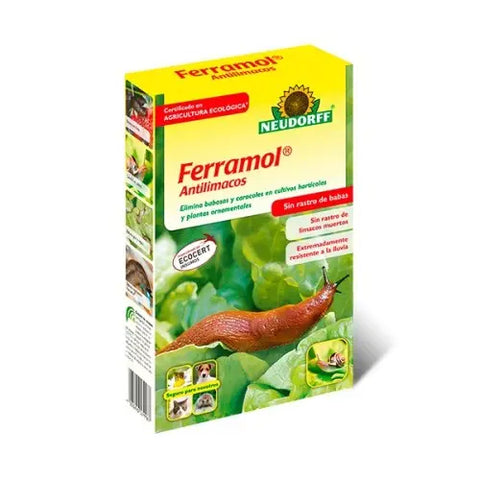
Among the commercial products available to combat snails in marijuana cultivation, an outstanding one found in Growindustry is:
- Ferramol antilimacos bait: This product is specifically designed to combat snails and slugs. Ferramol Antilimacos acts as an attractive bait that, once consumed by the snails, prevents them from feeding more, taking them to retire to the subsoil where they die without leaving visible traces of mucus.
- Proneem Neem seed cake: For greater plants protection, you can use Neem Torta. A totally biological insecticide and that can be used as a preventive method until the end of the harvest.
Recommendations for safe use in marijuana plants
- Careful application: Be sure to apply the product strictly following the manufacturer's instructions. This guarantees its effectiveness and minimizes any potential risk for plants.
- Avoid direct contact with plants: When applying any commercial product, it is crucial to avoid direct contact with marijuana plants to prevent any possible toxicity or residue in flowers.
- Environmental considerations: Although Ferramol® Antilimacos is a more friendly product with the environment compared to other chemical pesticides, it is still important to consider the environmental impact and use it responsible.
- Monitoring and evaluation: After applying the product, monitor your plants and the surrounding area to evaluate the effectiveness of the treatment and detect possible side effects.
Organic and ecological solutions for the elimination of snails in plants
How to eliminate slugs in an organic and ecological way is essential to maintain the integrity and purity of cannabis. These methods are safe for both plants and the environment. Here are a detailed list of these solutions:
Physical barriers
- Wooden ash: Wooden ash is an excellent repellent due to its dry and alkaline nature. Asplate it around the bases of cannabis plants, creating a barrier that snails will not want to cross. It is important to replenish ash after each rain, since it is easily washed.
- Diatomea land: This fine dust, made of algae fossils, acts as an abrasive and desiccant agent for snails. By spreading it around your plants, you will create a barrier that physically damages and dehydrates the snails when trying to cross it. Be sure to use diatoms of diatoms of food degree and reapply after rain.
- Copper: Copper bands generate a mild electric reaction to contact with snails, which determining them. Place these bands around pots or crop beds. Make sure the bands are wide enough and review periodically to keep them free of dirt that can reduce their effectiveness.
Natural traps
- Beer traps: Use shallow containers, such as cans or yogurt cups, and enter the ground level. Fill them with beer, which will attract snails due to fermentation. The snails will fall into the trap and drown. Empty and fill the traps regularly.
- Tables or tiles: Place these flat structures near your plants. During the day, the snails will seek refuge under them. You can collect and move to snails away from your garden regularly.
Organic repellent
- Garlic extract: Prepare a solution with crushed garlic and water. Spray your plants with this mixture, which acts as a natural repellent due to the smell and flavor of garlic. It is important to re -apply after rain or irrigation.
- Ortigas puree: Ortigas, once crushed and mixed with water, can be sprayed on plants. This method not only repels snails, but can also act as a natural fertilizer for your plants.
Partner culture
Repellent plants: Cultivating garlic, sage, rosemary, or thyme near your cannabis plants can be effective to repel snails. These herbs emit odors that are unpleasant for snails and, therefore, deter them from approaching your plants.
Biological control
Nematodes: These small parasitic worms are effective against snail larvae. Applied on the ground, they seek and destroy these pests from the inside. They are safe for plants and do not damage the garden ecosystem.
Using these organic and ecological solutions is essential to maintain a healthy culture environment. Not only do you protect your cannabis plants from the damage caused by the snails, but also preserve the biodiversity and sustainability of your garden, ensuring that the final product is of the highest quality and purity. These methods, being respectful of the environment and non -toxic, are ideal for any cultivator that seeks to maintain an organic and ecological approach in its garden.
Tips and best practices
For integrated pest management in your cannabis garden, consider these tips and practices:
- Continuous monitoring: Make regular inspections of your plants to detect any pest or disease signal early. Early detection is key to effective management.
- Plants diversification: Cultivating a variety of plants can help prevent the proliferation of specific pests. Plant diversity attracts a wider range of beneficial insects and birds that act as natural pest controllers.
- Biological control: It uses natural predators and beneficial organisms such as ladybugs, parasitic wasps and nematodes to control pest populations naturally.
- Healthy cultivation practices: Make sure your cannabis plants have the optimal conditions of light, water and nutrients. Healthy plants are less susceptible to pests and diseases.
- Responsible use of pesticides: When necessary to use chemicals, choose less harmful options and apply them responsible to minimize their environmental impact.
- Crop rotation and crop association: Crop rotation and association with other species can help reduce pest problems and improve general soil health.
- WASTE AND COMPOSTABLE MANAGEMENT: Proper management of organic waste and effective composting can reduce pest attraction and enrich the soil.
- Continuing Education: Stay informed about sustainable cannabis cultivation practices and integrated pest management to be up to date with the best strategies and techniques.