
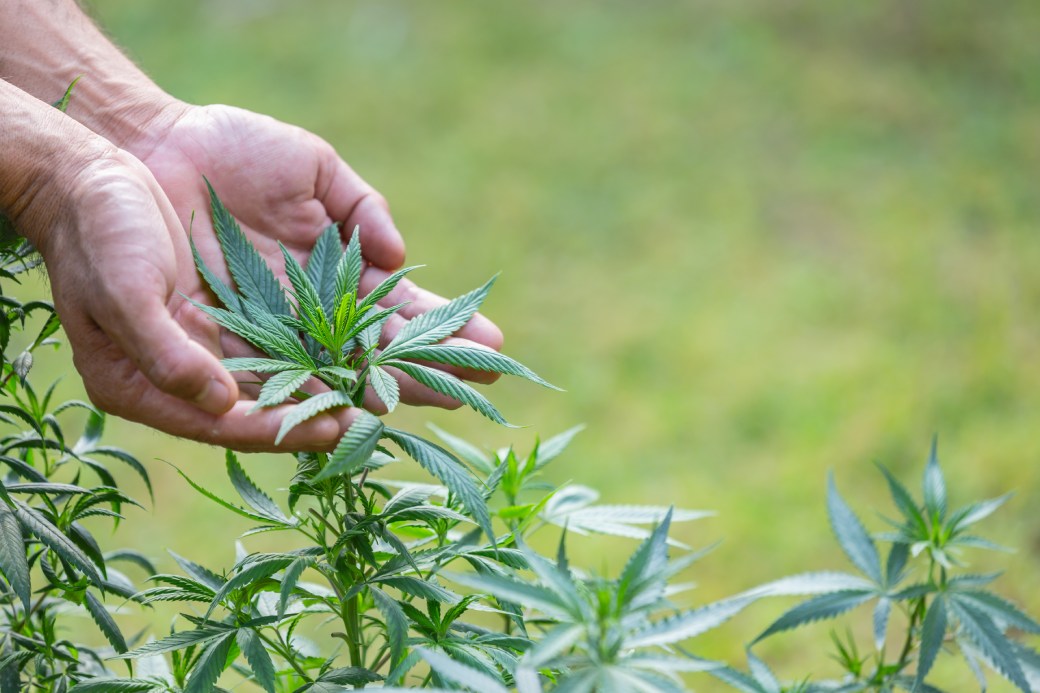
Cannabis cultivation, an ancient practice, has evolved significantly over the years, adapting to various techniques and environments to optimize its growth and power. Traditionally associated with intensive irrigation methods to maximize production, the approach has begun to change towards more sustainable and efficient practices in water use. This is where the concept of dryland cultivation comes into play.
Drying cultivation refers to an agricultural method that depends exclusively on rain for the irrigation of plants. This technique, which dispenses with artificial irrigation, represents a more ecological and sustainable approach, crucial in areas where water is a scarce resource. In the context of cannabis, dry land culture not only raises an interesting challenge in terms of crop management, but also offers an opportunity to explore how water limitations can influence the quality and characteristics of the plant.
Spain, with its various climatic and geographical zones, presents a unique scenario for the cultivation of cannabis drying. From the arid lands of the central plateau to the wettest of the north, the country offers different possibilities for this type of crop.
Drying cultivation involves cultivating without artificial irrigation, depending on rain and natural humidity. To use it in cannabis, choose drought -resistant varieties and manage the soil to maximize yields and harvest quality.
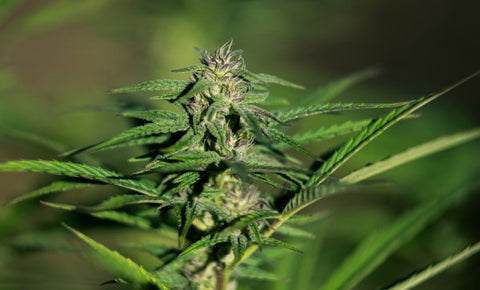
What is drying cultivation?
Drying cultivation is an agricultural technique that is based exclusively on natural precipitation to provide water to plants. Unlike traditional irrigation, where water is supplied through artificial media such as sprinkle or drip systems, dryland cultivation trusts moisture stored in the soil and rainfall. This practice is common in regions where water availability is limited and is considered a sustainable and environmental culture method.
Compared to culture methods that use irrigation, drying culture has significant differences. While irrigation allows greater control over the quantity and time of water supply, making it ideal for arid areas or for crops with high water demands, dryland crop depends totally on climatic conditions. This can mean a lower frequency of irrigation and a greater challenge in soil management and plants to preserve the available humidity.
In the context of cannabis, drying cultivation offers several advantages and challenges. Among the advantages, is the promotion of a deeper root system in plants, since they look for water in the lowest layers of the ground, which can potentially lead to a more robust and resistant development. In addition, this method can contribute to a more complex profile of cannabinoids and terpenes, since water stress can influence the production of these substances.
However, the challenges are significant. The main one is the dependence of the weather; In years of drought, performance can be seriously affected. In addition, dryland cultivation requires careful soil management to maximize water retention and avoid erosion. It is essential to choose adequate cannabis varieties for this type of crop and adapt agricultural practices to local conditions.
Drying cultivation involves cultivating without artificial irrigation, depending on rain and natural humidity. To use it in cannabis, choose drought -resistant varieties and manage the soil to maximize yields and harvest quality.
Environmental characteristics for dry land cultivation
The success of the dry land crop depends largely on specific environmental conditions, especially climate and soil. These factors are crucial to determine if a region is suitable for this practice, especially when it comes to a cultivation as particular as cannabis.
Necessary climatic conditions
- Rainfall: The quantity and distribution of rains are fundamental. Enough precipitation is needed during the growth season to sustain plants. The rains must be frequent and abundant enough to maintain soil moisture but not so excessive that cause floods or erosion.
- Temperature: A climate that provides moderate to warm temperatures is ideal. Cannabis needs a warm atmosphere for optimal growth, especially during flowering and maturation.
- Humidity and evaporation: A balance between humidity and evaporation rate is crucial. Too much evaporation can dry the soil quickly, while little humidity can affect the development of plants.
Necessary soil conditions
- Water retention: Soils with good water retention capacity are essential for drying cultivation. This allows moisture to remain available for plants during periods without rain.
- Drainage: A good drain is equally important to avoid soil saturation and root diseases.
- Fertility: Nutrient -rich floors will help sustain cannabis growth throughout their life cycle.
Impact on cannabis cultivation
- Drying cultivation can influence the morphology and physiology of cannabis. Plants can develop deeper and more robust root systems to access deeper water reserves.
- Water limitation can stress plants, which sometimes results in a greater concentration of cannabinoids and terpenes, although it can also reduce general performance.
Cannabis seeds for dry land cultivation
The success of cannabis cultivation in dry conditions depends largely on the selection of adequate varieties that are able to tolerate and prosper in conditions of drought and water stress. Here the desirable characteristics are described in cannabis varieties for drying cultivation, along with some useful tips to choose the appropriate genetics:
- Drought resistance: A fundamental characteristic in cannabis varieties for dry dryness is its ability to resist prolonged drought periods. Drought -resistant plants can maintain healthy growth and satisfactory flowers even in water shortage conditions.
- Stress tolerance: Cannabis varieties selected for dry land cultivation must be able to tolerate and adapt to adverse conditions, such as high temperatures, low levels of humidity and low fertile soils. The plant's ability to maintain a good performance under stressful conditions is crucial for the success of the crop in dry land.
- Short -life cycle: In areas with pronounced drought seasons, it is advisable to select cannabis varieties with a short life cycle. These varieties have a faster flowering period, which allows them to complete their growth cycle before the dry season arrives.
- Plant size: For drying cultivation, cannabis varieties that are not too large or require an excessive amount of water for growth are preferred. Compact growth varieties are easier to handle and require less water resources to prosper.
- Resistance a Pests and diseases of marijuana: Cannabis varieties resistant to pests and diseases can be especially beneficial under dry conditions, where plants can be more stressed and susceptible to infestations. It is recommended to choose varieties that are known for their natural resistance to common diseases and pests.
Some cannabis varieties known for their drought resistance and adaptability to adverse conditions include:
- Northern Lights: This indica variety is known for its robustness and resistance to variable climatic conditions, which makes it ideal for drying cultivation.
- Durban Poison: Original from Africa, Durban Poison is a resistant satative variety that can support dry and hot conditions.
- Blue Dream: This hybrid variety is known for its vigor and its ability to adapt to a variety of climatic conditions, which makes it appropriate for dry cultivation in areas with hot summers.
By selecting cannabis varieties for dry dryland, it is important to investigate and choose genetics that best adapt to local climatic conditions and the specific needs of the crop. In addition, it is advisable to test different varieties and cultivation techniques to find the optimal combination that produces the best results in dry dry conditions.
Suitable regions: dryland cultivation areas in Spain
Spain, with its climatic and geographical diversity, offers several potential areas for drying cultivation, including cannabis cultivation. Each region has unique characteristics that can influence the viability and success of this agricultural practice.
Northwest Spain (Galicia and Asturias)
- Characteristics: This region is characterized by its humid and temperate climate, with well -distributed rainfall throughout the year. The soils are generally fertile and with good water retention capacity.
- Viability for cannabis: Although excess moisture can be a challenge, the constant availability of water makes this area viable for cannabis drying cultivation, especially with varieties that adapt well to more humid conditions.
The central plateau (Castilla y León, Castilla-La Mancha)
- Characteristics: This area presents a more continental climate with dry and hot summers and cold winters. Precipitation are less frequent but are usually enough for a dry dryer.
- Viability for cannabis: The climate of the central plateau can be ideal for cannabis, provided that the right time for planting is selected and agricultural practices are used that maximize water retention and minimize evaporation.
South Spain (Andalusia)
- Characteristics: Andalusia is known for its warm and arid climate, with long and dry summers. The rains are scarce, especially in the east of the region.
- Viability for cannabis: Although drying culture in this area is more challenging due to the lack of regular rainfall, the selection of drought tonabis varieties to drought and the use of water conservation techniques can make it viable in certain areas.
The Levante (Valencia, Murcia)
- Characteristics: This area enjoys a Mediterranean climate with smooth and dry and dry summer winters. The rains are irregular and concentrated at certain times of the year.
- Viability for cannabis: Drying culture can be viable, especially if seasonal rains are used for planting and initial growth of plants.
Northern Spain (Basque Country, Navarra)
- Characteristics: These areas have a cooler and more humid climate, with regular rainfall throughout the year.
- Viability for cannabis: Drying cultivation is feasible, thanks to regular rainfall and generally fertile soils in the region.
Cultivation tools Cannabis dry
Cannabis cultivation under dryland conditions requires some specific tools to guarantee the success and efficiency of the process. Here some essential tools are listed:
- Watering can or drip irrigation system: To provide water in a controlled and precise way to plants, especially during drought periods.
- Measurement instruments: A soil moisture meter allows to monitor soil moisture to determine when plants need to water, avoiding excess or irrigation insufficiency. It will also be necessary PH and EC measurement instruments.
- Shovel or hoe: To prepare the soil and perform maintenance tasks, such as weed removal and land leveling.
- Pruning scissors: Used to cut dead leaves and branches, as well as for the harvest of mature buds during the harvest season.
- Trays or drying meshes: To dry the cannabis buds after harvest, providing an adequate and well ventilated space for drying.
- Hermetic glass jars: For the curing and storage of the buds once they are dry, maintaining their freshness and long -term power.
- Mulch: Organic or inorganic material that is applied to the soil surface to preserve moisture, suppress weeds and maintain a more stable soil temperature.
- Protection tools: Gardening gloves, sun protection glasses and adequate clothing to protect from the sun, heat and possible irritating during cultivation tasks.
- Tools of pest control: Such as traps for insects, essential oils, or organic pesticides to control common pests and protect cannabis plants from possible damage.
These tools are fundamental for successful cannabis cultivation in dry dry conditions, providing the necessary means to monitor, maintain and protect your plants throughout its growth cycle. It is important to invest in quality tools and keep them in good condition to guarantee their effectiveness and durability over time.
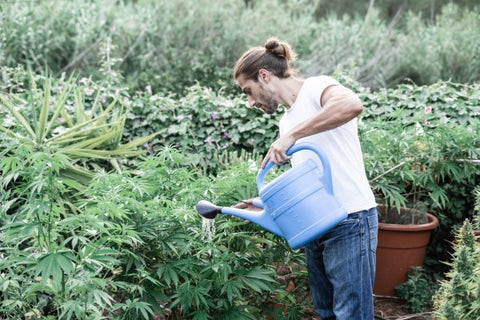
Step by step guide for cannabis dry
In this step by step, we will explore how to carry out this type of crop, from the selection of drought resistant varieties to water conservation techniques and the management of plants in conditions of water stress.
Step 1: Cultivation site selection
The first crucial step in cannabis cultivation under drying conditions is the careful selection of the place where the crop will take place. This is where the basis for the future success of your plants will be established. When choosing the culture, you should consider several important factors:
- Sun exposure: Look for a place that receives an adequate amount of direct sunlight, ideally at least six hours a day. Sunlight is essential for the healthy growth of plants and the production of high quality flowers.
- Protection against strong winds: Strong winds can damage cannabis plants and increase the evaporation of soil water. Find a place that is protected against intense winds, either naturally by trees or other structures, or by installation of fences or screens.
- Soil drainage: It is essential that the soil has a good drain to avoid the accumulation of water around the roots of the plants. Avoid flooding or flooding areas, and look for well -drained soils that allow water to be easily drained.
- Access to water: Even if we are considering the drying crop, it is useful to have access to nearby water sources for emergency situations or for the initial stage of the establishment of plants. This can be important in case of prolonged droughts or unexpected climatic conditions.
- Security and privacy: Consider the safety and privacy of the place of culture to protect your plants from possible robberies or unwanted intruders. Choose a place that is relatively isolated and out of the reach of indiscreet looks.
By taking these factors into account when selecting the place of cultivation, you will be creating an environment conducive to the healthy growth of your cannabis plants under dryland conditions. This initial step is essential for the future success of your culture and to maximize the performance of your plants.
Step 2: Soil preparation
Once the right place for cannabis cultivation is selected under dryland conditions, the next step is to prepare the soil optimally to provide an environment conducive to the healthy growth of plants. Here the steps to follow are detailed:
- Weeds and waste removal: Before starting any soil preparation, it is important to eliminate all weeds and waste from the cultivation area. Weeds can compete for nutrients and water available on the ground, so it is essential to clean the area completely.
- Carved or overthrow: Use a shovel or a motocultor to work or turn the ground at a depth of at least 20-30 centimeters. This will help break the compaction of the soil, improve aeration and facilitate the growth of roots.
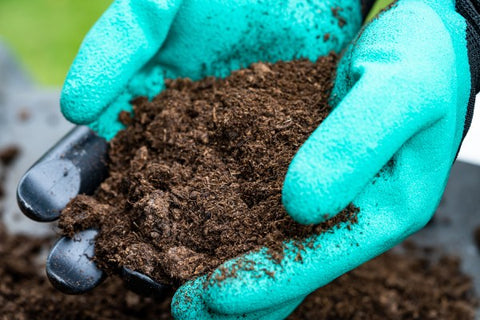
- Soil improvement: At this stage, you can incorporate organic amendments to the soil to improve its structure and fertility. This may include compost, very broken manure, peat, vermicompost or any other organic matter rich in nutrients. Mix the amendments completely on the floor.
- PH setting: Perform a pH test of the soil to determine its current level. The cannabis prefers a pH of the soil slightly acidic, in the range of 6.0 to 7.0. If the pH of the soil is too low (acid) or too high (basic), you can adjust it by adding agricultural lime to increase the elementary pH or sulfur to reduce it.
- Soil leveling: After adding amendments and adjust the pH, the soil level to create a uniform and flat surface. This will facilitate irrigation and management of plants during crop.
- Soil rest: Let the ground rest for at least a week before planting. During this time, organic amendments will be better integrated into the soil and the conditions will be stabilized before planting.
By following these steps for soil preparation, you will be creating a favorable environment for the healthy growth of cannabis plants under dryland conditions. A well prepared soil will provide the roots of the plants the appropriate nutrients and space to prosper and produce abundant crops.
Step 3: Choice of drought -resistant varieties
By selecting cannabis varieties for cultivation under dry conditions, it is crucial to opt for those known for their drought resistance and adaptation. Some recommended varieties are the Northhern Lights, Durban Poison or Blue Dream seeds. These varieties offer desirable qualities for drying cultivation and can help maximize crop success in water shortage conditions.
Step 4: Seed planting or seedling transplant
Once the drought -resistant varieties are selected, the next step is the planting of seeds or the seedling transplantation to the culture place. Here the steps to follow are detailed:
- Soil preparation: Make sure the ground is well prepared according to the recommendations of Step 2. Eliminate any weeds and debris, and the soil level if necessary.
- Seed planting: If you sow seeds directly on the ground, do it at a depth of approximately 1 to 2 centimeters. Place the seeds at an appropriate distance to allow good growth and development of plants.
- Seedling transplant: If you choose to transplant seedlings, make sure they are mature and healthy enough for the transplant. Make a hole in the floor that is large enough to accommodate the seedling roots without bending them. Place the seedling on the hole and fill it with earth, make sure that the seedling is well established and that there are no airbags around the roots.
- Plants protection: Consider the possibility of protecting newly planted or transplanted seedlings from the direct sun and strong winds during the first days to avoid excessive stress.
When following these steps for seed planting or seedling transplantation, you will be establishing the bases for a successful crop in dry dry conditions. It is important to regularly monitor the growth and development of plants and provide adequate care as necessary to ensure their health and vigor.
Step 5: Initial irrigation and establishment
After sowing seeds or transplanting seedlings in the site of cultivation, it is crucial to provide adequate initial irrigation to help plants establish themselves in their new environment. Here the steps to follow are detailed:
- Initial irrigation: After planting or transplantation, it gently water the ground to ensure that it is properly moistened around the roots of the plants. Avoid excess irrigation, since it can cause soil flooding and roots rot problems.
- Irrigation frequency: During the first days or weeks after planting or transplantation, it is important to keep the soil slightly wet but not saturated. The irrigation frequency will depend on factors such as climate, temperature and soil water retention capacity.
- Soil monitoring: Regularly controls soil moisture to make sure the plants receive the right amount of water. This can be done by inserting a finger on the floor to verify moisture or using a soil moisture meter.
- Root establishment: During this stage, plants are developing their roots systems and establishing their structure on the ground. Providing careful and adequate irrigation will help promote a good development of roots and strengthen plants for future periods of drought.
- Stress protection: Avoid exposing freshly transplanted plants to extreme heat or dry conditions. Consider providing partial shadow during the hottest hours of the day and protecting strong wind plants to minimize stress and promote a successful establishment.
By following these steps for the initial irrigation and the establishment of plants, you will be creating the optimal conditions for healthy growth under dry conditions. It is important to continue monitoring and adjusting your irrigation practices as necessary to ensure the long -term success of your crop.
Step 6: Gradual Irrigation Reduction
Once plants have established themselves in the place of cultivation and have developed a strong root system, it is important to gradually reduce the frequency and amount of irrigation to promote greater resistance to drought and promote healthier growth. Here are the steps to follow to perform this transition effectively:
- Soil moisture monitoring: Start regularly monitoring soil moisture to determine when it is necessary to water. This can be done using a soil moisture meter or simply inserting a finger on the ground to evaluate its humidity level.
- Longer irrigation intervals: As plants mature, gradually spaciate intervals between irrigation. This will allow the roots of the plants to actively seek deeper water in the soil, promoting a deeper and drought resistant growth.
- Deep and less frequent irrigation: Instead of frequently watering in small quantities, opt for deeper and less frequent irrigation. This will encourage the roots to grow more deeply in search of water, which will make them more resistant to long -term drought.
- Adjustment according to the weather: Adjust your irrigation practices according to the local climatic conditions and the specific needs of your plants. During periods of cooler or wet weather, you may need to water less frequently, while during the warmer and dry climate periods, you may need to slightly increase the irrigation frequency.
- Plants observation: Look closely at the status of your plants to detect signs of water stress, such as withered or yellowish leaves. If you notice these signs, it may be necessary to adjust your irrigation program to meet the needs of the plants.
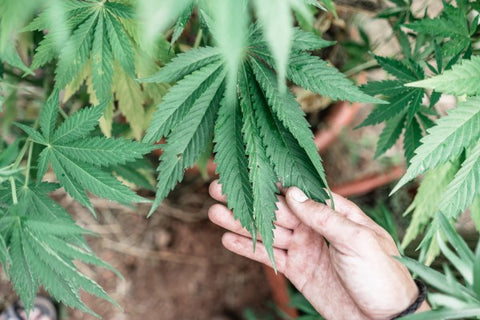
By gradually reducing irrigation and promoting deeper and drought resistant growth in your cannabis plants, you will be promoting long -term health and the ability to adapt your crops to dry drylands. It is important to remember that each plant and each environment are unique, so it is essential to adjust your irrigation practices as necessary to meet the individual needs of your plants.
Step 7: Cultivation maintenance
Once the crop is established in dry and established conditions, irrigation practices, it is important to maintain regular monitoring to guarantee the healthy growth of plants. Here the necessary actions for continuous maintenance of the crop are described:
- Weed control: Keep the weed -free culture area that compete for nutrients and water. Performs periodic weeds to eliminate any unwanted vegetation.
- Pest monitoring and marijuana diseases: Regularly inspect plants for signs of pests or diseases. If problems are detected, take quick measures to control the situation and prevent its spread.
- Adequate nutrition: Make sure the plants receive the necessary nutrients for healthy growth. You can use organic or mineral fertilizers as necessary, but avoid the supercharging that can cause nutritional imbalances.
- Pruning and training: Make regular pruning to promote an adequate plant structure and improve air circulation and light penetration. In addition, it considers training techniques such as apical pruning or Scrog technique to increase the performance and quality of buds.
- Protection against extreme conditions: Protect adverse climatic conditions such as strong winds, frost or extreme temperatures. Consider the use of protection structures or temporary coverage to minimize stress in plants.
- Adequate irrigation: Continue monitoring and adjusting irrigation as necessary to meet the needs of plants throughout its growth cycle. Pay attention to water stress signs and adjust irrigation accordingly.
- Timely harvest: Make the harvest at the right time according to the type of variety and personal preferences. Follow the maturation guidelines of the buds and make sure you harvest at the optimal time to obtain the best quality and power.
By maintaining a regular maintenance program and meet the individual needs of your plants, you will be promoting healthy growth and maximizing the performance of your cannabis cultivation in dry dry conditions. Remember to be diligent and be attentive to any change or problem that may arise, and act accordingly to guarantee the continuous success of your cultivation.
Step 8: Mulching and Water Conservation
The Mulching technique is an effective practice to preserve soil moisture and reduce evaporation, which is especially important in drying cultivation conditions. Here are the steps to implement this technique and conserve water in your cultivation:
- Mulch selection: Choose an adequate mulching material, such as straw, wooden splinters, dry leaves or even black plastic. The objective is to cover the soil around plants to reduce evaporation and maintain moisture.
- Mulch application: Apply a layer of Mulch of approximately 5-10 centimeters thick around the plants, making sure to completely cover the ground but leaving space around the stems to avoid direct contact.
- Mulching benefits: Mulch helps retain moisture in the soil by reducing evaporation, which means that plants will need less irrigation. In addition, Mulch also helps control weeds and maintain a more uniform temperature of the ground.
- Mulch renewal: As the Mulch breaks down over time, it is important to renew it periodically to maintain its benefits. Add a new layer of Mulch as necessary to maintain adequate depth and efficacy in water conservation.
- Soil moisture monitoring: Despite the Mulching, it continues to regularly monitor the moisture of the soil to ensure that the plants receive the appropriate amount of water. Adjust your irrigation program as necessary based on climatic conditions and soil water retention capacity.
When implementing the Mulching technique in your cannabis cultivation under dryland conditions, you can keep soil moisture and reduce the need for irrigation, which will promote healthy and sustainable growth of your plants. Remember to renew the Mulch regularly and adjust your irrigation program according to the specific needs of your plants and environmental conditions.
Step 9: Harvest and drying
The harvest is the culmination of the cannabis cultivation process and it is crucial to perform it at the optimal time to obtain the best results. Here the steps to carry out a successful harvest are detailed:
- Cogollos maturation: Carefully observe your plants to determine when they are ready for harvest. The buds reach their maximum potential for power, flavor and effects when they are completely mature. Look for pistils that have changed color and trichomes that have become opaque or amber.
- Determination of the moment of harvest: The moment of harvest can vary according to variety and individual preferences. Some growers prefer to reap when most trichomes are beds, while others wait until some trichomes become amber for a more relaxing effect.
- Harvest preparation: Before harvesting, prepare a clean and well ventilated space to work. Make sure you have all the necessary tools, such as Clean pruning scissors and drying trays.
- COGOLLOS CUTTING: Use Clean pruning scissors to cut plants' button. Cut each branch individually and leave them in a drying tray for later processing.
- Drying of the buds: Place the co -collides cut into a drying tray in a dark area with good air circulation. Let the buds dry slowly for approximately 7-10 days, or until the stems can break with a slight crunch.
- CUGOLLOS CURE: Once the buds are dry, transfer them to hermetic glass jars for the curing process. Open the bottles daily during the first weeks to allow moisture to escape and air are air. After several weeks of curing, the buds will be ready for consumption.
- Storage: Once healed, store the buds in hermetic glass jars in a cool, dark and dry place to maintain its freshness and long -term power.
The harvest is an exciting moment in the life cycle of your cannabis plants and requires care and attention to obtain the best results. Follow these steps carefully to harvest and process your buds effectively, ensuring an optimal and satisfactory consumption experience.
Advantages of drying cultivation: more profitable
Drying cultivation can be a profitable option for cannabis, especially when compared to other cultivation methods that require intensive irrigation. Next, the aspects that make the cultivation of dry land are analyzed an economically viable option and its comparison with other methods:
- Reduction of irrigation costs: Drying cultivation eliminates the need for costly irrigation systems, significantly reducing infrastructure and water consumption expenses.
- Lower dependence on external inputs: By depending less on fertilizers and chemicals for pest control (due to a more balanced ecosystem), operating costs can decrease.
- Adaptation to climate change: With the growing concern for climate change and water scarcity, dryland cultivation is a sustainable practice that can offer long -term advantages in terms of adaptability and lower environmental impact.
- Increase in product quality: Often, the controlled water stress in the cultivation of dry land can result in cannabis with higher concentrations of cannabinoids and terpenes, which can increase its value in the market.
- Less environmental impact: The sustainability of the dry land cultivation can be an important point of sale, attracting consumers aware of the environment, which can open markets and premium price opportunities.
- Reduction of labor in irrigation: Not requiring complex irrigation systems, the need for labor for irrigation maintenance is reduced, which reduces labor costs.