
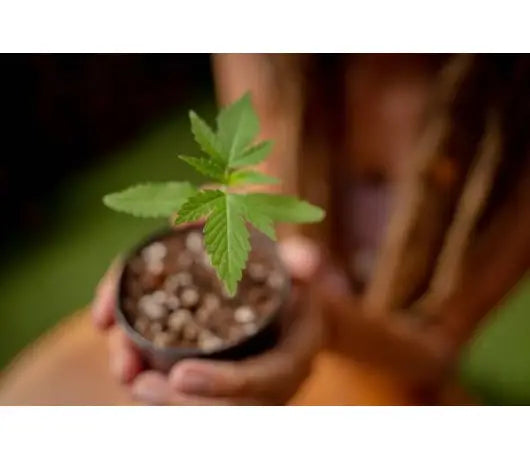
High strength seeds are cannabis varieties especially maids to support adverse conditions that would normally affect other strains. These include extremes of temperature, humidity, presence of pests, and susceptibility to diseases such as mold and fungi. By selecting and strengthening these seeds, growers can ensure a successful harvest even in less than ideal conditions.
The importance of resistant marijuana seeds lies in their ability to provide a reliable and quality harvest. This is crucial not only for commercial cultivators who seek to maximize production, but also for homemade cultivators who can face climatic or space challenges. With characteristics such as cold resistance, heat, mold, fungi and drought, these seeds are vital to maintain the viability and productivity of cannabis cultivation in a variety of environments. High strength seeds allow cultivators:
- Ensure the viability of the crop: In difficult environments, these seeds increase the possibilities of a successful harvest.
- Reduce harvest loss: Being more resistant to diseases and pests, they decrease the risk of crop loss.
- Facilitate management: When requiring less interventions for plants health problems, they simplify the cultivation process.
- Expand culture options: They allow cultivation in areas that could previously have been considered not suitable for cannabis.
In summary, high resistance seeds are a vital innovation in cannabis cultivation, offering solutions to overcome environmental challenges and improve the efficiency and effectiveness of cannabis production.

Types of high strength seeds
High strength seeds come in various varieties, each adapted to survive and prosper in specific conditions. These are some of the most common types:
Cold -resistant seeds
Cold -resistant seeds are a special cannabis category designed to withstand low temperatures, which makes them ideal for cold climates or crops in times of reduced temperatures.
- Cold climate adaptation: These seeds have been raised to withstand lower temperatures normal for cannabis. They have genetic characteristics that allow them to survive and flourish even in cold conditions.
- Growth characteristics: The plants of these seeds usually have a faster flowering cycle, which is crucial to complete the crop cycle before the arrival of extremely low temperatures. In addition, they can have a more robust structure to support the adverse climate.
- Frost resistance and frosts: One of the most important qualities of these seeds is their ability to resist light frosts and frosts, which would normally damage or kill other varieties of cannabis.
- Greenhouse and outdoor culture: Although they are resistant to cold, the greenhouse culture can offer additional protection. However, they are also suitable for outdoor cultivation in regions with short summers.
- Examples and varieties: Some varieties of self -floring marijuana seeds resistant to cold are popular among growers that face these climatic conditions. These self -floring varieties can be especially useful due to their rapid life cycle.
Cold -resistant seeds are essential for growers living in regions with cold climates or stations with low temperatures, allowing them to make the most of their cultivation season.
Heat resistant seeds
Heat resistant seeds are cannabis varieties especially raised to support warm and dry climates. These seeds are an ideal solution for growers in regions with high temperatures and intense sun exposure.
- Adaptation to high temperatures: These seeds have been selected for their ability to tolerate extreme heat. The resulting plants usually have deeper and more efficient roots systems to absorb water and nutrients, even in dry conditions.
- Growth characteristics: Heat -resistant seed plants often have greater tolerance to dehydration and can have thicker and fierce leaves to reduce water loss. Its structure can be more open to allow a better air circulation and reduce the risk of overheating.
- Irrigation management: Although these plants are resistant to heat, proper management of irrigation remains crucial. Efficient irrigation techniques, such as drip irrigation, can be particularly beneficial.
- Protection against heat stress: Despite its resistance, it is important to protect these plants during the hottest hours of the day. The use of shading or strategic planning of the crop location can help mitigate extreme heat stress.
- Varieties and examples: There are several varieties of heat resistant marijuana available in the market, each with unique characteristics adapted to warm climates. These include both strains and sativa, as well as hybrids.
Heat resistant seeds are essential for the success of cannabis cultivation in regions with warm climates, helping to ensure a healthy and productive harvest despite high temperatures.
Seeds resistant to mold and fungi
Mold -resistant seeds and fungi are specially developed cannabis varieties to resist fungal diseases, which can be a serious problem in certain climates and cultivation conditions.
- Moisture adaptation and disease prevention: These seeds produce plants with greater natural resistance to fungal diseases such as mold and oidium. This resistance is crucial in wet climates or culture environments where ventilation and humidity control are challenging.
- Growth characteristics: The plants of these seeds usually have a more open structure, which allows better air circulation and reduces moisture in foliage, thus reducing the risk of fungal infections.
- Crop management: Although these plants are resistant to mold and fungi, it is important to maintain cultivation practices that minimize favorable conditions for the development of these diseases, such as adequate spacing between plants and efficient irrigation management.
- Varieties and examples: There are several marijuana strains resistant to mold and marijuana resistant to oidium, each with its own characteristics and adaptations. These varieties are particularly valuable for growers in regions with high humidity or for those who grow in greenhouses.
- Importance in cannabis production: Mold and fungi resistance is a key factor to ensure a healthy and abundant harvest, especially in environments where these diseases are common.
Mold -resistant seeds and fungi are a vital choice for cultivators who face challenges related to moisture and fungal diseases, ensuring the health and productivity of their cannabis crops.
Drought -resistant seeds
Drought -resistant seeds are cannabis varieties designed to survive and prosper in low water availability conditions. These seeds are essential for growers in arid regions or for those who face water restrictions.
- Adaptations to water scarcity: These seeds produce plants with specific adaptations for water conservation, such as deep and efficient roots systems, and leaves with lower perspiration.
- Growth characteristics: Seed plants resistant to drought are usually more robust and can have a slower growth rate, allowing them to maximize the use of available water. They can also present a more compact structure to reduce water loss.
- Irrigation management: Although these plants are resistant to drought, proper management of irrigation remains crucial. Techniques such as drip irrigation or the use of Mulch to preserve soil moisture can be beneficial.
- Varieties and examples: There are several drought -resistant marijuana strains available in the market, each with its own characteristics and adaptations to survive in low water conditions.
- Importance in sustainable cultivation: Drought resistance is a key factor for cannabis sustainable cultivation, especially in areas where water is a limited resource. These seeds allow cultivators to maintain production even in adverse conditions.
Drought -resistant seeds are a vital choice to ensure the viability and sustainability of cannabis cultivation in regions with water limitations, helping cultivators adapt to the challenges of climate change and the shortage of resources.
Pest -resistant seeds
Pest resistant seeds are cannabis varieties specially developed to have greater natural resistance to common pests in cannabis cultivation. This resistance is crucial to reduce pesticide dependence and for a more sustainable and organic crop.
- Natural adaptations: These seeds produce plants with characteristics that make them less attractive or more resistant to pests. This may include the production of certain essential terpenes or oils that repel insects or a plant structure that hinders access to pests.
- Growth characteristics: Pest resistant seed plants usually have a stronger immune system and can be more robust in general, allowing them to better resist pest attacks without suffering significant damage.
- Integrated pest management: Although these plants are resistant to pests, the use of integrated pest management practices (MIP) remains recommended for optimal control and to prevent pest outbreaks.
- Varieties and examples: There are several plague -resistant marijuana strains in the market, each with its own specific adaptations. These varieties are particularly valuable for organic growers or those who prefer to avoid the use of chemical pesticides.
- Importance in sustainable production: Pest resistance is a key factor for a more sustainable and ecological cannabis culture, reducing the need for chemical interventions and promoting a more natural approach to pest management.
Pest resistant seeds are an essential choice for growers that seek to minimize the use of pesticides and maximize the health and productivity of their cannabis crops sustainably.

Advantages of high strength seeds
High strength seeds offer a series of significant advantages for cannabis cultivation, especially in challenging environments. These include:
- Resistance to extreme climatic conditions: These seeds are adapted to support extreme temperatures, both cold and warm, which makes them ideal for a wide range of climates and stations.
- Tolerance a Marijuana diseases and pests: Being more resistant to diseases and pests, they reduce the need for pesticides and fungicides, promoting a more organic and sustainable crop.
- Lower risk loss: The robustness of these plants significantly decreases the risk of loss of crops due to adverse environmental or biological factors.
- Adaptability to various cultivation environments: Their ability to prosper in a variety of conditions makes them suitable for growers in different regions and with different cultivation techniques.
- Efficiency in water use: Drought -resistant varieties are particularly valuable in areas with water limitations, improving efficiency in the use of this vital resource.
- Sustainable production: By reducing dependence on chemical interventions and better managing environmental challenges, these seeds support more sustainable and ecological cultivation.
- Genetic diversity: High -resistance seed raising contributes to the genetic diversity of cannabis, which is crucial for the long -term health and sustainability of the species.
High strength seeds are an essential tool for cultivators who seek to maximize the efficiency and effectiveness of their cannabis production, facing crop challenges with confidence and sustainability.
High strength seed cultivation
The cultivation of high strength seeds requires a specific approach to make the most of its unique resistance characteristics. Here the steps and key considerations are detailed:
- Selection of the appropriate variety: Choose a variety of high resistance seeds that adapts to the specific conditions of your environment, such as climate and challenges of pests or diseases.
- Soil preparation: Make sure the ground is well prepared, with a good drain and the correct balance of nutrients. This is especially important for drought -resistant varieties, where water retention and nutrient use efficiency are crucial.
- Irrigation management: Implement an efficient irrigation system. For drought -resistant varieties, use techniques such as drip irrigation to minimize water use. In the case of varieties resistant to wet conditions, it avoids excessive irrigation to prevent the development of fungi and mold.
- Pest and disease control: Although these seeds are more resistant, it is vital to maintain integrated pest management practices and be attentive to early signs of disease. Prevention is key to avoiding outbreaks.
- Adaptation to climatic conditions: If you are growing cold or heat varieties, plan the culture cycle to align it with optimal climatic conditions. This may include the choice of the right time for planting and harvesting.
- Regular monitoring: Observe the growth and development of plants regularly. Adjust the cultivation practices as necessary to ensure that the plants are growing in an optimal environment.
- Harvest at the optimal moment: Determine the best time to reap based on the maturity of trichomes and pistils. High strength varieties can have slightly different flowering times from standard strains.
- Post-harvest and storage: Handle the flowers harvested carefully and make sure that the drying and curing process is carried out in a controlled environment to preserve quality.
The cultivation of high strength seeds is an excellent way to ensure a successful harvest in challenging conditions, taking full advantage of the genetic adaptations of these robust cannabis varieties.
Comparison of high resistance seeds with other marijuana seeds
The comparison between high strength seeds and other marijuana seeds focuses on key differences in terms of genetics, adaptability and cultivation purposes:
- Genetics and development: High strength seeds are specifically raised to be resistant to factors such as pests, diseases and adverse climatic conditions. Other marijuana seeds, including regular, feminized or self -confloring, may not have this specialization in resistance.
- Adaptability to extreme conditions: While high strength seeds are adapted to support difficult conditions, other seeds may require more controlled and stable cultivation conditions.
- Resistance to diseases and pests: High strength seeds offer a significant advantage in terms of natural resistance to diseases and pests, reducing the need for chemical interventions, unlike other seeds that can be more susceptible.
- Use and applications: High strength seeds are ideal for growers in challenging environments or for those looking for a more sustainable and organic crop. Other seeds can be preferred by specific characteristics such as effects, flavors or flowering times.
- Cultivation and management: The cultivation of high strength seeds may be more indulgent in adverse environments, while other seeds may require more careful management and optimized cultivation conditions.
The choice between high strength seeds and other marijuana seeds depends on your specific cultivation needs and challenges, as well as your objectives in terms of production, resistance and sustainability.

High strength seeds vs. Hybrid seeds
The comparison between high strength seeds and hybrid seeds focuses on key differences in terms of genetics, adaptability and cultivation purposes:
- Genetics and specialization: High strength seeds are specifically raised to support adverse conditions such as pests, diseases and climatic extremes. Hybrid seeds, on the other hand, are the result of crossing two different strains to combine desirable characteristics, not necessarily focused on resistance.
- Adaptability to extreme conditions: While high strength seeds are adapted to survive in difficult conditions, hybrid seeds may or may not have this adaptability, depending on their specific genetics.
- Resistance to diseases and pests: High strength seeds offer a significant advantage in terms of natural resistance to diseases and pests, unlike some hybrid seeds that may require more protection and care in this aspect.
- Use and applications: High strength seeds are ideal for growers in challenging environments or for those looking for a more sustainable crop. Hybrid seeds are chosen for their combination of effects, flavors or growth profiles.
- Cultivation and management: High strength seed cultivation may be more indulgent in adverse environments, while hybrid seeds can offer a greater variety in terms of cultivation experiences and results.
The choice between high strength seeds and hybrid seeds depends on the specific needs of the cultivator in terms of resistance to adverse conditions and preferences in terms of plant characteristics and effects.
High strength seeds vs. Regular seeds
The comparison between high strength seeds and regular seeds focuses on key differences in terms of genetics, adaptability and cultivation purposes:
- Genetics and specialization: High strength seeds are specifically raised to support adverse conditions such as pests, diseases and climatic extremes. Regular seeds, on the other hand, can be pure or hybrid but are not specifically selected by their resistance to difficult conditions.
- Adaptability to extreme conditions: While high strength seeds are adapted to survive in difficult conditions, regular seeds may not have this adaptability and may require more controlled and stable cultivation conditions.
- Resistance to diseases and pests: High strength seeds offer a significant advantage in terms of natural resistance to diseases and pests, unlike regular seeds that may be more susceptible to these problems.
- Use and applications: High strength seeds are ideal for growers in challenging environments or for those looking for a more sustainable crop. Regular seeds are chosen by growers seeking a more traditional cultivation experience or who are interested in breeding and production of new strains.
- Cultivation and management: The cultivation of high strength seeds may be more indulgent in adverse environments, while regular seeds may require more careful handling and a more experienced approach to handle genetic variability.
The choice between high strength seeds and regular seeds depends on the specific needs of the cultivator in terms of resistance to adverse conditions and preferences in terms of genetic diversity and authenticity of the strain.
High strength seeds vs. Fast version seeds
The comparison between high strength seeds and fast version seeds focuses on key differences in terms of genetics, culture and adaptability cycle:
- Genetics and specialization: High strength seeds are specifically raised to support adverse conditions such as pests, diseases and climatic extremes. Fast version seeds, on the other hand, are a variant of hybrid or self -cell seeds designed to have a faster crop cycle.
- Cultivation cycle: While high strength seeds are adapted to survive in difficult conditions, fast version are specifically raised to accelerate the flowering process, reducing the total crop time.
- Adaptability and Management: High strength seeds can be more indulgent in adverse environments, while fast version are optimized for rapid development, which can be beneficial in regions with short crop seasons.
- Use and applications: High strength seeds are ideal for growers in challenging environments or for those looking for a more sustainable and organic crop. Fast version seeds are preferred by those looking for a quick and efficient harvest.
- Resistance to extreme conditions: High strength seeds offer a significant advantage in terms of natural resistance to diseases and pests, unlike some fast version seeds that may require more protection and care in this aspect.
The choice between high strength seeds and fast version seeds depends on the specific needs of the grower in terms of resistance to adverse conditions and preferences in the speed of the culture cycle.
High strength seeds vs. Self -floring seeds
The comparison between high strength seeds and self -floring seeds focuses on key differences in terms of genetics, adaptability and cultivation purposes:
- Genetics and specialization: High strength seeds are specifically raised to support adverse conditions such as pests, diseases and climatic extremes. Self -floring seeds, on the other hand, include cannabis genetic ruderalis, allowing them to automatically flourish without depending on the light cycle.
- Cultivation cycle: High strength seeds can have variable growth cycles depending on their specialization in resistance. The self -floring, on the other hand, have a fixed and fast life cycle, independent of the light cycle.
- Adaptability to extreme conditions: High strength seeds are adapted to survive in difficult conditions, while self -confloring are generally more resistant and less demanding in terms of cultivation conditions.
- Use and applications: High strength seeds are ideal for growers in challenging environments or for those looking for a more sustainable crop. The self -confloring are popular due to their convenience and rapid cultivation cycle.
- Handling and care: High strength seeds may require a more adaptive approach to handle genetic diversity, while self -confloring are often considered easier and more appropriate for beginner growers.
The choice between high strength seeds and self -floring seeds depends on your preferences regarding the customization of genetics, crop time and ease of handling.

High strength seeds vs. Feminized seeds
The comparison between high strength seeds and feminized seeds focuses on key differences in terms of genetics, culture purpose and expected results:
- Genetics and specialization: High strength seeds are specifically raised to support adverse conditions such as pests, diseases and climatic extremes. Feminized seeds, regardless of whether they are high resistance or not, are treated or selected to exclusively produce female plants.
- Plants sex: While high strength seeds can produce both male and female plants, feminized seeds guarantee almost 100% of female plants, which is crucial for co -collide production.
- Resistance to extreme conditions: High strength seeds offer a significant advantage in terms of natural resistance to difficult conditions, unlike feminized seeds that may or may not have this resistance.
- Use and applications: High strength seeds are ideal for growers in challenging environments or for those looking for a more sustainable crop. Feminized seeds are preferred by growers who want to avoid the process of identification and elimination of male plants.
- Cultivation and management: The cultivation of high strength seeds may be more indulgent in adverse environments, while feminized seeds may require more careful management and optimized cultivation conditions to maximize the production of cogollos.
The choice between high strength seeds and feminized seeds depends on the specific needs of the cultivator in terms of resistance to adverse conditions and preferences regarding the guarantee of female plants for the production of co -collides.
High strength seeds vs. Landrace seeds
The comparison between high strength seeds and Landrace seeds focuses on key differences in terms of genetics, adaptability and cultivation purposes:
- Genetics and specialization: High strength seeds are specifically raised to support adverse conditions such as pests, diseases and climatic extremes. Landrace seeds, on the other hand, come from strains that have naturally evolved in a specific environment for centuries, maintaining pure and regional genetics.
- Adaptability to extreme conditions: While high strength seeds are adapted to survive in difficult conditions, Landrace seeds may not have this adaptability and are more adapted to the specific conditions of their region of origin.
- Resistance to diseases and pests: High strength seeds offer a significant advantage in terms of natural resistance to diseases and pests, unlike Landrace seeds that may be more susceptible to these problems in an environment other than yours.
- Use and applications: High strength seeds are ideal for growers in challenging environments or for those looking for a more sustainable crop. Landrace seeds are chosen by cultivators who are looking for a more traditional cultivation experience or who are interested in the conservation of pure strains.
- Cultivation and management: The cultivation of high resistance seeds may be more indulgent in adverse environments, while Landrace seeds may require a more experienced and adaptive approach in the crop, especially outside its native environment.
The choice between high strength seeds and Landrace seeds depends on the specific needs of the cultivator in terms of resistance to adverse conditions and preferences in terms of the authenticity and genetic purity of the strain.
High strength seeds vs. CBD seeds
The comparison between high strength seeds and CBD seeds focuses on key differences in terms of genetics, resistance and cultivation purposes:
- Genetics and specialization: High strength seeds are specifically raised to support adverse conditions such as pests, diseases and climatic extremes. CBD seeds, on the other hand, are selected or modified to produce high levels of cannabidiol (CBD), regardless of their resistance to external conditions.
- Resistance to extreme conditions: While high strength seeds are adapted to survive in difficult conditions, CBD seeds may not have this adaptability and may require more controlled and stable cultivation conditions to maximize CBD production.
- Cultivation purpose: High strength seeds are ideal for growers in challenging environments or for those looking for a more sustainable crop. CBD seeds are chosen mainly by their medicinal and therapeutic applications, especially in contexts where psychoactive effects are sought.
- Use and applications: High strength seeds are suitable for a variety of cultivation environments and challenges, while CBD seeds are sought by their medicinal properties, such as pain relief, reduction in anxiety and anti -inflammatory effects.
- Cultivation and management: High strength seed cultivation may be more indulgent in adverse environments, while CBD seeds may require more careful management and optimized cultivation conditions to maximize CBD production.
The choice between high strength seeds and CBD seeds depends on the specific needs of the cultivator in terms of resistance to adverse conditions and preferences in terms of the medicinal and therapeutic properties of cannabis.
High strength seeds vs. Seeds F1, F2, F3, etc.
The comparison between high strength and seed seeds F1, F2, F3 (successive hybrid generations) focuses on key differences in terms of genetics, resistance and cultivation purposes:
- Genetics and specialization: High strength seeds are specifically raised to support adverse conditions such as pests, diseases and climatic extremes. F1 seeds are the first generation of a specific crossing, while F2, F3, etc., are successive generations that have greater genetic variability.
- Genetic consistency vs. Variability: High strength seeds offer consistency in terms of resistance to difficult conditions. On the other hand, F1 seeds are usually genetically stable and vigorous, but F2, F3, etc., have greater variability and genetic diversity.
- Cultivation purpose: High strength seeds are ideal for growers in challenging environments or for those looking for a more sustainable crop. F1, F2, F3, etc. seeds are used by breeders and growers interested in exploring and selecting specific features through generations.
- Use and applications: High strength seeds are suitable for a variety of cultivation environments and challenges, while seeds F1, F2, F3, etc., are sought by their potential in the breeding and development of new strains with unique characteristics.
- Cultivation and management: High strength seed cultivation may be more indulgent in adverse environments. On the other hand, seeds F1, F2, F3, etc., require a more detailed approach and advanced knowledge to handle genetic variability and select the desired characteristics.
The choice between high strength and seed seeds F1, F2, F3 depends on whether you are looking for a robust and resistant cultivation to adverse conditions or if you are interested in long -term genetic breeding and experimentation.
Situations and objectives to choose high resistance seeds
High strength seeds are suitable for a variety of cultivation situations and objectives. Here are some circumstances in which these seeds would be the ideal choice:
- Cultivation in extreme climatic conditions: If you face extremely cold, hot climates or significant temperature fluctuations, high resistance seeds can offer the necessary robustness to survive.
- Face challenges of pests and diseases: In areas where pests and diseases are a recurring problem, these seeds can provide natural resistance, reducing the dependence on pesticides and fungicides.
- Cultivation in areas with water restrictions: For regions with water limitations or drought conditions, drought -resistant seeds are essential to maintain a viable harvest.
- Sustainable and Organic Production: If you are looking for more sustainable and organic cultivation, these seeds allow to reduce the use of chemicals and make the most of the available natural resources.
- Experimentation and adaptation: For growers who enjoy experiencing and adapting their cultivation practices to different conditions, high resistance seeds offer an opportunity to explore cannabis resilience.
- Maximize production in challenging environments: If your goal is to maximize the production and quality of cannabis in challenging environments, these seeds can provide the necessary characteristics to achieve it.
Choosing high resistance seeds is aligned with objectives focused on adaptability, sustainability, and overcoming specific challenges in cannabis cultivation.