
Black balls in marijuana plants can be an indicator of several factors, but in many cases, these are pest droppings, mainly caterpillars. These small balls, black or very dark, are usually the size of the head of a pin and are frequently found in the leaves, stems, and in particular near or on the cogollos of the plant. Its presence is not only a sign of alarm about plant health, but it can also affect the quality and safety of the final product.
It is important to mention that the appearance of these black balls is not a common phenomenon in all marijuana plants and their presence depends largely on cultivation and environment conditions. In a controlled environment, such as a greenhouse or an inner crop with preventive pest measures, they are less likely to appear. However, in an exterior crop and in certain climatic conditions that favor the appearance of caterpillars and other insects, these balls may appear more frequently.
As for the growth stages, black balls may appear at any time, although it is more common to observe them during the flowering stage. This is because caterpillars and other insects are attracted to developing buds, rich in resins and nutrients. Its presence at this critical stage can have a significant impact on the health of the plant and the quality of the buds, so early identification and treatment are essential to learn how to kill caterpillars.
Black balls in marijuana plants are usually a sign of trips or mites. They can cause damage to the plant and require control by organic or chemical methods. Regular monitoring is key to preventing serious infestations.
Causes of the appearance of black balls in marijuana
The appearance of black balls in marijuana plants can be attributed to several causes, each related to different aspects of the crop and the environment. It is crucial for cultivators to understand these causes to implement adequate preventive and treatment measures.
- Pest droppings: Black balls can be the result of pest activity such as trips, mites or other insects. These insects feed on plants tissues and can leave excrement in the form of small black balls. The presence of these excrement is a clear sign of a pest infestation, which can cause significant damage to plants if not properly controlled.
- Dead leaves and organic waste: The accumulation of dead leaves, remains of plants and other organic waste around marijuana plants can lead to the formation of black balls. The decomposition of these organic materials by bacteria and fungi can generate dark compounds that resemble black balls. It is important to maintain the culture area clean and free of waste to avoid the appearance of these balls.
- Pathogenic fungi: Some pathogenic fungi, such as Fusarium, Botrytis and Alternaria, can cause the formation of black balls in marijuana plants. These fungi can infect plants through fabric wounds or favorable environmental conditions for growth. The presence of black balls may indicate a fungal infection that needs to be treated with specific fungicides.
- Nutrition problems: Nutrient deficiencies, such as the lack of magnesium or iron, can cause discoloration of the leaves and other symptoms that can manifest as black balls in marijuana plants. It is important to maintain an adequate balance of nutrients in the culture substrate and correct any deficiency to prevent the formation of these balls.
Identifying the specific cause of black balls is crucial to implement effective corrective measures and avoid additional damage to plants. Through careful inspection and proper management of crop, it is possible to prevent the formation of black balls and maintain a healthy marijuana culture.
Trips plague in marijuana plants
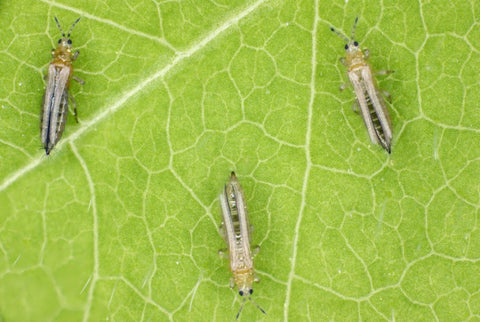
Trips are small winged insects that can cause significant damage to marijuana plants if they are not properly controlled. Here we indicate how to identify the presence of trips and where they are located in the plants:
- Trips are tiny insects, usually less than 2 mm long, light to dark, with fragile and narrow wings.
- They can be found both at the top and bottom of the leaves of the marijuana plants.
- They are often difficult to see with the naked eye due to their small size and rapid movement.
- Trips can leave excrements behind them that appear as small black balls on the leaves and co -collides of the plants.
Where are the Trips?
- Trips can be found in all parts of marijuana plants, but tend to congregate in areas where the leaves are more tender and succulent.
- They can be found in the upper and lower part of the leaves, as well as in the stems, the new outbreaks and the developing buds.
- Trips prefer warm and dry climates, so it is common to find them inside greenhouses or in areas with high temperatures and low humidity.
Damage caused by TRIPS
- Trips feed on marijuana plants, drilling plant cells and sucking juices.
- This can cause damage in silver or tanned spots on the leaves, as well as the deformation of the outbreaks and buds.
- Trips can also transmit bacterial viruses and diseases to plants as they feed, which further aggravates damage.
In summary, the presence of trips in marijuana plants can be identified by the observation of small and fast insects, as well as the appearance of excrement in the form of black balls. These insects tend to be located in the most tender parts of plants, such as new leaves and developing outbreaks. It is important to regularly monitor plants to detect the presence of trips and take adequate control measures to prevent major damage.
Mites in marijuana plants
Mites are small arachnids that can cause serious damage to marijuana plants if they are not properly controlled. Here I indicate how to identify the presence of mites and where they are located in the plants:
- Mites are extremely small and can be difficult to see with the naked eye. Usually, they measure less than 1 mm long.
- They have oval bodies and can be white, yellow, green or red, depending on the species.
- They are often grouped in the underside of the leaves and in the stems of the marijuana plants.
Where are mites?
Mites prefer warm and dry climates, so they tend to be located at the bottom of the leaves, where moisture is lower.
They can be found in all parts of the plant, but they are more common in the oldest leaves and in the new outbreaks.
Mites often weave fine cobwebs on the leaves and stems, which can be a revealing sign of their presence.
Damage caused by mites
- The mites feed on the tissues of marijuana plants drilling cells and sucking fluids.
- This can cause discoloration of the leaves, as well as yellow or silver spots on the surface.
- Mites can also weaken plants and make them more susceptible to diseases and other health problems.
In summary, the presence of mites in marijuana plants can be identified by the observation of small mobile points in the underside of the leaves, as well as by the presence of fine cobwebs. These mites are mainly located in the oldest leaves and in the new outbreaks, and tend to prefer warm and dry environments. It is important to regularly monitor plants to detect the presence of mites and take adequate control measures to prevent major damage.
Playwash in marijuana plants
The caterpillars are larvae of butterflies or moths that can cause significant damage to marijuana plants if they are not controlled properly. Here I show you how to identify the presence of caterpillars and where they are located in the plants:
- The caterpillars are butterflies or moths and have soft and segmented bodies. They vary in size and color depending on the species, but they are commonly green, brown or black with distinctive brands or bands.
- They often have well developed legs in the front and rear of the body, which allows them to move easily.
Where are the caterpillars?
- The caterpillars can be found in all parts of the marijuana plant, but tend to be located in the leaves and stems where they can easily feed.
- They hide during the day and feed mainly at night. During the day, they can take refuge in dark and protected places, such as under the leaves or inside the buds.
- They often leave traces of green or black excrements around the areas where they feed.
Damage caused by caterpillars
- The caterpillars feed on the tissues of the leaves and the stems of the marijuana plants, leaving irregular holes or bites in the leaves.
- They can seriously damage plants, especially if they are present in large quantities. In severe cases, they can completely defoliate a plant.
In summary, caterpillars are butterflies or moths that can cause significant damage to marijuana plants when feeding on their tissues. Identifying them early and taking adequate control measures is crucial to protect the health and crop performance.
Black balls in marijuana plants by fungal infection
Identifying whether black balls in marijuana plants are the result of fungal infection requires careful observation and evaluation of several factors. Here are some steps that you can follow to determine if the black balls are caused by a fungal infection:
- Visual examination of black balls: Look closely at the black balls in marijuana plants. Examine its shape, size and texture. Balls caused by pathogenic fungi are usually larger than those left by insects and may have a more irregular appearance or filamentous.
- Inspection of other parts of the plant: Examines other parts of the plant in search of additional signs of fungal infection. These may include spots, mold, rot, discoloration or deformation of leaves, stems or other tissues.
- Characteristic smell: Pay attention to the characteristic smell associated with fungal infections. Some pathogenic fungi can produce unpleasant odors, such as a smell of moisture, wet earth or mold.
- Environment and cultivation conditions: Evaluate the environmental and culture conditions that could favor the development of fungal infections. High temperatures, high humidity, overcrowding of plants and lack of ventilation are factors that can promote the spread of pathogenic fungi.
- History of cultivation problems: Consider the history of cultivation problems in your area or in your installation. If you have previously experienced fungal infections or other similar problems, it is more likely that black balls are the result of fungal infection.
- Additional tests: If you have access to additional resources, such as microscopes or test kits, you can perform additional tests to confirm the presence of pathogenic fungi. This may include the observation of fungal structures under the microscope or the performance of specific diagnostic tests.
If after performing these determined evaluations that black balls in your marijuana plants are the result of a fungal infection, it is important to take quick and effective measures to control the propagation of the fungus and protect the health of your plants.
Impact on the health and quality of the plant
The presence of black balls in marijuana plants, usually indicative of pest infestation, can have significant effects on both the health of the plant and on the quality and power of the final product.
Plant health
- Physical damage: The caterpillars and other pests left by these black balls feed on the leaves, stems and, the most critical, of the co -collides of the plant. This physical damage can limit the plant's ability to efficiently, which is vital for its growth and development.
- Vulnerability to diseases: The bites and damage that these pests cause in the plant can open doors to bacterial and fungal infections, which can further weaken the plant and in severe cases, it can lead to their death.
Quality and power of marijuana
- Quality reduction: Cogollos affected by pests can suffer degradation in their appearance, flavor and aroma. The presence of pest droppings and the damages that bugs do in the buttons can also negatively affect consumer experience.
- Decrease in power: Pests and associated stress can affect the production of cannabinoids and terpenes in the plant. This means that marijuana can end up being less powerful and effective, for both recreational and medicinal users.
- Consumer health risks: The consumption of marijuana that has been affected by pests and its waste can have health risks. The excrements and bodies of pests can contain pathogens and harmful microorganisms.
Prevention and treatment against pests
To maintain the health of marijuana plants and ensure the quality of buds, it is crucial to adopt effective prevention and treatment strategies against pests that cause the appearance of black balls.
Pest prevention in marijuana that cause black balls
- Regular inspection: Perform frequent inspections of plants to detect early signs of pests or diseases.
- Cultivation environment control: Maintain optimal conditions in the cultivation area, such as good ventilation, adequate humidity levels, and a controlled temperature, can help prevent pest appearance.
- Hygiene in the cultivation area: Ensure cleaning of the culture area and regularly disinfect the tools and equipment to avoid the introduction of pests.
- Use of physical barriers: Implement physical barriers, such as fine meshes or networks, can prevent insects such as butterflies and moths put in plants.
- Companions and biological control crops: Planting species that naturally repel pests or introducing natural caterpillars, such as certain beneficial birds or insects, can be an effective and ecological strategy.
Pest treatment in marijuana that cause black balls
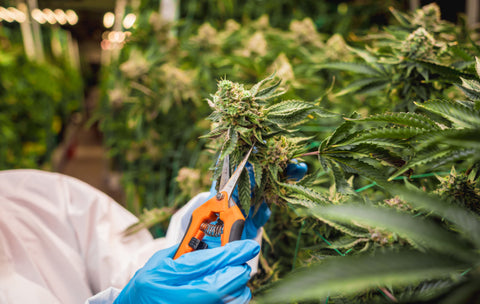
If pests are detected in small numbers, remove them manually can be effective. Another option is to prune the Affected areas of the plant to prevent the spread of pests and diseases they may carry. Below we present options to deal with the main insects and fungi pests:
- Insecticide Decis Protech Bayer. It is a very good option since it is a versatile insecticide suitable for fighting caterpillars and trips.
- Sprucit Insecticide Acaricide. It is an insecticide of natural origin capable of ending insects and mites in different phases of plant growth.
- Fungicides and antihongos. To end Botrytis uses the Fungicide Propolix de Trabe
After treating the pests, continue to monitor the plant regularly to ensure that the problem has been completely solved.