


-
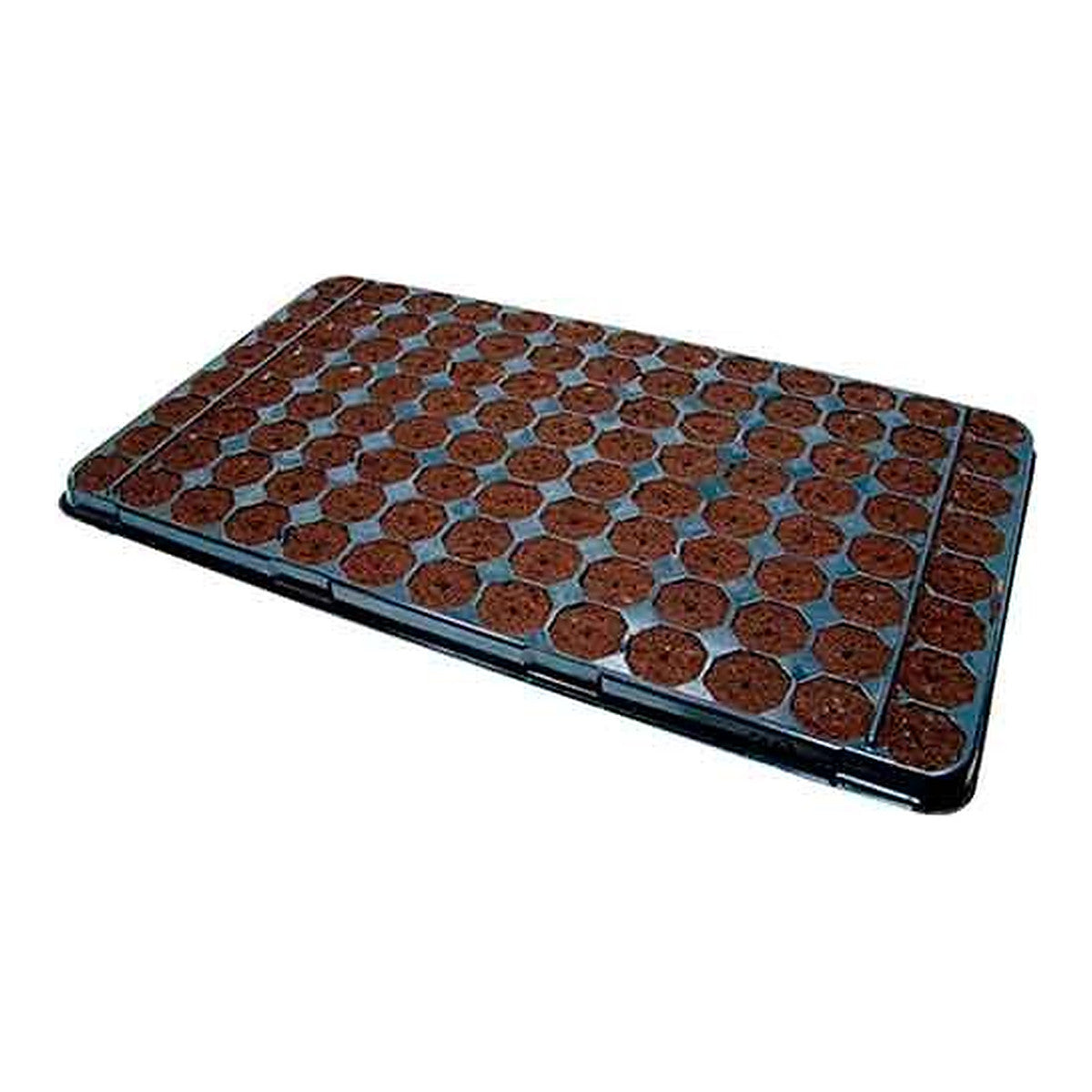
Speed Grow Natural Rock Wool Plug 10x10cm – Hydroponic Growing Cube for Transplanting
Regular price 120,49 € Out of stock

Find the best substrate
In GrowIndustry we understand the importance of having the best substrate in a productive and healthy way. That is why we offer a wide variety of substrates, so you can choose the one that best suits your needs.
Among our selection of substrates you will find natural and artificial, inert or active, organic or inorganic options. We offer substrates for crops both in soil and in coconut fiber, as well as for aeroponic and hydroponic systems.
In addition to giving you access to the best substrates on the market, we also provide you with all the necessary information to ensure the best performance in your plantations.
Growing Substrates
We offer a wide variety of substrates, from typical natural soils to more innovative options such as artificial and organic substrates. Whether you are looking for a substrate for growing outdoors or indoors, we have everything necessary to ensure success of your plantations. In addition, we provide detailed information about each type of substrate to help you make the best decision for your crop.
Exploring natural substrate options for your crops
Although sand, gravel, and volcanic soil are natural substrate options for your crops, they are not the most recommended or popular. If you want to use natural substrates, we suggest you consider other alternatives.
The earth, a natural and economical substrate for your crops
The earth is a natural substrate which has been used since ancient times to cultivate. It is rich in essential nutrients for plant growth, such as nitrogen, phosphorus and potassium.
It is also a substrate cheap and easy to get anywhere. However, being a natural substrate, the quality of the soil may vary depending on the area where it is extracted.
That is why it is important to choose the right soil for your crop, whether using a soil mix or a specific soil for the type of plant you want to grow. In general, the earth has a Slightly acidic or neutral pH and one good water retention capacity.
Coconut substrate: an organic option for healthy and efficient growth
The coconut peat It is an organic substrate of high quality obtained from the peel of this fruit, which decomposes quickly. This substrate contains trichoderma naturally, which helps prevent the spread of fungus in the roots and stimulates healthy plant growth. With prolonged and proper use, it is an excellent option for four growing cycles in a row, which means that it is not necessary to change the substrate during the growing process.
The coconut crops they usually are healthier and they grow faster compared to other media. In addition, it has superior drainage and is ultra absorbent, which guarantees that your plants will not be thirsty.
Coconut fiber for hydroponic cultivation: An option close to the soil with many advantages
The coconut fiber It is a very popular substrate for hydroponic growing because it closely resembles soil. It is composed of the outer fibers of coconut in different particle sizes. The larger the particles, the less they retain water, making it easier for them to dry faster. This creates greater opportunities to water and feed your plants. Furthermore it is very effective for indoor cultivation since it resists fungi.
This substrate option is ideal for use with mineral fertilizers and it can also work well with microbes, which help break down food and help the roots assimilate it efficiently. It is important to mention that coconut fibers have a neutral pH.
Worm castings: An organic substrate for a sustainable and healthy crop
The worm castings is a organic substrate that nourishes the soil naturally, allowing you to avoid the use of chemicals that are harmful to the environment, achieving plants with a better molecular balance.
Artificial substrates for efficient cultivation: proven alternatives
The artificial substrates They are an excellent alternative for cultivation, since they are manufactured with materials whose performance has been widely proven. You can use them in all phases of cultivation, but you also have the option of combine them with natural substrates or change them according to the needs of your plants, whether in the growth or flowering stage. Some of the best artificial plant substrates include the rock wool, and the expanded clay for plants, the perlite and vermiculite for plants
Inert vs Active Substrates: differences and uses in cultivation
The inert substrates are those who They do not provide any type of nutritional benefit to plants, examples of these are gravel, sand and expanded clay products. Its main function is create adequate flow of water and oxygen in the substrate, which is beneficial for the root system of plants. On the other hand, active substrates are those that do have an impact on the fertilization of plants, since they contain essential nutrients for the growth and flowering of plants.
Exploring the variety of substrates: beyond established classifications
There are many different classifications for substrates, and these could lead to a lot of discussions. Apart from the categories already mentioned, there are many other criteria in which you could find differences between substrates. We recommend that you continue researching to be informed and be able to choose the best substrate for your plants.
The universal substrate: a complete option to meet the needs of your plants
The universal substrate It is an option that is designed to cover all the needs of your plants. These substrates are composed of a mixture of different raw materials, which can include high-quality peat, mineral fertilizers with trace elements, coconut fibers, vermiculite, among others. It is appropriate for plants that require a high supply of nutrients.
Some of the main benefits of using universal substrates include:
- Offer a balanced mixture of nitrogen, phosphorus and potassium, which reduces the need for additional fertilization.
- Speed up the rooting process and at the same time save humidity.
- Does not contain weed seeds or pest germs.
Commercial substrates: a wide variety of options for all your growing needs
The commercial substrates They are those that are manufactured and marketed by companies specialized in the sector. These substrates are prepared with the objective of meet the needs of growers, based on studies and tests that support its effectiveness. Among the best-known brands on the market is the Canna substrate, Biobizz substrate, Atami substrate, Plagron substrate and the Top Crop substrate, each with a wide variety of substrate options, such as natural substrates such as coconut fiber or worm castings, and artificial substrates such as expanded clay and perlite.