Pack 10 Rapid NPK and pH Tests – Soil Analysis to Detect Nutrients and Acidity in Soil
Pack 10 Rapid NPK and pH Tests – Soil Analysis to Detect Nutrients and Acidity in Soil
-
Análisis: NPK y pH del sustrato
-
Contenido: 10 tests con 4 sobres cada uno
-
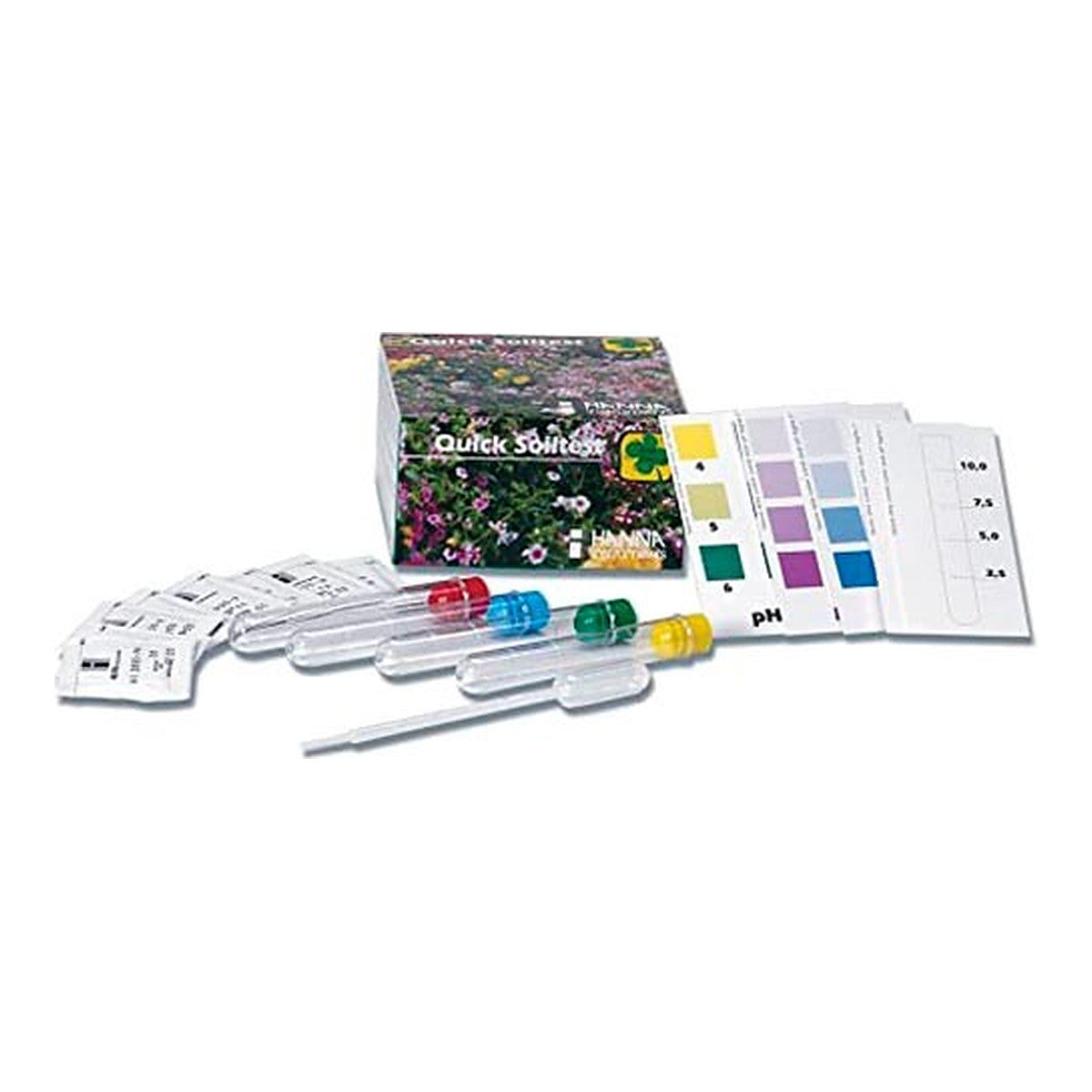
Incluye: Pipeta 1 ml, 4 tubos y tarjetas color
-
Método: Comparación de color tras reactivo
Envío 3-5 días
Seguro y sin sorpresas
Pago seguro SSL
Tu pago 100% seguro


Descubre las ventajas del PRO CLUB
Descuentos de hasta -12%, envíos prioritarios y más.
Devolución fácil en 15 días
Sin preguntas
Descripción
He Fast NPK and pH Test soil It is the perfect solution to know the macronutrient levels (phosphorus, potassium and nitrogen) that the substrate has. In addition, you can also measure the pH level. Two essential actions to optimize crop feed.
Descripción completa
Characteristics of the rapid NPK and Ph test for soil
The NPK and Ph soil rapid test will allow you to know the pH level, nitrogen (N), potassium (K) and phosphorus (P) containing the crop substrate. These elements are considered the most important macronutrients for the crop. This product consists of a box in which 10 quick tests come. Each of them contains 4 envelopes inside to carry out the tests individually. The test also includes a 1 milliliter plastic pipette, 4 test tubes, 4 color contrast cards and 1 graduated card.
How to do an NPK test with the soil analysis kit?
To do the NPK macronutrient test, you must prepare a cup of coffee full of substrate from the middle or lower part. This substrate Mix it with 8 cups of distilled water. Mix everything well and let it sit until the earth settles to the bottom. Then With the pipette you take 2.5 milliliters of water from the top of the mixture preventing substrate from entering. The water is introduced from the pipette into the test tube and pour the contents of the envelope for the test, whether nitrogen, phosphorus or potassium. The tube is closed and shake for about 30 seconds, letting it rest for another 30. Finally, the color is contrasted with the nitrogen, phosphorus or potassium table.
How to do a PH test with the soil analysis kit?
To do the pH test with the kit, take a teaspoon and fill it with substrate from the middle or lower part of the pot. Then the substrate is placed in the test tube and distilled water is added. The tube is closed and shaken for about 30 seconds. Next, the reagent liquid is added for the pH, the tube is closed and shaken again for 30 seconds. Finally, let it rest for another 30 seconds and contrast the color to know the pH level.
Garantía
En GrowIndustry solo trabajamos con productos de calidad contrastada y marcas de confianza.
Cada artículo pasa por un control antes del envío para asegurar que lo recibes en perfectas condiciones y listo para usar.
Tu satisfacción es nuestra prioridad.