


Growing marijuana, like any other art of gardening, requires attention, care and, above all, a deep knowledge of the needs of your plants. One of the most frequently asked and crucial questions on every grower's mind is: "When should I transplant my marijuana plant?"The answer to this question is vital, since a timely transplant can be the difference between a flourishing plant and one that is struggling to survive.
Transplanting a marijuana plant is not just a matter of moving it from one place to another; It is a strategic process that involves understanding the life cycle of the plant, recognizing the signs indicated by the plant and choosing the perfect moment for its transplant. This is especially important in the case of when to transplant outdoor plants, where environmental factors play an even more significant role.
You should repot your marijuana plant when the roots have completely taken up the space in the current container, which usually occurs approximately every 2-4 weeks during the vegetative phase. Watch to see if the roots begin to protrude through the drainage holes or if the plant's growth slows. Transplant carefully to avoid damaging the roots and be sure to provide a new container with enough space for the plant's continued growth.
The Life Cycle of Marijuana
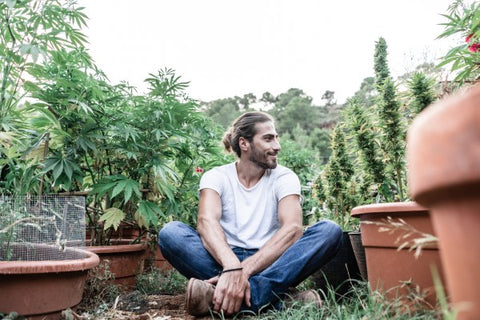
Successful marijuana cultivation begins with a deep understanding of its life cycle. Each stage in the development of the marijuana plant has its unique needs, and transplanting plays a crucial role in several of these phases. We are going to explore the stages of the marijuana life cycle and the importance of transplanting in each of them.
- Germination: This is the first stage, where the marijuana seed begins to sprout. Germination usually occurs in a small bucket or container. Transplantation is not applicable at this stage, but is essential to prepare the transition to the next phase.
- seedling: After germination, the plant enters the seedling stage. Here, the plant is delicate and requires careful handling. Transplanting at this stage may be necessary if the seedling has been started in a very small container. The goal is to provide enough room for root growth without causing stress to the plant.
- Vegetative Growth: In this phase, the marijuana plant actively grows in height and foliage. Transplanting is crucial here, as plants often need more space to expand their roots. A timely transplant at this stage ensures that the plant has enough space to grow vigorously.
- Flowering: This is the last stage, where the plant develops buds. During flowering, transplanting is generally not recommended as it can stress the plant and negatively affect bud production. It is important to have completed any necessary transplants before the plant enters this stage.
Signs that Your Marijuana Plant Needs a Transplant
Identifying the right time to transplant your marijuana plant is crucial for its health and productivity. There are specific physical signs that can help you determine when it is time to transplant. These signs vary slightly between indoor and outdoor plants, due to differences in their growing environments.
Signs on Indoor Marijuana Plants
- Visible Roots: One of the clearest signs is when the roots begin to show through the drainage holes of the container. This indicates that the plant has outgrown its current footprint.
- Slow Growth: If you notice that your plant's growth has slowed significantly, it may be a sign that the roots are too tight.
- Frequent Watering: If you need to water the plant more often than normal, it may be a sign that the roots do not have enough room to retain water.
signs in Outdoor marijuana plants
- Leaf Coloration: Leaves that turn yellow or show signs of wilting may indicate that the plant is stuck in a small space and needs more room for its roots.
- Roots on the Soil Surface: For outdoor plants, if you see roots growing near the surface of the soil or surrounding the base of the plant, it is a clear sign that they need more space.
- Disproportionate Development of the Aerial Part: If the top of the plant grows disproportionately compared to the size of its container or soil space, it is time to consider a transplant.
General Considerations
- Transplant Stress: For both indoor and outdoor plants, it is important to minimize stress during transplanting. A transplant done carefully and at the right time can significantly improve the overall health of the plant.
- Careful Observation: Maintain regular observation of your plant to detect these signs. Recognizing them in time can make a big difference in the effectiveness of the transplant.
When to Transplant Outdoor Plants
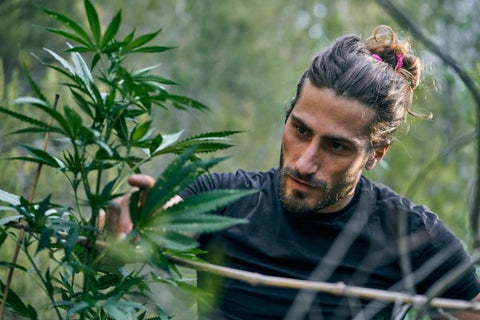
Transplanting marijuana plants outdoors involves careful consideration of weather and soil conditions, as both factors play a crucial role in the success of the transplant. Below is a detailed analysis of when and how to optimally transplant outdoor plants.
Climate Assessment
- Ideal Temperature: Look for stable temperatures, preferably in spring or early summer, when the risk of frost has passed and night temperatures do not drop too much.
- Avoid Climate Extremes: Avoid transplanting during heat waves, extreme cold or periods of heavy rain, as these can stress the plant.
Soil Considerations
- Soil Moisture: The soil should be moist, but not saturated. Soil that is too dry can damage the roots, while waterlogged soil can cause rot.
- Soil Quality: Make sure the new location has fertile, well-drained soil. Nutrient-rich soil will help the plant establish itself more quickly.
Plant Growth Phase
- Before Flowering: The best time to transplant is during the vegetative growth stage, before the plant begins to flower.
- Plant Size: A young plant, but not too small, is ideal for transplanting. This is because it is still manageable and its root system is not too extensive.
Transplant Preparation
- Acclimatization: If your plant has been in a greenhouse or indoors, gradually acclimatize it to outdoor conditions to reduce transplant shock.
- Time of Day: Transplant during the coolest hours of the day, preferably in the morning or evening, to minimize heat stress.
Post-Transplant Observation
- Surveillance: After transplanting, carefully observe the plant to make sure it adapts well to its new environment.
- Proper Irrigation: Provide enough watering to help establish roots in the new soil, but avoid overwatering.
When to Transplant Houseplants
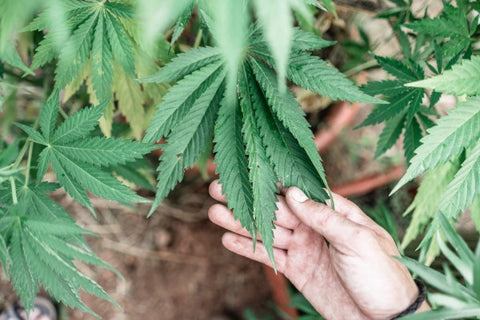
Transplanting indoor marijuana plants requires careful consideration of several factors to determine the ideal timing. Unlike outdoor plants, indoor plants are subject to a more controlled environment, which offers some flexibility when transplanting. Here are some key points to keep in mind:
- Observation of Root Growth: As with outdoor plants, a key sign to transplant is when roots begin to poke through the container's drainage holes. This indicates that the plant has outgrown its current space and needs more room to expand.
- Vegetative Growth Phase: The best time to transplant is during the vegetative growth stage, before the plant begins the flowering phase. During this stage, the plant is actively growing and can better recover from the stress of transplanting.
- Avoid Transplants During Flowering: It is recommended not to transplant during the flowering stage, as this can cause significant stress to the plant and negatively affect bud development.
- Stable Environmental Conditions: Take advantage of the controlled environmental conditions of indoor crops to carry out the transplant. Make sure the temperature, humidity, and lighting are adequate and stable before proceeding.
- Preparation of the New Container: Choose a larger container with good drainage. Make sure it is clean and prepare quality soil, rich in nutrients, to receive the plant.
- Careful Transplant: Transplant carefully to minimize damage to the roots. Transplant the plant with its clod of soil intact to reduce transplant shock.
- Post-Transplant Irrigation: After transplanting, water the plant to help settle the soil around the roots and eliminate air pockets. Avoid excessive watering as it can lead to root problems.
Planting Marijuana in July: Is it a Good Time to Transplant?
Planting marijuana in July presents unique challenges and opportunities, especially when it comes to transplanting. Although it may not be the ideal time in all climates, with proper considerations and care, a successful transplant is possible. Let's look at some key aspects to take into account.
- Higher Temperatures: July generally brings higher temperatures. Fully growing marijuana plants can tolerate and even benefit from this heat, as long as watering and sun exposure are properly managed.
- Intensive Irrigation: Due to the summer heat, plants will need more frequent and abundant watering after transplanting to avoid drought stress.
- Sun Protection: Newly transplanted plants may require partial shade to protect them from the intensity of the mid-summer sun, especially during peak solar radiation hours.
- Pest Control: Summer can bring an increase in pest and disease activity. Maintain constant vigilance and take preventative measures to protect your plants.
- Quick Adaptation: Marijuana plants, if transplanted correctly in July, can adapt quickly thanks to the greater number of hours of light and heat, which favors growth.
- Flowering Cycle: Consider your plant's flowering cycle. If you plan to transplant in July, make sure the plant has enough time to establish itself in its new environment before beginning its flowering stage.
- Soil Preparation: Make sure the soil is well prepared with nutrients and has good drainage to support rapid growth during the summer months.
Tools to transplant marijuana plants
If you have come to the conclusion that it is time to transplant your marijuana plants, you must have the appropriate tools. Here is a list of useful tools for transplanting marijuana plants:
- Pots new: Clean, sterile pots of the appropriate size are needed to receive the transplanted plants. Larger pots will allow for continued root growth.
- Substrate for marijuana or land: A quality substrate such as potting soil, coco mix or other suitable growing media is required for marijuana plants. Make sure the substrate is well-drained and rich in nutrients.
- Transplant shovel: A gardening shovel or a specific transplanting tool will help you remove the plants from their original pots and place them in the new ones.
- watering cans or sprayers: You will need water to water the plants after transplanting. A watering can or sprayer will allow you to apply water gently and evenly.
- Scissors or pruners: You may need scissors or pruners to prune damaged or diseased roots during transplanting, as well as to cut away any excess plant material.
- Gardening gloves: Gardening gloves will protect your hands and minimize the risk of contaminating plants during transplanting.
- Fertilizers for marijuana and nutrients: Depending on the condition of the plants and the substrate used, you may need additional fertilizers or nutrients to promote healthy growth after transplanting.
- Tags: It is useful to label transplanted plants to keep track of their variety, transplant date, and other relevant details.
These tools will help you successfully transplant your marijuana plants, ensuring healthy and vigorous growth in their new location. Also remember to handle the plants carefully to avoid damage to the roots and minimize stress during the transplant process.


