


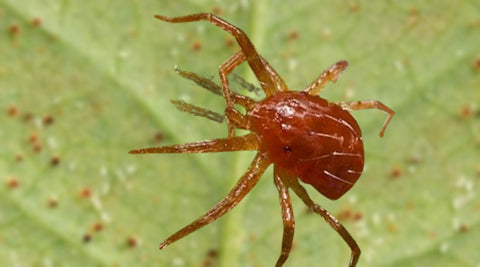
The pests and diseases in marijuana, like spider mites, pose a significant challenge to growers, demanding careful strategies to protect and maintain the health of their plants. When it comes to protecting our valuable cannabis crops, understanding how to kill spider mite eggs is crucial. This small but formidable pest, scientifically known as Tetranychus urticae, can wreak havoc on cannabis plants if left uncontrolled. The spider mite is a mite that feeds on the cellular contents of plants, leaving behind damaged leaves and a weakened plant.
Most alarming is how quickly an infestation can occur. A single female spider mite can lay up to 20 eggs a day, and these can hatch in just three days. Therefore, it is essential to focus on spider mite eggs to prevent a large-scale infestation.
Attacking the problem at its source, eliminating spider mite eggs before they hatch, is a key strategy. By doing so, we are not only controlling the current mite population, but also preventing future generations. This proactive approach is essential to maintaining the health and vitality of our cannabis plants, ensuring a successful, quality harvest.

Identification of Red Spider Eggs in Cannabis Plants
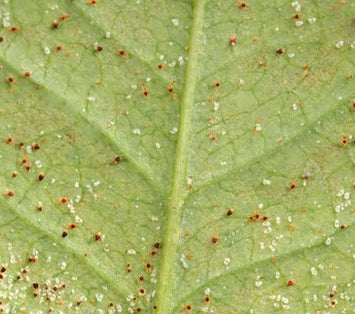
To effectively combat red spider eggs in your cannabis crops, the first step is to learn to identify them correctly. Spider mite eggs are microscopic, making them difficult to detect with the naked eye. However, with a magnifying glass or handheld microscope, you can see these small translucent or whitish ovals attached to the underside of cannabis leaves.
In addition to the direct visualization of eggs, there are several common signs of infestation that may indicate its presence. One of the most obvious is the appearance of small yellow or pale spots on the leaves, the result of feeding by adult mites and nymphs. Another key indicator is the presence of fine spider webs on the tips of the plants and between the leaves. These webs protect the mites and their eggs from predators and adverse conditions, and their presence is a clear alarm signal.
When examining your plants, pay special attention to any changes in their vigor or overall appearance. Leaves that become brittle, dry, or begin to curl may be symptoms of an advanced infestation. Since spider mites prefer warm, dry environments, the most affected shoots are usually those exposed to these conditions.
Early recognition of these signs is essential to intervene effectively and prevent red spider eggs from hatching, triggering a complete infestation in your cannabis crop.
How to Prevent the Appearance of Red Spider
Prevention is the best strategy to keep spider mites at bay and protect your cannabis crops. Implementing proper growing practices and effective environmental control can make a big difference in preventing these pests.
- Maintain a Clean Growing Environment: Hygiene is crucial. Regularly clean your growing area, including equipment, tools and surfaces. Remove dead or diseased plants, as they can be a breeding ground for spider mites.
- Humidity and Temperature Control: Spider mites thrive in warm, dry conditions. Maintaining a higher relative humidity (around 60-70%) can discourage their appearance. Also, avoid too high temperatures in your grow room.
- Adequate Ventilation: Good air circulation helps prevent the stagnant environment that favors these mites. Use fans to keep air moving and reduce hot spots in the room.
- Regular Plant Inspection: Check your cannabis plants frequently, paying special attention to the underside of the leaves. Spotting signs of infestation early can prevent its spread.
- Use of Physical Barriers: Using mesh or filters can prevent mites from entering your growing area from the outside.
- Crop Rotation and Diversification: Rotating crops and introducing companion plants can help deter pests, including spider mites, from establishing themselves.
- Natural Preventive Treatments: Regularly applying essential oils or natural extracts such as neem oil can act as a repellent for spider mites.
- Biological Control: Introducing natural predators of spider mites, such as predatory mites or ladybugs, can be an effective and organic way to control their population.
Chemical Control: When and How to Use It
Although organic and natural methods are preferred by many cannabis growers, in certain situations, chemical control may be necessary to effectively combat spider mite eggs. Here I will explain when and how to use specific insecticides for this pest, as well as the precautions you should take into account.
When to Use Chemical Insecticides
The use of chemical control in cannabis cultivation to combat spider mites, especially their eggs, should be carefully considered. Below are the specific situations in which chemical control becomes a viable option:
- Severe infestations: Apply chemical control when organic and physical methods have been insufficient to control a severe spider mite infestation. This is usually necessary when non-chemical measures have failed to significantly reduce the pest population.
- Rapid Propagation: Chemical control is recommended if you notice a rapid expansion of the infestation in your crop. This includes a noticeable increase in the number of eggs and the presence of spider mites on various plants or areas of the crop.
- Advanced Pest Life Cycle: In advanced stages of the spider mite life cycle, where non-chemical methods may be less effective, chemical control may be necessary. This is because at these stages, the pest population may have developed resistance to certain organic or physical controls, or may be causing irreparable damage to the plants.
In these situations, chemical control can be a crucial tool to safeguard your cannabis crop. However, it is essential to use these products with caution, following the manufacturer's instructions and local regulations, to minimize health and environmental risks.
Specific insecticides to combat
On the website of Grow Industry, several specific insecticides are offered to combat pests such as red spider in cannabis crops. Some of these products are:
- Xtrem Concentrated Insecticide: A powerful insecticide that is applied diluted in water. It is effective against mites and other pests.
- Neemex Natural Insecticide: Based on neem oil, it is an effective organic treatment against several types of pests, including red spiders.
- Spruzit Insecticide: A versatile product that effectively combats mites and other insects.
- Bio Stop Compo Insecticide: Suitable for home gardening use, this insecticide combats a variety of pests.
How to Use Chemical Control against Spider Spider Eggs
To effectively and safely use chemical control against spider mite eggs in cannabis plantations, follow these steps:
- Product Selection: Choose specific acaricides effective against spider mite eggs, carefully following the manufacturer's instructions.
- Personal Protective Equipment: Wear gloves, glasses and masks to protect yourself during application.
- Targeted Application: Apply directly to the affected areas, preferably during the coolest hours of the day or at sunset.
- Proper Dosage: Adjust the amount of the product according to the manufacturer's recommendations to avoid damage to plants and pest resistance.
- Product Rotation: Alternate between different types of acaricides to prevent the development of resistance in the red spider population.
- Post-Application Monitoring: Check plants regularly after application to evaluate the effectiveness of the treatment and watch for any signs of damage or stress.
- Environmental Considerations: Take measures to avoid contamination of soil and water sources, and consider the impact on beneficial insects and biodiversity.
By following these steps, you can apply chemical control responsibly and effectively, minimizing the risks to your plants, the environment and your health.
Additional Considerations
- Resistance: Continued use of the same insecticide can lead to the development of resistance in red spiders.
- Environmental Impact: Consider the environmental and beneficial insect impact when choosing a chemical product.
Organic and Natural Treatments against Red Spider
Using organic and natural treatments is an effective and safe strategy to combat red spider eggs in cannabis plants. These methods are environmentally friendly and protect plant health and crop quality. Below are some recommended methods:
- Garlic or Chili Extract: Steep garlic or hot peppers in water for several days, filter and dilute the mixture before spraying on plants.
- Herbal Infusions: Make a strong infusion with herbs such as thyme, rosemary or lavender, and use to spray your plants regularly.
- Insecticide Soap: Mix a mild biodegradable soap with water and spray directly on affected areas.
- Control with water: Spray regularly with water to dislodge mites and eggs, and dry the plants well afterwards to avoid humidity problems.
These methods are effective in eliminating spider mite eggs and can be applied regularly as part of an integrated pest management program for your cannabis crop.
Practical Tips for Successful Elimination of Red Spider Pest in Cannabis Plants
Early Identification: Learn to recognize the signs of spider mites, such as small spots or webs on leaves.
- Isolation of Affected Plants: If possible, isolate infected plants to prevent spread to other areas of the crop.
- Environmental Control: Maintain adequate humidity, since a dry environment favors the proliferation of red spiders.
- Rigorous Cleaning: Regularly clean the growing area, including surfaces and tools, to reduce the possibility of infestation.
- Use of Pressurized Water: A regular spray with pressurized water can help dislodge and physically remove spiders and their eggs from plants.
- Biological Control: Consider the use of natural predators such as predatory mites, which can be effective in controlling spider mites.
- Careful Use of Acaricides: If you opt for chemical acaricides, use them with caution and following the manufacturer's instructions. Alternate products to avoid resistance.
- Continuous Monitoring: After any treatment, continue to monitor your plants regularly for any signs of reappearance.
- Stress Reduction for Plants: Make sure your plants are well nourished and in an optimal environment to reduce their susceptibility to pests.
- Treatment Documentation: Keep a record of the treatments applied and their results to adjust future control strategies.
These practical tips will help you effectively tackle spider mite infestation on your cannabis plants, improving the chances of successful removal and maintaining the health of your crop.


